How to Add More Circuits for Modern Appliances
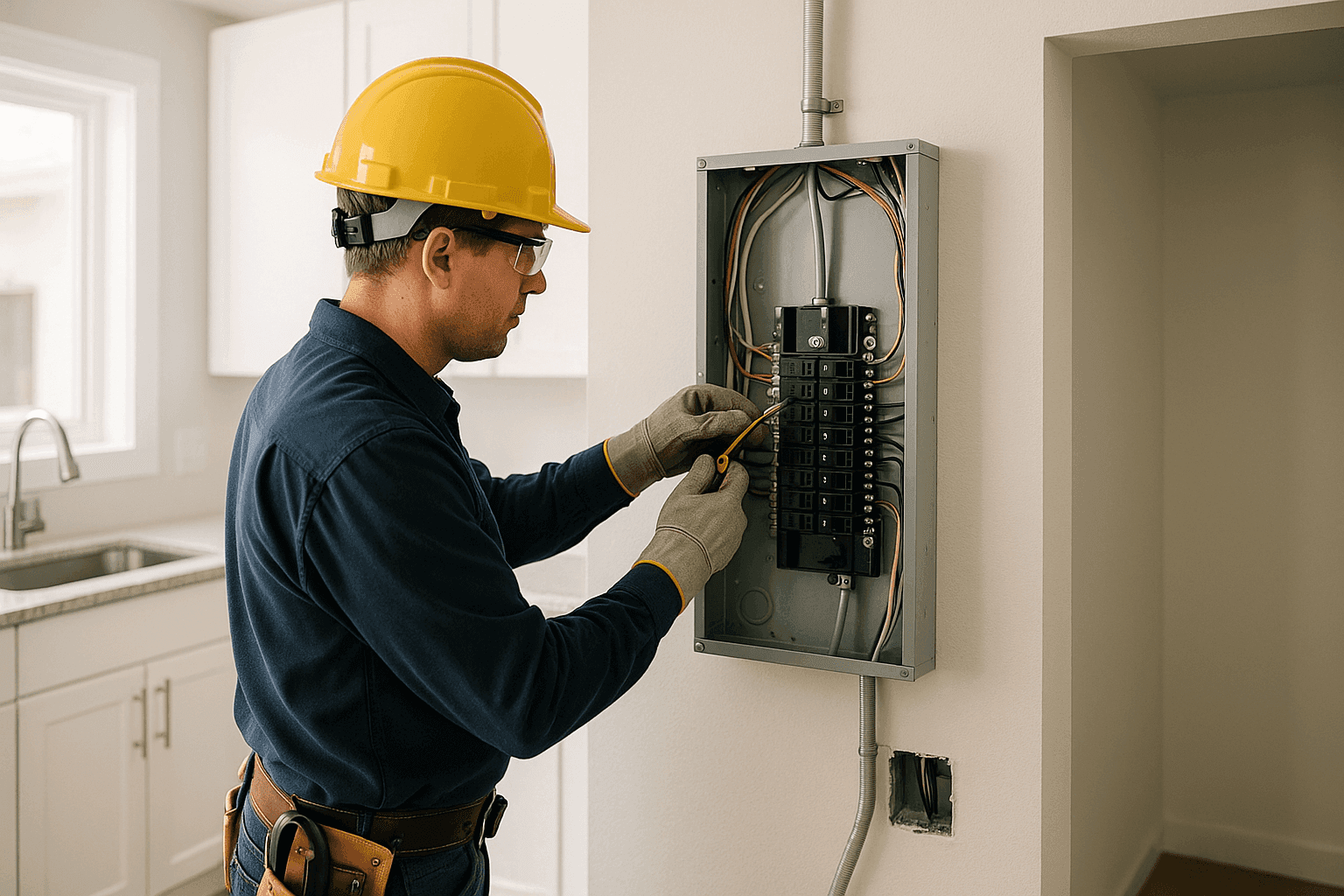
Is your home ready for that new double-door fridge or the latest high-speed washer? Modern appliances run hungry. They gobble up more electricity than ever before. If your lights flicker or breakers trip, your home’s electrical system might be crying out for help.
At Heintz Electric, we help homeowners prepare for today’s demanding gadgets—safely and smoothly. Here’s what you need to know about adding more circuits for your modern appliances.
What is a Dedicated Circuit? ⚡
Think of your electrical system like a busy highway. Now imagine every car is a major appliance. If too many cars crowd the same lane, everything slows down—and accidents happen.
A dedicated circuit is like giving each big appliance its own lane. It’s a separate path from your breaker panel directly to one device, such as your microwave, air conditioner, or EV charger. This keeps them from sharing power with other outlets, reducing the risk of overheating, tripped breakers, or even fire.
The National Electrical Code (NEC) and local guidelines recommend dedicated circuits for high-powered appliances. Examples include:
- Refrigerators and freezers
- Electric ovens and ranges
- Washers and dryers
- Dishwashers
- Microwaves
- HVAC systems
- EV chargers
Without dedicated circuits, your appliances can “fight” for power—leading to poor performance, damaged equipment, and safety hazards.
When to Add Circuits
Wondering if your home needs more circuits? Here are key times to consider calling an electrician:
- Installing New Appliances: Newer machines are more powerful than their predecessors. That sleek induction cooktop may need its own circuit.
- Home Renovations: Remodeling the kitchen, bathroom, or adding a home office? Plan for extra circuits.
- Frequent Breaker Trips: If your breaker trips when the toaster and microwave run at once, it’s a sign your circuits are overloaded.
- Upgrading to Smart Devices: Home automation, security systems, and smart home hubs may require dedicated wiring.
- Adding Power-Hungry Features: Think hot tubs, pool pumps, or backup generators—all need separate circuits for safety.
Not sure if you need more? Ask yourself: Do appliances ever “compete” for power? If yes, it’s time to upgrade.
Quick Safety Checklist Before You Plug In
Safety first—always. Before adding new appliances or circuits, review these basics:
- Breaker Panel Capacity: Is your panel full, or is there room to add more breakers?
- Wiring Condition: Outdated or damaged wiring can’t handle modern electrical loads.
- Proper Outlets: Grounded, three-prong outlets are essential for today’s appliances.
- Smoke & Carbon Monoxide Detectors: Ensure these are working and up-to-date.
When in doubt, consult a licensed electrician. Never ignore signs like buzzing outlets, warm wall plates, or a burning smell—these are red flags.
Why Modern Appliances Demand More Power
Decades ago, a home’s electrical system was built for a different era. Today’s appliances are high-tech and power-thirsty. Even “energy-efficient” models often require dedicated circuits because of sensitive electronics and startup surges.
For example, refrigerators cycle on and off, drawing bursts of electricity. A single microwave can demand as much power as several old lamps combined. And with the rise of smart home tech, the pressure on your panel only grows.
Code Requirements & Safety Standards
Electrical safety isn’t just a good idea—it’s the law. The National Electrical Code (NEC) sets the baseline for safe installations. Most local codes follow or even exceed these rules.
Key requirements include:
- Proper Sizing: Circuits must be sized for the appliance’s demand (measured in amps).
- GFCI & AFCI Protection: Kitchens, bathrooms, and laundry rooms often require special breakers to prevent shock or fire.
- Permit & Inspection: Many upgrades need a permit and must pass inspection. This protects your home and insurance coverage.
Following code isn’t optional. It’s what keeps your home—and everyone inside—safe.
Professional Installation: Why It Matters 🛠️
Wiring a new circuit isn’t like swapping a lightbulb. It’s more like surgery for your home’s veins and arteries. A professional electrician will:
- Assess your panel’s capacity and overall system health
- Plan the shortest, safest routing for new wiring
- Size the circuit correctly for your appliance
- Install the right outlets, breakers, and safety devices
- Secure the necessary permits and schedule inspections
Attempting this as a DIY project can lead to code violations, safety hazards, or even voided appliance warranties. At Heintz Electric, our licensed team provides Wiring & Circuits that meets every code and safety standard.
Planning for New Appliance Purchases
Shopping for a new appliance? Don’t just measure for fit—plan for power. Here’s how:
- Check Appliance Specs: Look for voltage, amperage, and dedicated circuit requirements.
- Ask About Installation Needs: Some appliances require hardwiring, not just plugging in.
- Budget for Electrical Work: Factor circuit upgrades into your project cost.
- Schedule Installation: Coordinate delivery with an electrician visit for seamless setup.
Pro tip: Keep a running list of all major appliances and their power needs. This helps your electrician design the right system from the start.
Common Mistakes to Avoid
Homeowners often make these blunders:
- Overloading existing circuits (“just one more device”)
- Using extension cords as permanent solutions
- Ignoring buzzing, hot, or sparking outlets
- Forgetting to upgrade the breaker panel when adding circuits
Play it safe. Address these issues early to avoid costly repairs later.
Timeline & What to Expect During Installation
Adding a dedicated circuit usually takes a few hours to a full day, depending on the complexity. Here’s a typical process:
- Assessment: Electrician inspects your panel and maps out wiring paths.
- Shutoff: Power is turned off for safety.
- Wiring: New wires are run from the panel to the appliance location.
- Installation: Breaker and outlets are installed and tested.
- Inspection: Work is inspected for code compliance.
You may need to move furniture or clear pathways for the electrician. Expect some noise and brief power outages.
Prevention & Maintenance Tips
Once new circuits are installed, keep your system healthy:
- Schedule periodic electrical safety inspections
- Test smoke and carbon monoxide detectors monthly
- Watch for breaker trips or unusual appliance behavior
- Avoid “daisy-chaining” power strips or extension cords
Consider an annual checkup with Heintz Electric. It’s like a wellness visit for your home.
Signs You Need Immediate Help
Some electrical issues can’t wait:
- Repeated breaker trips—especially on newly installed circuits
- Outlets that are hot, scorched, or emit burning smells
- Flickering lights when appliances turn on
- Sparking when plugging in devices
If you spot any of these, call for emergency service right away. Electrical fires move fast.
DIY vs. Calling a Pro
A few home projects are safe for DIY. Adding circuits isn’t one of them. Mistakes can be invisible but dangerous—think hidden wire damage, overloaded panels, or improper grounding. A licensed electrician company will bring peace of mind and code compliance.
Costs & Budgeting Factors
Costs can vary based on the number of circuits, wiring length, and panel upgrades. Expect to pay more for:
- Older homes with hard-to-access wiring
- Long runs from panel to appliance
- Upgrading main service panels
Ask your electrician for a detailed estimate. Remember, cutting corners with electrical work can cost much more in the long run.
Upgrading During Renovations
If you’re remodeling, it’s the perfect time to upgrade wiring and add circuits. Tearing into walls? Future-proof your home by planning for extra circuits, smart switches, and data cabling. You’ll thank yourself when tech needs grow.
For more details on home upgrades, see our Appliances page.
Frequently Asked Questions
How do I know if I need a dedicated circuit?
If your appliance installation manual recommends it, or if you experience frequent breaker trips, it’s wise to install one.
Are permits really necessary?
Yes. Permits and inspections protect your safety and are often required for insurance coverage.
Can I add circuits myself?
It’s strongly recommended to hire a qualified electrician. Electrical work done incorrectly is risky and often violates code.
What about older homes?
Older wiring may not support additional circuits. A full assessment is needed before upgrades.
Seasonal Considerations
Adding a pool, hot tub, or outdoor kitchen this summer? Planning a home office for winter? Each season brings unique power needs. Always plan ahead to avoid rushed or unsafe installations.
Find an Electrician Company That Cares
Whether you’re planning a kitchen makeover or just want to run your new dryer without tripping a breaker, Heintz Electric is here to help. From initial planning to safe, code-compliant installation, our team is ready.
If you’re in the area and searching for an electrician, we’re just a call away.
Call Heintz Electric now — or reach us anytime at 877-315-8745 .