How to Choose the Right Generator for Your Home
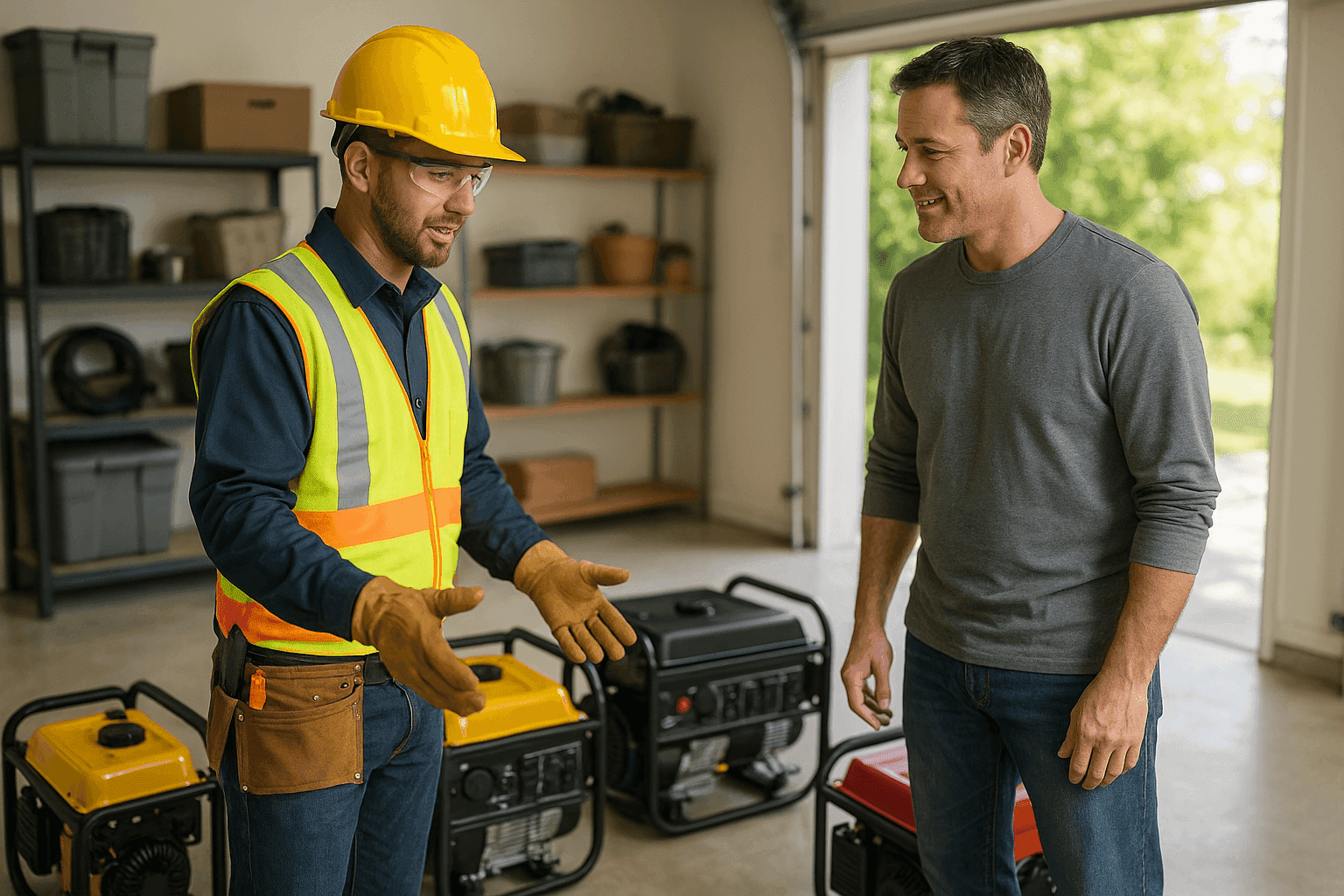
When the lights go out, your home can feel like a ship lost at sea. Power failures never come at a good time. Whether it’s a summer storm or a winter freeze, every homeowner eventually faces the question—should I get a generator? And if so, how do I pick the right one?
At Heintz Electric, we’re here to help you make sense of your options and avoid common pitfalls. Choosing a generator isn’t just about buying a machine—it’s about protecting your family, your comfort, and your peace of mind.
Types of Home Generators ⚡
Not all generators are created equal. Before you even think about brands or price tags, understand the main types available:
- Portable Generators: These are the “grab-and-go” models. Great for occasional power needs, camping, or running a handful of essentials during an outage. They run on gasoline or propane, but must be set up and started manually.
- Standby Generators: The ultimate peace-of-mind solution. Permanently installed outside your home, they kick in automatically when the power drops. These connect directly to your home’s electrical panel and usually run on natural gas or propane.
- Inverter Generators: Think of these as the tech-savvy cousin—quieter, more fuel-efficient, and able to provide “clean” power for sensitive electronics.
Choosing between them depends on your budget, how much power you need, and how hands-off you want to be when the power goes out.
Sizing Your Generator: How Much Power Do You Really Need?
Imagine trying to fill a swimming pool with a garden hose. If your generator is too small, it’ll leave you stranded when you need power most.
Start with a list:
- What do you absolutely need powered during an outage? Refrigerator? Furnace? Sump pump? Medical equipment?
- Add up the wattage for each item. Most appliances have this listed on a sticker or in their manual.
- Add a buffer—starting up motors (like your fridge or AC) draws more power than running them.
As a rule of thumb:
- Portable generators: Typically cover 2,000–7,500 watts. Enough for a few essentials.
- Standby generators: Range from 7,500 up to 20,000+ watts. These can power most or all of your home.
A professional electrician can help you calculate exactly what’s right for your home—don’t guess. Oversizing wastes money; undersizing leaves you in the dark.
Installation Considerations: Beyond Plug and Play
Installing a generator isn’t like plugging in a toaster. There are real risks if it’s not done by a licensed electrician:
- Location: Generators must be installed outside, away from windows, doors, and vents to prevent dangerous carbon monoxide buildup.
- Transfer Switch: For standby models, a transfer switch is required by code. This safely connects your generator to your home’s wiring and prevents backfeeding, which can endanger utility workers.
- Permits & Inspections: Most municipalities require permits and inspections for generator installation. Electrical codes (like the National Electrical Code, NEC) are there for your safety.
- Noise & Neighbors: Some generators are noisier than others. Check local noise ordinances and placement rules.
A professional assessment ensures your new generator is safe and up to code.
Quick Safety Checklist
Before you fire up any generator, run through this quick list:
- Never run a generator indoors or in a garage.
- Keep dry—don’t operate in wet conditions.
- Use heavy-duty, outdoor-rated extension cords.
- Never plug a generator directly into a wall outlet (this can cause “backfeeding”).
- Regularly test your generator—don’t wait for an emergency.
For more on safety, the U.S. Consumer Product Safety Commission offers detailed guidelines.
DIY vs. Call a Pro
While it’s tempting to save money with DIY, generator installation involves wiring, fuel connections, and code compliance. Even a small mistake can be costly—or dangerous. At Heintz Electric, we recommend always involving a licensed electrician for installation and electrical system design.
What the Pros Do On Arrival
Expect a thorough process:
- Assessment of your home’s electrical load.
- Evaluation of safe placement and fuel sources.
- Recommendations for the right generator size and model.
- Installation of transfer switches and wiring.
- Final safety checks and demonstration.
We take care of the details so you can rest easy.
Prevention & Maintenance: Keeping Your Generator Ready
A generator is like a car parked in your garage—use it rarely, neglect maintenance, and it won’t start when you need it most.
Tips for reliability:
- Run your generator monthly for 10–20 minutes.
- Change oil and filters per the manufacturer’s schedule.
- Test your transfer switch and backup systems.
- Store fuel safely and only use fresh supplies.
Many models come with maintenance reminders. Some even connect to your home automation system for alerts.
Costs & Time Factors
Costs can vary widely:
- Portable units: $500–$2,500, depending on size and features.
- Standby units: $3,000–$12,000 or more, including installation.
Installation can take a day or two. Permitting may add time—plan ahead if you want to be ready before storm season.
When It’s an Emergency
If you lose power and don’t have a generator, safety first. Unplug sensitive electronics to protect them from surges. Use battery-powered lights. If you rely on medical equipment, have an emergency plan and consider a backup generator as soon as possible.
Common Mistakes Homeowners Make
- Underestimating power needs.
- Ignoring maintenance schedules.
- Improper installation or skipping permits.
- Storing fuel unsafely.
- Letting a generator sit unused for months.
Avoid these, and your generator will be ready when you need it most.
Signs of Trouble
Watch for:
- Difficulty starting
- Unusual noises or vibrations
- Burning smells or smoke
- Fuel leaks
If you notice any of these, shut down your generator and call an electrician immediately.
Timeline & Disruption: What to Expect
Standby generator installation can be invasive. Expect some digging, electrical work, and a brief loss of power as systems are switched over. Portable units are less disruptive but require manual setup during each outage.
Materials & Equipment You’ll Need
- Generator (portable or standby)
- Transfer switch (for standby)
- Fuel supply (propane, natural gas, or gasoline)
- Heavy-duty extension cords (for portable units)
- Fresh oil and filters for maintenance
Discuss these with your installer before purchase.
Frequently Asked Questions
How do I know what size generator I need?
Start with a load calculation of your essentials. If you’re unsure, ask an electrician for a professional assessment.
Can I use my generator for everything in my home?
Only if it’s sized for your entire electrical load. Many homeowners choose to power just the essentials to save on cost.
How often should my generator be serviced?
Follow the manufacturer’s schedule—usually annual maintenance, or more often if you use it frequently.
Are there incentives or rebates for generator installation?
Occasionally, yes—check your local utility and government programs.
Seasonal Considerations: Be Prepared Year-Round
Storms hit hardest when you’re least ready. Schedule installation and maintenance before hurricane season, winter storms, or periods of high demand.
The Importance of Professional Assessment
A licensed electrician does more than “hook up wires.” We assess your home’s wiring, electrical panel, and circuits. We ensure code compliance, safe operation, and that your investment is protected for years to come. If you’re searching for "Electrical System Installation near you" or reliable generator solutions, experience matters. For those in New Mexico, you’ll find our electrician services tailored for your needs.
Maintenance and Warranty Options
Don’t overlook the fine print. Many standby generators offer extended warranties for parts and labor. Regular professional maintenance protects your warranty and ensures your system is always ready.
For more information, check guidelines from the National Electrical Code (NEC) and your generator’s manufacturer.
Ready to Power Up Your Home?
Choosing a generator is a big step, but it doesn’t have to be overwhelming. With help from Heintz Electric, you’ll make the right choice for your family’s safety and comfort. Want to discuss your options or schedule a professional assessment?
Call Heintz Electric now — or reach us anytime at 877-315-8745 .