How to Avoid Common Electrical Code Violations in Home Projects
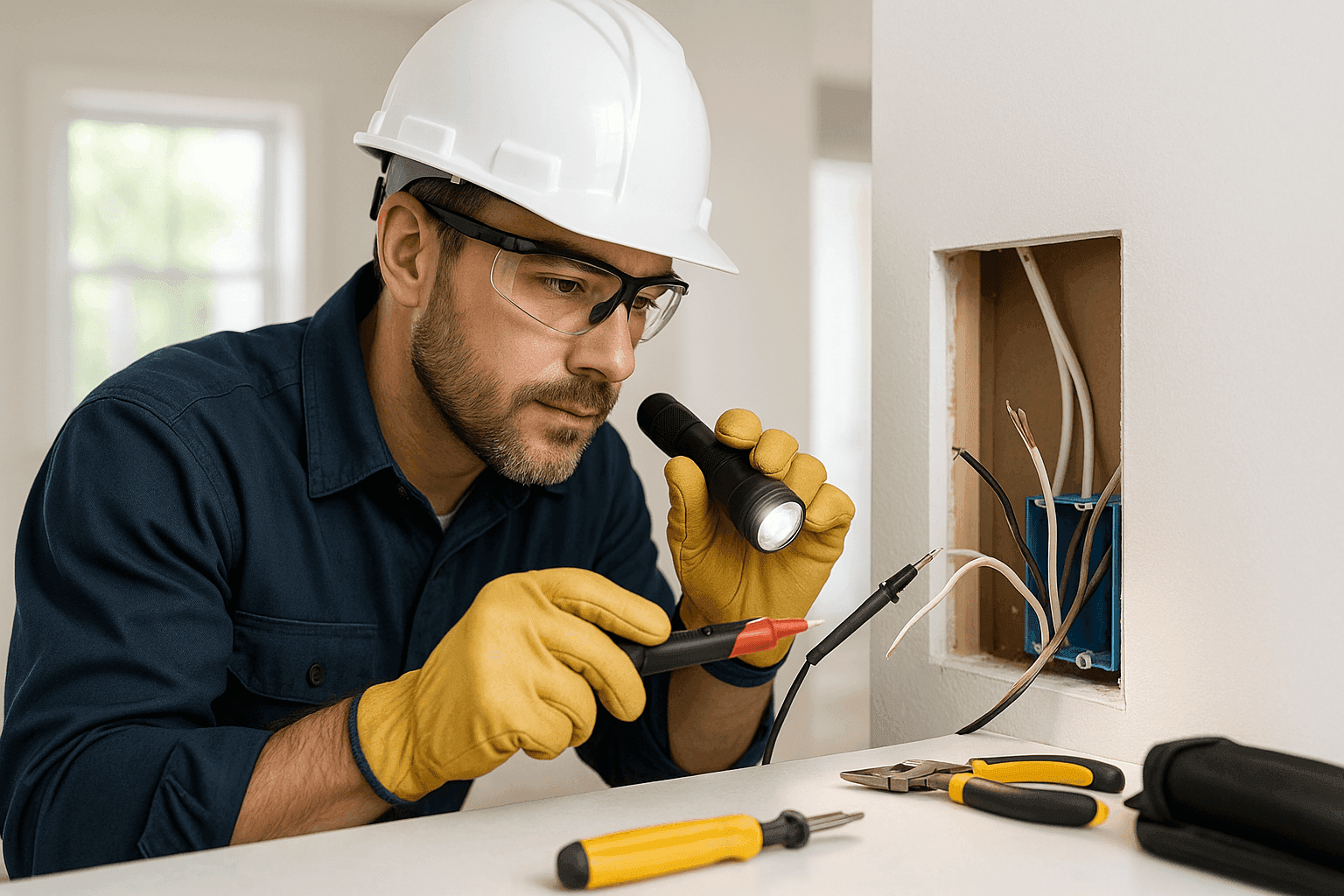
Every home project starts with a vision—brighter lights in the kitchen, a new outlet for the garage, or maybe that ambitious home office setup. But behind every switch and socket lurks an invisible risk: electrical code violations.
At Heintz Electric, we’ve seen how small mistakes can snowball into major hazards. If you’re tackling DIY electrical work, or just living in an older house, knowing what to watch for can mean the difference between safety and costly repairs.
Top Violations in Residential Electrical Projects ⚡
Electrical codes are not just suggestions—they’re the rules that keep you and your family safe. The National Electrical Code (NEC) sets the standard, and local building departments enforce it. Here are the most common slip-ups we see in homes:
1. Overfilled Electrical Boxes
Think of your wall box like a suitcase. Overstuff it, and everything gets tangled and jammed. Too many wires in a single box can cause overheating or dangerous arcing. Each box size is rated for a maximum number of wires—ignore that, and you risk a fire.
2. Missing or Improper GFCI Protection
Ground Fault Circuit Interrupters (GFCIs) are the lifeguards of the electrical world. They cut power the instant they sense a shock risk. Bathrooms, kitchens, garages, laundry rooms—all need GFCI outlets by law, per the NEC. Skipping them, or wiring them wrong, puts everyone in danger.
3. Improper Wire Connections
Loose connections are like shaky ladders—they might work for a while, but eventually, they’ll fail. Twisted wires without wire nuts, or mismatched wire sizes, lead to heat and sometimes sparks behind your walls.
4. Unprotected or Unsupported Cables
Electrical cables should never dangle like vines. If left unsupported, they can get pinched, frayed, or chewed by pests. The NEC requires cables to be properly stapled and protected from physical damage.
5. No Electrical Boxes for Connections
All wire splices and terminations must be enclosed in approved electrical boxes—never buried in walls or ceilings. Exposed connections are an open invitation for fire.
6. Missing or Faulty Arc Fault Circuit Interrupters (AFCIs)
AFCIs are designed to prevent electrical fires by detecting arcing faults. Most bedrooms and living spaces need these breakers. Skipping them, or installing them incorrectly, is a common oversight.
7. Lack of Smoke & Carbon Monoxide Detectors
Detectors save lives. Missing, outdated, or improperly placed detectors are a frequent code violation—one that can have tragic consequences.
8. Using the Wrong Circuit Breaker Size
Too big, and your breaker won’t trip when it should. Too small, and you’ll be resetting it constantly. Always match the breaker’s size to the wire gauge and intended load.
9. Unsafe Rewiring and Backstabbing Outlets
Jamming wires into the “backstab” holes of outlets is quick, but it’s a shortcut that often leads to loose connections and heat buildup.
10. Installing Outlets or Switches Too Close to Water
Both NEC and common sense require outlets to be a safe distance from tubs, sinks, and showers. Wet hands and electricity don’t mix.
How to Avoid Electrical Code Violations
The solution isn’t always “don’t try”—it’s “do it right.” Here’s how you can keep your project on the safe side of the codebook:
Know the Code Before You Start
Before picking up a screwdriver, read up on the National Electrical Code (NEC) or your local code amendments. Building departments and the National Fire Protection Association (NFPA) publish guidelines for homeowners. Don’t guess—double-check requirements.
Plan Your Project Carefully
Sketch out what you want to accomplish. List every outlet, switch, fixture, and appliance. Figure out where you need GFCIs, AFCIs, and proper box sizes.
Use the Right Materials
“Good enough” doesn’t cut it with electrical work. Always use UL-listed components. Match wire gauge to breaker size, and never mix aluminum and copper without proper connectors.
Don’t Overfill Boxes
Count the wires, devices, and clamps going into a box. The NEC tells you how much each box can safely hold. If in doubt, use a larger box.
Install GFCIs and AFCIs Where Required
Bathrooms, kitchens, garages, and outdoor spaces need GFCIs. Bedrooms and living spaces need AFCIs. Test them monthly using the “test” button.
Support and Protect All Wiring
Staple cables every 4–1/2 feet, and within 12 inches of boxes. Use conduit or running boards where wires might be exposed to damage.
Enclose All Wire Connections
Never make splices outside of a box. Always use approved wire nuts or connectors, and close every box with a cover plate.
Check for Proper Detector Placement
Install smoke detectors in every sleeping area, and on each level of your home. Carbon monoxide detectors should be outside sleeping areas and near fuel-burning appliances.
Call a Professional for Major Work
Some jobs—panel upgrades, whole-house rewiring, or machine wiring—require a licensed electrician. If you’re not sure, it’s better to be safe. Search for "Electrical System Installation near you" and look for certified, insured professionals.
Pro Inspection Benefits: Why Certified Eyes Matter 🛡️
You can follow every how-to video and still miss something critical. That’s why a certified inspection isn’t just a box to check—it’s real peace of mind.
What Happens During an Electrical Safety Inspection?
- Visual review: A pro checks every outlet, switch, panel, and visible cable for signs of wear or code issues.
- Testing: Specialized tools check for bad connections, overloaded circuits, and faulty safety devices.
- Documentation: You’ll get a detailed report—sometimes needed for insurance or home sales.
- Action plan: If problems are found, you’ll know exactly what needs fixing and why.
Read more about our Electrical Safety Inspections or how we help with Certificates for code compliance.
Why “Certified” Work Is Safer
Certified electricians are trained to the latest codes and safety standards. They’re required to stay up to date by law. When you hire a pro, you’re getting work that’s built to last—and you’ll get the paperwork to prove it.
Quick Safety Checklist for Homeowners
- Test all GFCI and AFCI outlets monthly.
- Check that every wire connection is enclosed in a box.
- Make sure smoke and CO detectors are working.
- Never run extension cords as permanent wiring.
- Don’t ignore flickering lights, buzzing outlets, or tripped breakers.
DIY or Call the Pros?
Some tasks, like replacing a light fixture or swapping out a standard outlet, can be DIY-friendly if you’re careful. But if you’re unsure, or if the project involves your main panel, complex circuits, or new installations, call an electrician.
For those in the area needing reliable electrician services, our team at Heintz Electric is just a call away. Find out more about our work as a trusted electrician company in North Charleston.
When It’s an Emergency
If you ever smell burning, see sparks, or lose power to part of your home, don’t wait. Shut off the main breaker. Call for emergency service right away. Electrical fires move fast—seconds count.
Seasonal and Maintenance Tips
- Before winter: Check outdoor outlets and extension cords for wear.
- Spring cleaning: Test all detectors and reset GFCIs.
- Summer projects: Don’t overload circuits with new appliances or AC units.
- Year-round: Schedule an inspection every 3–5 years, or before buying/selling a home.
Signs of Trouble You Shouldn’t Ignore
- Flickering or dimming lights
- Burning smell from outlets or switches
- Warm switch plates or outlet covers
- Breakers that trip repeatedly
- Outlets that don’t work or are loose
If you spot any of these, it’s time to bring in a certified professional.
Timeline & Disruption: What to Expect
Most inspections and minor fixes can be done in a single visit. Larger jobs—like rewiring or panel upgrades—may take a day or more. Your electrician will explain the process and help minimize disruption to your home.
FAQ: Common Electrical Code Questions
Q: Can I add outlets myself?
A: Sometimes, but you must follow code—and local permits may be required.
Q: How often do codes change?
A: The NEC is updated every three years. Local codes may update more frequently.
Q: Why do I need Certificates for electrical work?
A: Certificates prove your work meets safety and code standards—important for insurance, sales, or peace of mind.
Final Thoughts: Make Safety the Priority
Electrical work is like a puzzle—every piece must fit perfectly, or the whole picture is at risk. Don’t settle for shortcuts or guesswork. Certified inspections, quality materials, and up-to-date code knowledge will keep your home safe and your mind at ease.
Call Heintz Electric now — or reach us anytime at 877-315-8745 .