Backup Generator Maintenance: Keep Your Power Reliable
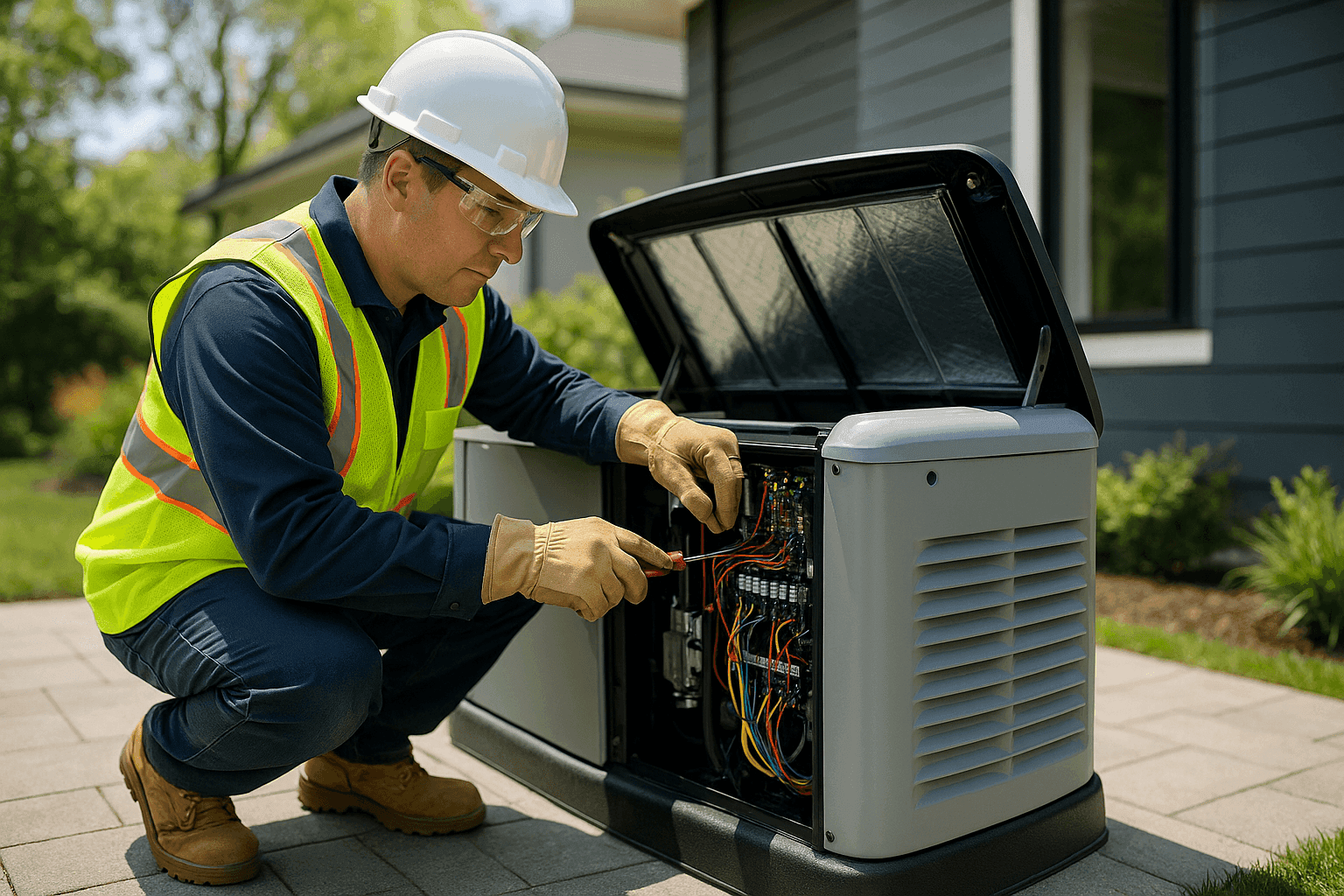
When a storm hits or the grid fails, your backup generator is the silent hero. But like any hero, it needs care to stay ready. No one wants to be left in the dark, especially when the next outage could strike without warning.
At Heintz Electric, we’ve seen too many homeowners caught off guard by a generator that won’t start. Regular maintenance is the key to reliable power—and peace of mind. Let’s break down why it matters, what needs attention, and when it’s time to bring in a certified electrician.
Why Maintenance Matters ⚡
Think of your backup generator as the spare tire in your car. You hope you never need it, but when you do, you count on it working perfectly. Unlike everyday appliances, generators often sit idle for months. Without regular checks, small issues can turn into system failures right when you need power most.
- Safety: A poorly maintained generator can leak fuel, produce dangerous exhaust, or fail in an emergency.
- Reliability: Prevent breakdowns before they happen. Generators that are run and tested regularly last longer and perform better.
- Compliance: Following manufacturer maintenance guidelines keeps your warranty valid and may be required for local code compliance.
- Readiness: Power outages rarely call ahead. Make sure your generator is always prepared to respond.
The National Fire Protection Association (NFPA 110) outlines important standards for emergency and standby power systems. Following these guidelines isn’t just good practice—it’s essential for safety.
Maintenance Checklist: What Every Homeowner Should Know
Keeping your generator in top shape doesn’t require advanced electrical knowledge. Here’s what you should look for:
- Visual Inspection: Check for leaks, corrosion, or signs of damage.
- Fuel System: Ensure fuel is fresh and tanks are full. Stale fuel can cause startup problems.
- Oil & Coolant Levels: Top off fluids as needed. Low levels can damage the engine.
- Battery: A dead battery is the #1 cause of generator failure. Inspect connections and charge level.
- Air Filter: Clean or replace regularly for proper airflow.
- Test Run: Start the generator once a month. Listen for odd noises, and let it run under load for at least 30 minutes.
- Transfer Switch: Make sure it moves smoothly and engages automatically.
- Exhaust System: Ensure vents are clear and no blockages are present.
- Control Panel: Look for error codes or warning lights.
Record each check in a maintenance log. This helps track issues and satisfies warranty requirements.
The Storm Is Coming: Are You Ready?
Storms and outages don’t wait for a convenient moment. A well-maintained generator is your insurance against spoiled food, cold nights, and lost internet. Before storm season:
- Run a full test and simulate a power outage.
- Stock up on fuel and oil.
- Replace old batteries.
- Clear debris away from the generator’s location.
This small investment of time can save you hours—or even days—of headaches when the lights go out.
DIY or Call an Electrician?
Some maintenance tasks are well within reach for a careful homeowner. But when it comes to electrical system installation near you, safety always comes first.
DIY Tasks:
- Visual inspections
- Checking fluid levels
- Running monthly test cycles
Call an Electrician For:
- Electrical repairs or wiring issues
- Testing transfer switches or load banks
- Replacing parts or making adjustments per manufacturer specs
- Annual comprehensive inspections
Remember, working with high-voltage systems is risky. Heintz Electric’s certified technicians follow all manufacturer guidelines and local codes to keep your system safe and reliable.
What Pros Do On Arrival
When you schedule professional maintenance with our team, here’s what to expect:
- Full system diagnostics
- Load bank testing to simulate real power demand
- Electrical safety inspection per National Electrical Code (NEC) standards
- Fuel, oil, and coolant system checks
- Control panel and sensor review
- Detailed report with recommendations
We also check for software updates on smart generators and test remote monitoring systems.
Prevention Is Cheaper Than Repair
A neglected generator can be expensive to fix—and even more costly if it fails during an emergency. Routine maintenance is like brushing your teeth: a little effort now prevents big problems later.
- Avoid costly emergency repairs
- Extend the life of your generator
- Reduce the risk of fire or carbon monoxide leaks
Common Mistakes Homeowners Make
Mistakes happen. Here are a few to avoid:
- Forgetting to run monthly tests
- Letting fuel go stale
- Ignoring warning lights or error codes
- Blocking exhaust vents with outdoor furniture or debris
- Skipping annual professional inspections
Stay ahead by setting reminders and keeping a maintenance log.
Signs of Trouble: Don’t Ignore These
If you notice any of the following, contact a licensed electrician immediately:
- Generator won’t start or stops unexpectedly
- Visible fuel or oil leaks
- Unusual noises or vibration
- Smoke or strange smells
- Error codes on the control panel
Don’t wait until the next outage—address problems early.
Timeline & Disruption: How Long Does Maintenance Take?
Basic homeowner checks can be done in 15–30 minutes. Professional annual maintenance usually takes 1–2 hours, depending on your system and site access.
You don’t need to turn off main power for most checks. Our team works efficiently to minimize disruption to your day.
Materials & Equipment You’ll Need
For simple checks, keep these on hand:
- Clean rags
- Flashlight
- Basic tool kit
- Fresh fuel and oil (if required)
- Maintenance logbook
Leave specialized tools—like load banks and electrical testers—to the professionals.
Costs & Value: What to Expect
Routine maintenance is an investment in your home’s safety. The cost can vary based on generator size and type, but a well-kept system reduces emergency repair bills and extends your equipment’s life.
Check what your manufacturer recommends—some require annual service by a certified technician to keep warranties valid.
When It’s an Emergency
If your generator fails during an outage, call for immediate help. Our Backup Generators service covers emergency repairs and fast diagnostics.
Never attempt repairs on your own if you’re unsure. High-voltage wiring and fuel systems can be dangerous without the right training.
FAQ: Backup Generator Maintenance
How often should I test my generator? Test monthly and before forecasted storms.
Do I need a professional every year? Yes, most manufacturers and safety codes recommend annual inspections by a certified electrician.
Can I use old fuel? No. Old or contaminated fuel is a common cause of startup failure.
What’s the lifespan of a backup generator? With regular care, 10–30 years—depending on usage and environment.
Seasonal Considerations
- Winter: Check for ice or snow buildup. Keep vents clear.
- Summer: Watch for overheating and ensure airflow.
- Spring/Fall: Schedule your annual professional service during mild weather for best results.
Don’t Wait Until the Lights Go Out
A backup generator is your lifeline during storms and outages. Treat it with care and it will be ready when you need it most. Heintz Electric offers comprehensive maintenance, diagnostics, and repairs—always following the latest safety codes and manufacturer guidelines.
Ready for reliable power, rain or shine?
Call Heintz Electric now — or reach us anytime at 877-315-8745 .