How to Childproof Your Home’s Electrical Outlets & Switches
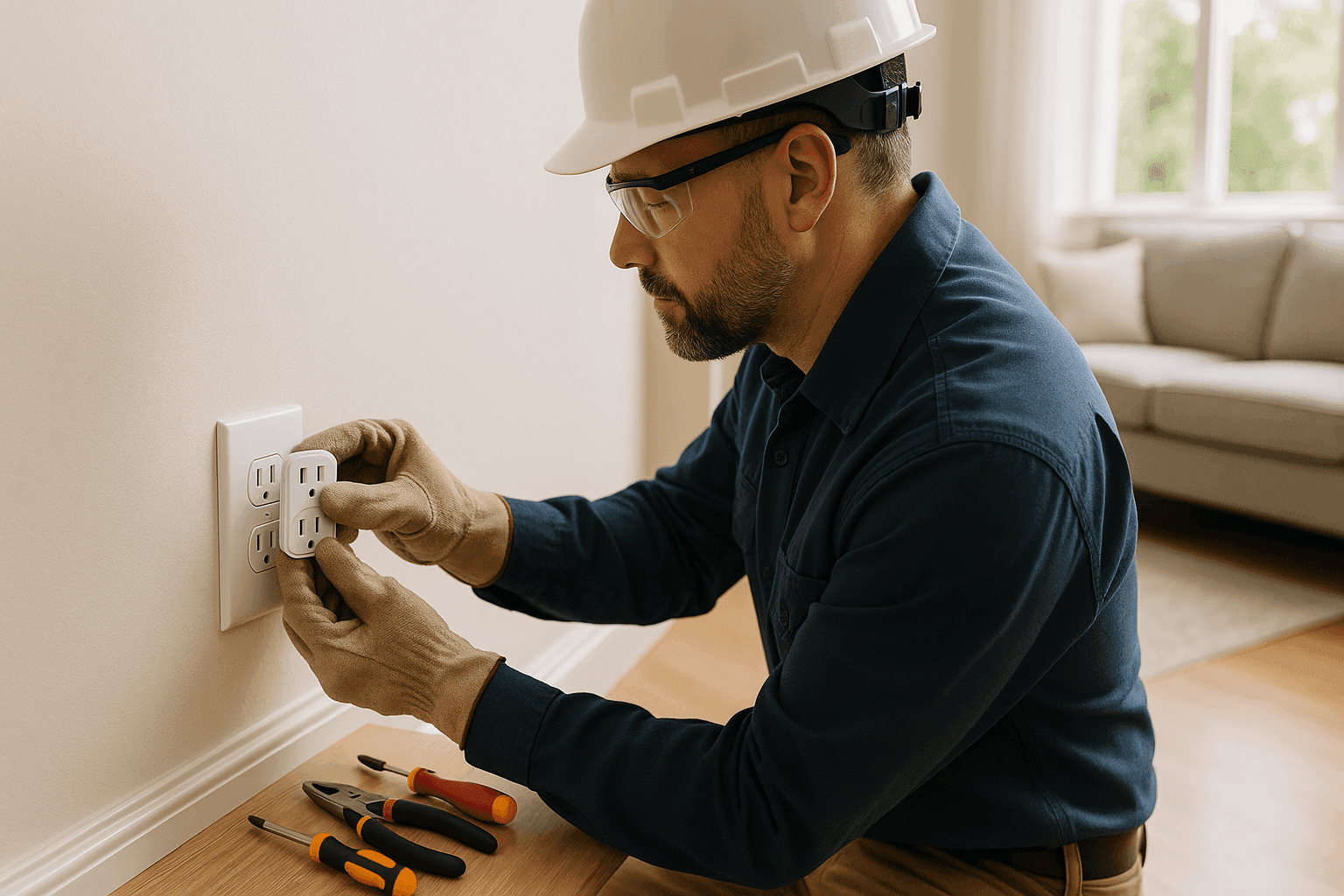
Kids and Outlets: Why Seconds Matter
Every parent knows the feeling. You turn your head for just a moment, and suddenly your little explorer is reaching for something they shouldn’t. Outlets and switches, right at their level, are magnets for curious hands. For a toddler, an uncovered outlet is like a mysterious door—one that can open up to real danger.
At Heintz Electric, we’ve seen how quickly accidents can happen. Our team is dedicated to helping families like yours keep homes safe, up to code, and worry-free.
The Hidden Risks Lurking at Child Height
Uncovered outlets and exposed switches aren’t just unsightly. They’re a silent risk in every room. The U.S. Consumer Product Safety Commission estimates thousands of children each year are treated for shocks and burns after tampering with electrical outlets.
It’s not just about direct shocks. Sometimes, a child inserts a metal object—a paperclip, a fork, even a toy. The result can be burns, fires, or worse. Flipping a switch with wet hands, or near a faulty plate, can also spell trouble.
Quick Safety Checklist: Start Here 🛑
Before you do anything else, walk through your home and check for:
- Outlets without covers, especially low to the ground
- Loose or cracked outlet plates
- Unused outlets in play areas or bedrooms
- Switches that spark or feel loose
- Extension cords within reach of kids
- Unprotected power strips
Make notes as you go. It’s the first step in a safer, child-friendly home.
Three Smart Ways to Childproof Outlets & Switches
You don’t have to wrap your whole house in bubble wrap. These proven methods make a big difference:
1. Outlet Covers
Simple, affordable, and effective. Plastic outlet plugs or box covers block little fingers from reaching the electrical contacts. Look for sturdy, tight-fitting designs—cheap covers can become choking hazards if they pop out easily.
2. Tamper-Resistant Outlets (TR Outlets)
Think of these as built-in bodyguards. Tamper-resistant outlets have spring-loaded shutters inside, only opening for real plugs. The National Electrical Code now requires TR outlets in new and renovated homes—a testament to their reliability.
3. Strategic Placement
When planning renovations or new rooms, talk with your electrician about raising outlet height above standard reach or hiding them behind furniture. Small changes now can prevent big problems later.
DIY Solutions vs. Professional Upgrades
It’s tempting to grab a pack of outlet covers off the shelf and call it good. For some families, that’s a solid start. But not all DIY fixes stand up to daily life—determined toddlers can pry out loose covers, and plug-in protectors may not work with all modern outlets.
A licensed electrician can install tamper-resistant outlets or child-safe switches that meet the latest safety codes. This isn’t just a one-and-done fix; it’s a long-term upgrade, designed to last as your family grows.
What to Expect When a Pro Arrives
When you invite Heintz Electric into your home, here’s what happens:
- A brief walk-through to spot risks and answer your questions
- Recommendations tailored to your home’s layout and your child’s age
- Installation of TR outlets, upgraded switch plates, or custom solutions
- Testing and demonstration—so you know exactly how each new feature works
We never settle for “almost safe.” Our team uses certified, code-compliant products every time.
Code Compliance and Why It Matters
Electrical codes aren’t just red tape. They’re the safety net that keeps your family protected. The National Electrical Code (NEC) now mandates tamper-resistant outlets in most living spaces, especially for new construction and remodels.
Using certified products and professional installation ensures your upgrades are up to code. That means fewer headaches if you sell your home—and more peace of mind right now.
Common Mistakes Parents Make (And How to Avoid Them) ⚡
- Relying only on plastic outlet plugs: These can become toys or choking hazards.
- Overlooking power strips: Kids love buttons and switches—cover or hide all power strips.
- Ignoring wall switches: Faulty, cracked, or loose switches can be just as risky as outlets.
- Skipping rooms: Bedrooms, playrooms, and even hallways need protection.
Double-check every space where your child crawls, plays, or sleeps.
Signs Your Outlets or Switches Need Immediate Attention
- Outlets that feel warm or buzz
- Switches that flicker or spark
- Plates that are cracked, missing screws, or loose
- Outlets that “wiggle” when you plug in a device
If you spot any of these, it’s time to call an electrician before making any other changes.
DIY: What’s Safe, What’s Not
Some tasks are safe for handy parents:
- Installing childproof outlet plugs or box covers
- Moving furniture to block low outlets
- Teaching older children about electrical safety
But leave wiring changes, outlet replacements, and code upgrades to a certified electrician. Mistakes here can lead to hidden hazards behind your walls.
Professional Upgrades: Worth the Investment
Upgrading to tamper-resistant outlets or installing child-safe switches isn’t just about today—it’s about building a safer home for years to come. These solutions are durable, code-approved, and add value to your property.
Pro installations are also fast, typically finished in a few hours with minimal disruption.
When It’s an Emergency
If you ever see smoke, sparks, or melted plastic on any outlet or switch—don’t wait. Turn off the breaker, keep kids away, and call for emergency electrical service immediately. Time is critical.
Maintenance: Keep Safety Top of Mind
- Schedule annual Safety Checks with a licensed electrician.
- Test outlet covers and TR outlets regularly.
- Replace any damaged plates or switch covers right away.
- Teach children never to touch or play with outlets, cords, or switches.
Frequently Asked Questions
Are tamper-resistant outlets required in every home?
For new builds and most renovations, yes. The NEC requires TR outlets in areas accessible to children. Older homes may be grandfathered in but upgrading is highly recommended.
Can I install TR outlets myself?
Replacing outlets involves working with live wires. If you’re not trained, it's safest to contact an electrician—especially for families with young kids.
What’s the difference between TR outlets and regular covers?
TR outlets have built-in shutters that only open for a real plug, while covers are add-ons that can be removed or dislodged.
How often should I check my outlets and switches?
A quick check every few months is smart. Annual professional inspections are best for peace of mind.
Timeline, Costs, and What to Expect
- Outlet covers: Inexpensive, easy to install in minutes.
- TR outlets: Typically a one-day job for a whole house, depending on the number.
- Professional safety checks: Usually under two hours for a standard home.
The safety payoff far outweighs the upfront cost.
Planning for the Future
As your family grows and kids get older, revisit your safety setup. Outlets and switches are just the beginning—consider childproofing appliances, cords, and smart devices too.
If you’re searching for reliable Outlets & Switches upgrades or maintenance, Heintz Electric is always here to help.
Ready to Childproof Your Home? Let’s Talk
Keeping your children safe from electrical hazards is one of the simplest, most important steps you can take. Whether you need advice, an upgrade, or a full safety inspection, Heintz Electric is just a call away.
Call Heintz Electric now — or reach us anytime at 877-315-8745 .