How to Choose & Install the Right Light Switches for Each Room
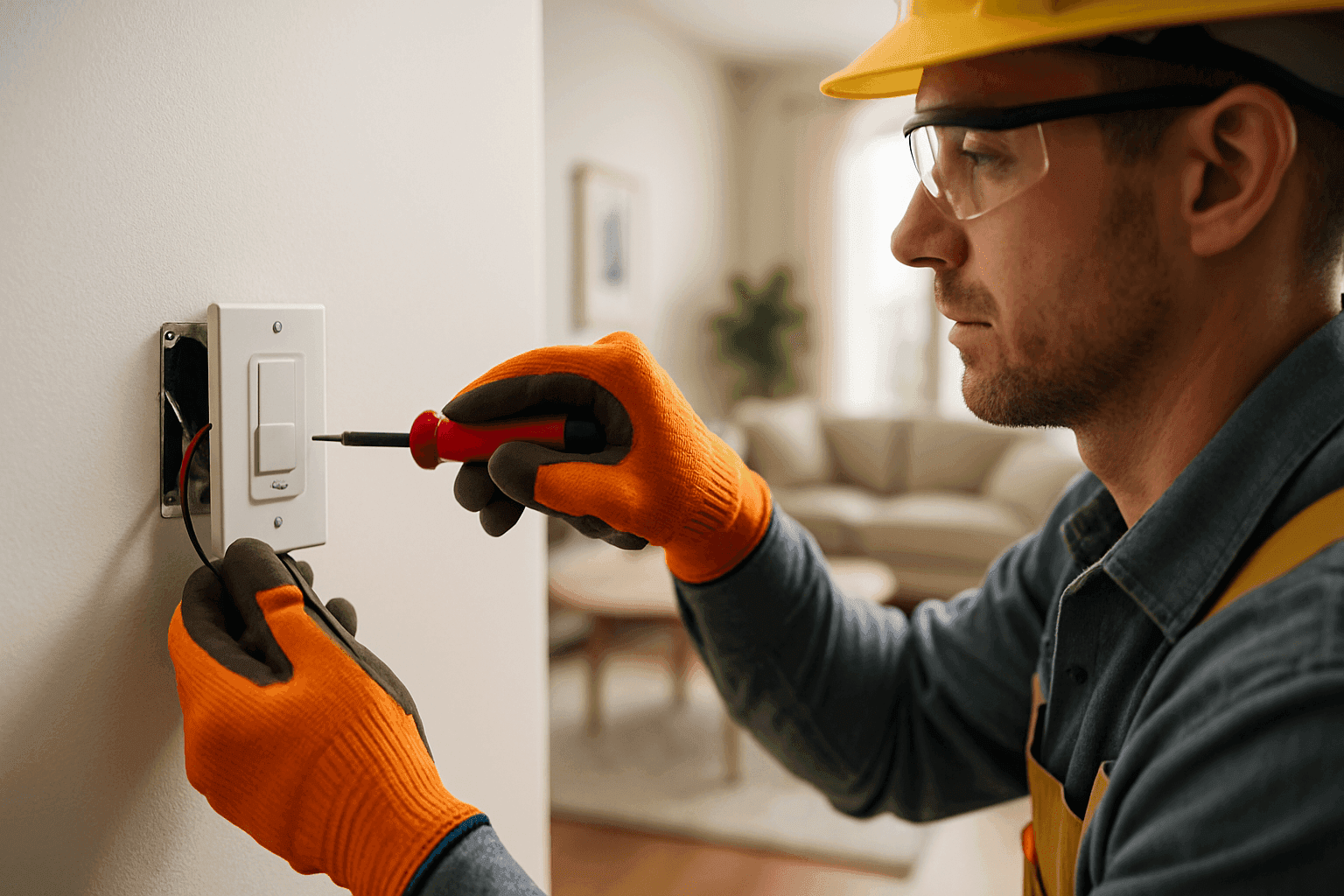
When you flip a switch, you expect light. Simple, right? But that tiny action depends on choices you make—sometimes years earlier—about what goes behind your walls. The right light switch isn’t just a detail. It’s a decision that shapes your comfort, safety, and style every day.
Choosing the right switch for each room can feel overwhelming. There’s more variety than ever. From classic toggles to sleek dimmers to smart tech that talks to your phone—today’s options can fit every mood, schedule, and lifestyle. At Heintz Electric, we help folks make sense of it all—so let’s break it down.
Switch Types 🛠️
Not all switches are created equal. Here’s a quick guide to the most common types you’ll run into—and what makes each one unique.
Single Pole Switches
The bread and butter of lighting control. One switch. One light. You’ll find these in bedrooms, closets, and hallways. They’re reliable and easy to use.
Three-Way and Four-Way Switches
Need to control a light from more than one spot? That’s where these come in. Think staircases, long hallways, or large living rooms. Three-way switches work in pairs; four-way setups add another control point.
Dimmer Switches
Dimmers let you set the mood. Bright for homework. Soft for movie night. They come in rotary, slide, or even touch-sensitive versions. Not every bulb works with every dimmer, though—always check compatibility.
Smart Switches
These connect to Wi-Fi, Bluetooth, or smart home hubs. Turn lights on or off from your phone, voice assistant, or on a schedule. Some track energy use or let you control groups of lights at once. If you’re interested in Home Automation, smart switches are a solid start.
Specialty Switches
- Motion Sensors: Lights come on when you walk in, off when you leave.
- Timer Switches: Great for bathrooms, laundry rooms, or outdoor lights—set and forget.
- Toggle vs. Rocker: This is mostly style, but also accessibility—rockers are easier for small kids or folks with limited dexterity.
Room-by-Room Guide
Let’s walk through your home, one room at a time. Each space has its own needs—and the right switch can make a big difference.
Entryways
First impressions count. Consider a motion sensor for hands-free safety when you come home at night. Or a smart switch that you can control from your phone if you’re carrying groceries.
Living Room
Flexibility is key. Dimmers let you set the scene for reading, relaxing, or entertaining guests. If you have multiple entrances, a three-way switch setup makes life easier.
Kitchen
Task lighting matters here. Use single pole switches for overheads, but add dimmers for accent or under-cabinet lights. In open-plan homes, smart switches can tie lighting to routines (like “dinner time”).
Bedrooms
Comfort rules. Dimmers are perfect for winding down. Want to stay in bed a little longer? Smart switches or remote controls mean you don’t have to get up to turn off the lights.
Bathrooms
Safety first. GFCI outlets are a must near water (required by code). Timer switches work well for exhaust fans and vanity lights.
Hallways & Stairs
Three-way or four-way switches make it easy to keep these areas well-lit, no matter where you enter or exit. Consider motion sensors for added convenience.
Home Office
Bright, even lighting reduces eye strain. Consider dimmers for overheads and single pole switches for task lights. Smart switches can help you mimic natural daylight during long work sessions.
Outdoor Spaces
Weatherproof switches and timers protect your setup from the elements. Motion sensors boost security and save energy.
Specialty Spaces: Garages, Workshops, and More
Robust, easy-to-clean switches. Smart or voice-activated controls can be handy if your hands are full or dirty.
Quick Safety Checklist 📝
- Only use switches rated for the load (check wattages).
- Never mix dimmers with incompatible bulbs—look for “dimmable” labels.
- Wet areas require special switches (GFCI/Weatherproof).
- If you see sparks, hear buzzing, or your switch gets hot—call an electrician.
Always follow the latest National Electrical Code (NEC) guidelines. The U.S. Consumer Product Safety Commission is a good source for residential safety tips.
DIY vs. Call a Pro
Swapping out a basic switch might look easy. But electrical work is like baking—small mistakes can ruin the whole recipe, and safety is non-negotiable. Complex setups (like three-way switches, smart integrations, or high-load circuits) often require a licensed electrician.
Code compliance matters. So does getting the wiring right. If you’re unsure, don’t risk it. That’s why homeowners searching for Electrical System Installation near you often call in the pros.
What Happens When the Electrician Arrives
Here’s what a professional will do:
- Inspect your existing wiring for wear, damage, or code violations.
- Test for power and verify circuit loads.
- Install the new switch, ensuring tight connections and safe grounding.
- Double-check everything works before finishing up.
At Heintz Electric, we bring all the right tools and know-how—so you get peace of mind and a job done right.
Prevention & Maintenance
A well-installed switch should last years. But keep an eye out for:
- Flickering lights
- Warm switch plates
- Intermittent power
Regular electrical safety inspections can catch problems before they turn into headaches. For more information, check out our Outlets & Switches service page.
Costs & Time Factors
Basic switch replacements can be quick and affordable. Smart switches, multi-way setups, or custom controls may take longer and cost more—especially if new wiring or integration with home automation is needed.
Don’t forget: quality parts and professional labor save you money in the long run by avoiding repeat issues or safety risks.
When It’s an Emergency
If a switch smells like burning plastic, is hot to the touch, or you see sparks—turn off the circuit at the breaker and call for emergency service. Don’t wait. Electricity isn’t something to gamble with.
FAQ: Light Switch Edition
Q: Can I mix old and new switches?
A: Sometimes. But mismatched hardware can cause issues. An electrician can assess what’s safe.
Q: Are smart switches safe?
A: Yes—when installed properly. Follow manufacturer instructions and ensure your home’s wiring is compatible.
Q: How many switches can I put in one box?
A: It depends on the box size and wire count. Overcrowding is a fire risk. Always check code.
Seasonal Considerations
Think about how your needs change with the seasons. Dimmer switches are great for cozy winter evenings. Timers or smart controls help keep your home lit during long summer days when you’re away.
Common Mistakes to Avoid 🚧
- Over-tightening terminal screws (can crack the switch).
- Not turning off power at the breaker.
- Using the wrong type of dimmer or switch for the bulb.
- Forgetting about code requirements in wet areas.
- Skipping ground wires.
Signs It’s Time for an Upgrade
- Switches feel loose or wobbly.
- You want to add dimmers or smart controls.
- Outlets or switches are discolored or make noise.
- Adding new lighting or remodeling a room.
Timeline & Disruption
Most switch upgrades take under an hour per room, but complex projects (like home automation or rewiring) can stretch over several days. Plan for a little downtime—especially if walls need to be opened up.
Materials & Equipment
- Switches (single pole, three-way, dimmer, smart)
- Compatible wall plates
- Voltage tester
- Wire nuts and electrical tape
- Screwdrivers (flathead and Phillips)
- Face masks and gloves (for safety)
Integration with Home Automation
Smart switches are the gateway to a connected home. You can set up schedules, control lights remotely, and even integrate with security systems or voice assistants. But these setups often require special wiring or a dedicated hub.
Need help with Home Automation? Ask us about options that fit your lifestyle.
Professional Installation Makes the Difference
From code compliance to safety, the right electrician does more than just “hook up a switch.” We design systems that fit your life today—and tomorrow. If you’re searching for an electrician company with years of know-how, Heintz Electric is here.
If you’re in the Lake Charles area and want to upgrade your Outlets & Switches, you’ll find all the information you need on our electrician company page.
Ready to upgrade your home’s switches? Call Heintz Electric now — or reach us anytime at 877-315-8745 .