How to Choose the Right Light Bulbs for Every Room
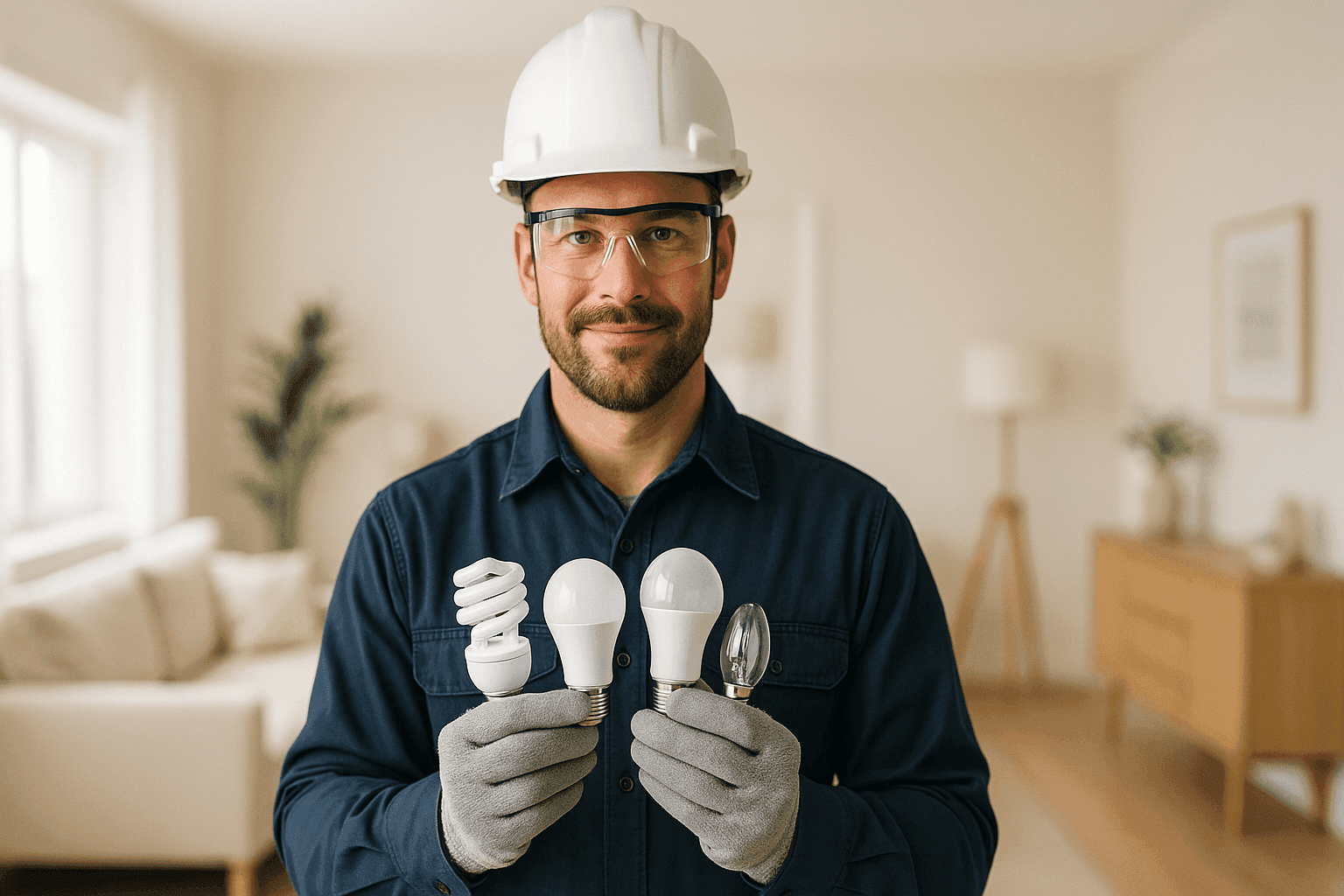
Ever squinted in your living room, wishing the lights were cozier? Or struggled to read in a shadowy corner? The right light bulb isn’t just about brightness—it shapes how your home feels, functions, and even how safe it is. At Heintz Electric, we see it every day: the smallest lighting choice can make a room come alive or leave it feeling flat.
Your light bulbs impact comfort, energy bills, and even your family’s well-being. But with a dizzying range of options, where do you start? Let’s break it down—practically, safely, and room by room.
Bulb Types: LED, CFL, and Halogen 🌟
Light bulbs come in three main flavors. Each brings its own personality, kind of like picking the right tool for a job.
- LED (Light Emitting Diode): These are the marathon runners. They last for years, sip energy, and stay cool. Most homes are switching to LED for good reason—it’s efficient and versatile.
- CFL (Compact Fluorescent Lamp): Remember the twisty bulbs? CFLs are solid, but less common now. They use less power than old incandescents, though they can take a moment to warm up.
- Halogen: Halogen bulbs shine bright and true—colors look great under them. But they run hot and use more energy, making them less popular for everyday use.
Still got a box of old incandescent bulbs? They’re being phased out in many places due to energy rules. Stick with LED or CFL for most rooms.
The Science of Color Temperature
Not all light is created equal. The “color temperature” of a bulb is measured in Kelvins (K). Lower numbers mean warm, cozy light—think golden sunsets. Higher numbers are crisp and cool, like a bright winter morning.
- 2700K–3000K: Warm white—perfect for living rooms and bedrooms
- 3500K–4100K: Cool white—works well in kitchens and bathrooms
- 5000K–6500K: Daylight—great for garages, laundry rooms, or any place needing sharp clarity
Pick the temperature that sets the right mood for each space.
Wattage and Lumens: What Really Matters
Wattage used to mean brightness. Now, it's about energy used. Brightness is measured in lumens. For example, an old 60-watt bulb equals about 800 lumens. LEDs might use only 8–12 watts for the same result.
Quick tip: Always check your fixture’s maximum wattage rating. Exceeding it can create a fire hazard.
Room-by-Room Guide: The Right Bulb, Every Time
Living Room
You want flexibility—a soft glow for movie nights, brighter light for reading or gatherings. Try:
- LED bulbs, dimmable if possible (check if your switches are compatible)
- Warm white (2700K–3000K)
- 800–1600 lumens depending on lamp type and placement
Kitchen
Here, clarity is key. No one wants to chop onions in the shadows.
- Cool white (3500K–4100K) LEDs
- Task lighting under cabinets: bright, focused strips or puck lights
- Overhead: 1000–1600 lumens
Bedroom
Softness matters. Harsh light at bedtime? Not relaxing.
- Warm white (2700K) LEDs
- Table lamps: lower lumens, 450–800, for reading or winding down
Bathroom
Shaving, makeup, or getting ready? Accurate colors are vital.
- Cool white (3500–4100K) LEDs
- Vanity lighting: even coverage, 800–1200 lumens per fixture
Home Office
Eyestrain is real. Go for a crisp, energizing light.
- Daylight (5000K) LEDs
- Desk lamps: 800–1200 lumens
Hallways & Staircases
Safety first. Shadows can be a trip hazard.
- LEDs, 3000K–4000K
- Enough lumens to light every step—often 800+ per fixture
Garage, Laundry, and Utility Spaces
You want clear, bright light to catch every detail.
- Daylight LEDs, 4000K–6500K
- 1000+ lumens for overhead fixtures
Dining Room
Set the mood. Try a dimmer (with compatible bulbs) for those long, cozy dinners.
- Warm white LEDs (2700–3000K)
- Statement fixtures can use decorative bulbs for style
Outdoor and Porch
Weather-resistant is key. Safety and visibility matter.
- LEDs rated for outdoor use
- Motion sensors boost security and save energy
Energy & Style: Getting the Best of Both Worlds 💡
Modern bulbs don’t just save power—they come in all shapes and finishes. Like the vintage look? Get LED “Edison” bulbs. Want sleek and minimalist? Go for frosted globe LEDs.
Maximize savings:
- Swap out old incandescents and halogens for LEDs.
- Use dimmer switches (with compatible bulbs) to control mood and save even more.
- Look for ENERGY STAR® certified bulbs—they meet strict efficiency standards.
Style tip:
Layer your lighting. Mix overheads with table and floor lamps for a warm, balanced look.
Safety and Compatibility with Fixtures
It’s tempting to grab whatever bulb is handy—but not all bulbs fit all fixtures. Make sure:
- The bulb’s wattage does not exceed your fixture’s max rating.
- The base type matches (screw-in, pin, etc.).
- If you have an enclosed fixture, use bulbs rated for it—some LEDs can overheat otherwise.
- If using dimmers, pick bulbs labeled “dimmable” and check for compatibility.
Electrical codes (such as the National Electrical Code, or NEC) require certain fixtures—like bathroom or outdoor lights—to be moisture-rated. Always follow manufacturer instructions and code requirements.
Quick Safety Checklist
- Turn off power before changing bulbs in hardwired fixtures.
- Use a sturdy step stool or ladder, not a wobbly chair.
- Let hot bulbs cool before touching.
- Dispose of CFLs safely—don’t toss in regular trash. They contain small amounts of mercury.
Common Mistakes to Avoid
- Mismatched color temperatures in one space—can make a room feel off.
- Over-lighting: Too many lumens can create glare.
- Using non-dimmable bulbs with a dimmer switch—causes flickering or buzzing.
- Installing bulbs above recommended wattage—fire risk.
DIY or Call an Electrician?
Changing bulbs? Usually a DIY job. But if you’re upgrading fixtures, adding dimmers, or your lights flicker or trip breakers, it’s smart to call a licensed electrician. Electrical System Installation near you is about more than just screwing in a bulb—it’s about safety and long-term performance.
What the Pros Do on Arrival
When you call Heintz Electric, we:
- Check fixture compatibility and wiring
- Inspect for code compliance
- Offer suggestions for lighting upgrades and energy savings
- Handle installations safely and efficiently
For more on our lighting and installations services, see our main service pages.
Seasonal Considerations
Short winter days? Swap in brighter, cooler bulbs for a mood boost. Summer evenings? Warmer, softer light feels inviting. In outdoor fixtures, make sure bulbs are rated for freezing temps if you live in a cold climate.
Prevention & Maintenance
- Dust bulbs and fixtures regularly—dirt dims light output.
- Replace bulbs at the first sign of flicker or dimming.
- Schedule periodic electrical safety inspections, especially in older homes.
Signs of Trouble
- Burned-out bulbs far too often? May signal a wiring issue.
- Flickering lights, humming, or breakers tripping? Call an electrician contractor.
- Burn marks or melted fixtures—turn off power and call for help immediately.
Costs & Time Factors
LEDs cost more upfront, but last years—saving money and hassle. Installation time for a new fixture or dimmer varies, but most pros finish in under an hour. Upgrading your entire home’s lighting can be done in a day with minimal disruption.
Timeline & Disruption
Swapping bulbs? Minutes. Upgrading fixtures or adding new circuits? Plan for a few hours. Our team always aims to keep the process neat and minimally invasive.
Materials & Equipment
- Quality bulbs (LEDs, CFL, halogen as needed)
- Properly rated fixtures
- Dimmers, timers, smart home controls
- Safe ladders and tools
FAQ
Q: Can I use LEDs in any fixture?
A: Most, yes, but check for enclosed-rating and dimmability.
Q: Why do my bulbs burn out so fast?
A: Could be loose connections, over-voltage, or the wrong bulb type. Have it checked.
Q: What’s the best bulb for kids’ rooms?
A: Warm white LEDs—they’re safe, cool to the touch, and energy-efficient.
When It’s an Emergency
If a fixture sparks, smells burnt, or you lose power to key outlets, it’s time for emergency service. Don’t risk it—call a licensed electrician right away.
For Lighting Help in Your Area
Looking for an electrician company that can help make your home shine? Heintz Electric is here to help.
Call Heintz Electric now — or reach us anytime at 877-315-8745 .