What To Do When a Circuit Breaker Keeps Tripping: Step-by-Step Solutions
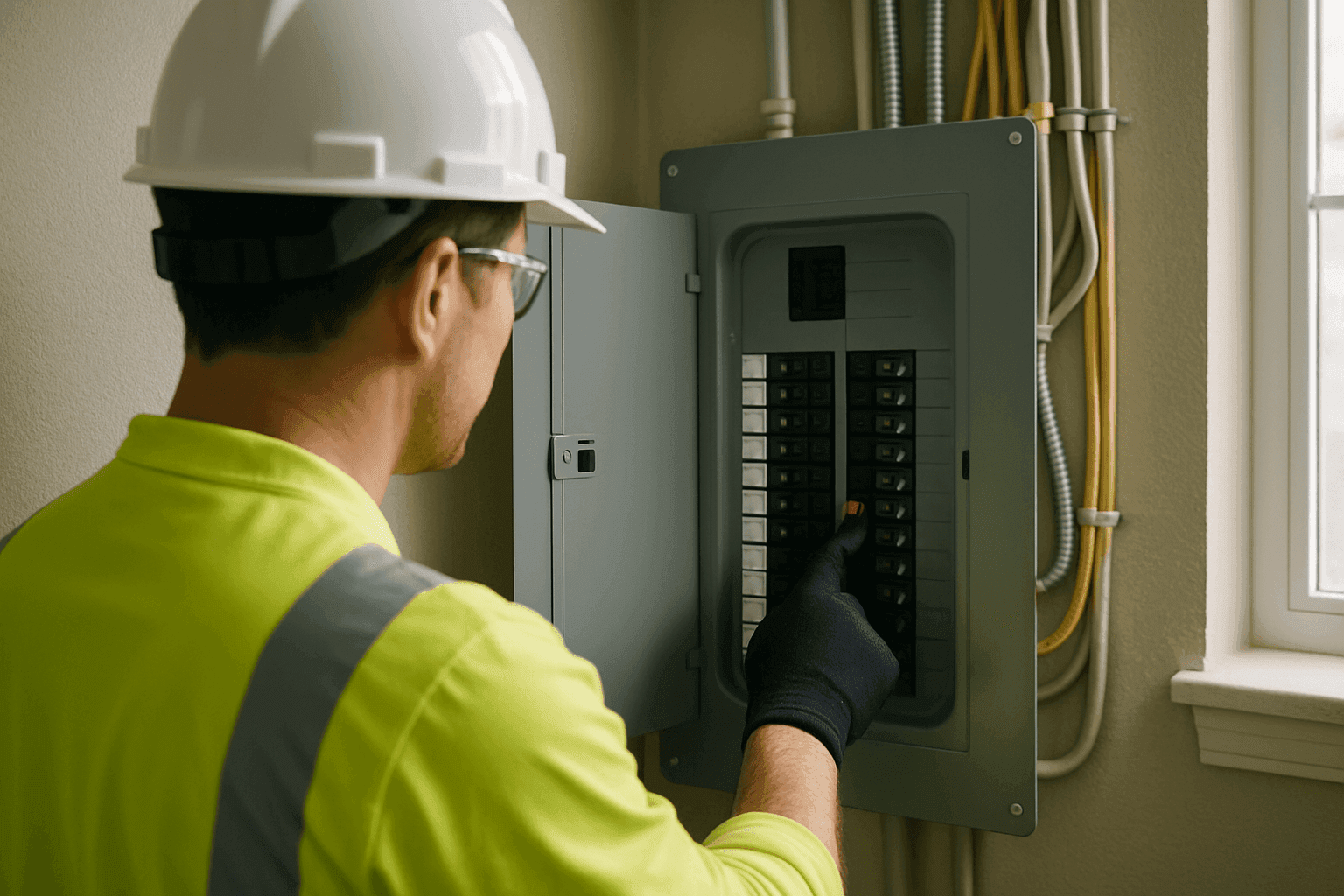
Have you ever been in the middle of making coffee, only to have the lights flicker and everything in the kitchen suddenly go dark? A tripped circuit breaker can turn a normal day upside down in an instant. At Heintz Electric, we know how frustrating—and sometimes concerning—this can be for homeowners.
Electrical problems demand respect. They’re like the weather: unpredictable but serious when they strike. Here’s a clear, step-by-step guide to help you understand why your circuit breaker keeps tripping, what you can do safely, and how to know when it’s time to call a professional electrician.
Why Do Circuit Breakers Trip? ⚡
Circuit breakers are the unsung heroes of your electrical system. They’re built to protect your home from hazards like fires and electrical shocks by shutting off the flow of electricity during trouble. If your breaker keeps tripping, it’s not an inconvenience—it’s a warning.
The Most Common Culprits
- Overloaded Circuits: Plugging too many devices into one circuit is like loading a canoe with bricks. Eventually, it can’t stay afloat.
- Short Circuits: When a hot wire touches a neutral or another hot wire, it’s like a shortcut your system can’t handle. This is often accompanied by a burning smell or even a popping sound.
- Ground Faults: This happens when electricity takes an unintended path to the ground—think of it as a detour that can lead to shocks or fires.
- Aging or Faulty Equipment: Old wiring and worn-out appliances can create hidden dangers behind your walls.
Authoritative source: The National Electrical Code (NEC) sets standards to prevent these hazards and keep your home safe.
Quick Safety Checklist Before Doing Anything
Safety should always come first. Before you touch anything:
- Stand on a dry surface—never in a damp basement or wet kitchen.
- Use only one hand to touch the breaker panel. Keep the other hand away from metal.
- If you see sparks, smell burning, or hear buzzing, step back and call a licensed electrician immediately.
- Don’t use makeshift fixes like tape or objects to hold the breaker in place. That’s like plugging a leak in a dam with chewing gum.
First Steps: What To Do When the Breaker Trips
- Identify the Tripped Breaker: Open your electrical panel and look for a breaker that’s in the “off” position or stuck between “on” and “off.”
- Unplug Devices: Start by unplugging everything on that circuit—lamps, coffee makers, TV, computer.
- Reset the Breaker: Flip the switch fully off, then back on. If it clicks and holds, start plugging things back in one by one.
- Watch and Listen: If the breaker trips again quickly after plugging in a specific device, that device or outlet may be the problem.
- Repeat Only Once: If the breaker continues to trip after resetting and unplugging, stop. Don’t force it.
When To Call a Professional
Sometimes, a tripping breaker is more than just a nuisance. Here’s when to stop troubleshooting and call an electrician:
- The breaker trips immediately after resetting, even with nothing plugged in.
- You notice a burning smell, buzzing, or see scorch marks.
- The panel feels hot to the touch.
- You’re not sure which devices are on which circuits, or your panel is unlabeled.
- You’ve had repeated issues, even after unplugging all devices.
If you’re looking for Panels & Breakers service or help with Fault Finding, professional support is crucial.
What a Pro Electrician Will Do
When you call in a licensed electrician, they don’t just flip switches. Here’s what to expect:
- Thorough inspection: They’ll check the panel, wiring, and outlets for signs of damage.
- Code compliance: All repairs and upgrades will meet NEC standards and local codes.
- Testing: Using specialized tools, electricians test for shorts, ground faults, and overloads.
- Clear explanations: A reputable electrician will walk you through what they find and offer safe, lasting solutions.
DIY vs. Professional Repair: Know Your Limits
It’s tempting to solve the problem yourself, but home wiring is not a “learn as you go” project. Simple steps like unplugging devices or resetting a breaker are fine. Anything involving exposed wires, panel work, or persistent tripping should be left to a licensed pro.
Signs That It’s More Than Just a Nuisance
- Breakers trip repeatedly, even after light use.
- Lights flicker or dim when appliances start.
- Outlets or switches feel warm.
- You see sparks, hear buzzing, or smell burning plastic.
- Your panel is outdated or labeled in a way you can’t follow.
These are all signs of bigger issues—don’t ignore them.
Preventing Future Breaker Trips
You don’t need to walk on eggshells around your outlets. Preventive measures go a long way:
- Avoid “daisy-chaining” power strips or using extension cords for permanent setups.
- Have an electrician label your panel and circuits clearly.
- Consider upgrading your panel if your home is over 30 years old.
- Schedule regular Panels & Breakers to catch trouble before it starts.
How Breaker Trips Affect Your Day-to-Day Life
A tripped breaker is more than a flicker in the lights. It can mean lost time, spoiled food, or even increased fire risk if ignored. Think of it as your home’s early warning system—a small inconvenience that prevents much bigger problems.
Seasonal Causes: When Weather Plays a Role 🌦️
- Summer: Air conditioners, fans, and pool equipment add extra load.
- Winter: Space heaters, electric blankets, and holiday lights can overwhelm older circuits.
- Storms: Power surges and lightning can cause immediate trips.
Always be mindful of seasonal changes in electrical use.
Common Mistakes Homeowners Make
- Ignoring repeated trips and resetting over and over.
- Using oversized fuses or breakers (dangerous and against code).
- Covering up extension cords under rugs or furniture.
- DIY repairs without proper knowledge or tools.
Stick to what you know. If you’re unsure, call Heintz Electric.
How Long Will Repairs Take? What Will It Cost?
- Simple fixes: Resetting a breaker or replacing a faulty device can take minutes.
- Complex repairs: Tracing a short circuit or replacing wiring may take several hours.
- Panel upgrades: Could require a day or more, depending on your home’s size and age.
Costs vary based on the problem’s complexity and parts required. Investing in quality repairs now saves money—and worry—down the road.
Emergency Situations: Don’t Wait
If you ever see smoke, feel heat at the panel, or lose power to essential systems (like medical equipment or refrigerators), treat it as an emergency. Unplug what you can safely, leave the area, and call for help immediately. Heintz Electric provides 24-hour and emergency service, so you’re never left in the dark.
FAQ: Answers to Your Circuit Breaker Questions
Q: Is it safe to keep resetting a breaker that keeps tripping?
A: No. If a breaker trips more than once, it’s warning you about a problem. Repeated resets can lead to overheating and fire risks.
Q: Can I replace a breaker myself?
A: Only if you’re trained and understand local codes. Otherwise, leave it to a qualified electrician company.
Q: How do I know if my panel is outdated?
A: If your home is over 30 years old or the panel shows signs of rust, heat, or poor labeling, it’s time for an upgrade.
Q: Where can I get reliable electrician services near me?
A: Heintz Electric is ready to help. For electrician contractor support, reach out anytime.
Materials and Tools Pros Use
- Voltage testers and multimeters
- Insulated tools
- Panel labeling kits
- NEC-compliant breakers and wiring
These aren’t items you’ll find in a basic toolbox. That’s why professional repairs are safer and more reliable.
Final Thoughts: Don’t Ignore Warning Signs
Breakers trip for a reason. Treat them like guardrails, not obstacles. Your safety—and your home’s future—depends on taking these warnings seriously.
Call Heintz Electric now — or reach us anytime at 877-315-8745 .