Do You Need a Backup Generator? Power Outage Preparation for Homeowners
When the Lights Go Out: Why Backup Power Matters
It’s a stormy night. The wind howls. Suddenly, your house plunges into darkness. The fridge stops humming. The heater is silent. You search for candles, wondering how long it’ll last.
Power outages aren’t just an inconvenience—they can be a real risk. For many families, a backup generator isn’t just a luxury. It’s peace of mind. At Heintz Electric, we’ve seen how quickly outages can disrupt daily life, especially when safety and comfort are on the line.
Who Really Needs a Backup Generator at Home?
Some households can ride out an outage with flashlights and patience. For others, losing power can mean spoiled food, lost work, or even health emergencies. Ask yourself:
- Do you live in an area with frequent blackouts?
- Do you depend on medical equipment, like oxygen concentrators or CPAP machines?
- Are you working from home, where downtime means missed deadlines or lost income?
- Do you have young children or elderly family members who need a safe, comfortable environment?
- Is your region prone to wild weather—ice storms, heatwaves, hurricanes?
If you answered “yes” to any of these, backup power isn’t just helpful—it’s essential.
Real-World Scenarios: When Backup Generators Are Lifesavers
- Summer heatwaves: Air conditioning keeps your family cool and safe. Outages can make homes dangerously hot.
- Winter storms: Furnaces and sump pumps stop working. Pipes freeze. Basements flood.
- Remote work: A generator keeps your Wi-Fi, computers, and phone lines powered.
- Medical needs: Power interruptions can be life-threatening if you rely on powered medical devices.
For some, a brief interruption is just a hassle. For others, it’s a crisis.
Portable vs. Standby Generators: What’s the Difference? ⚡
There are two main types of generators for homes:
Portable Generators:
- Affordable, moveable, and good for short outages.
- Need to be manually started and plugged into appliances.
- Can’t power your whole house—usually just essentials.
Standby Generators:
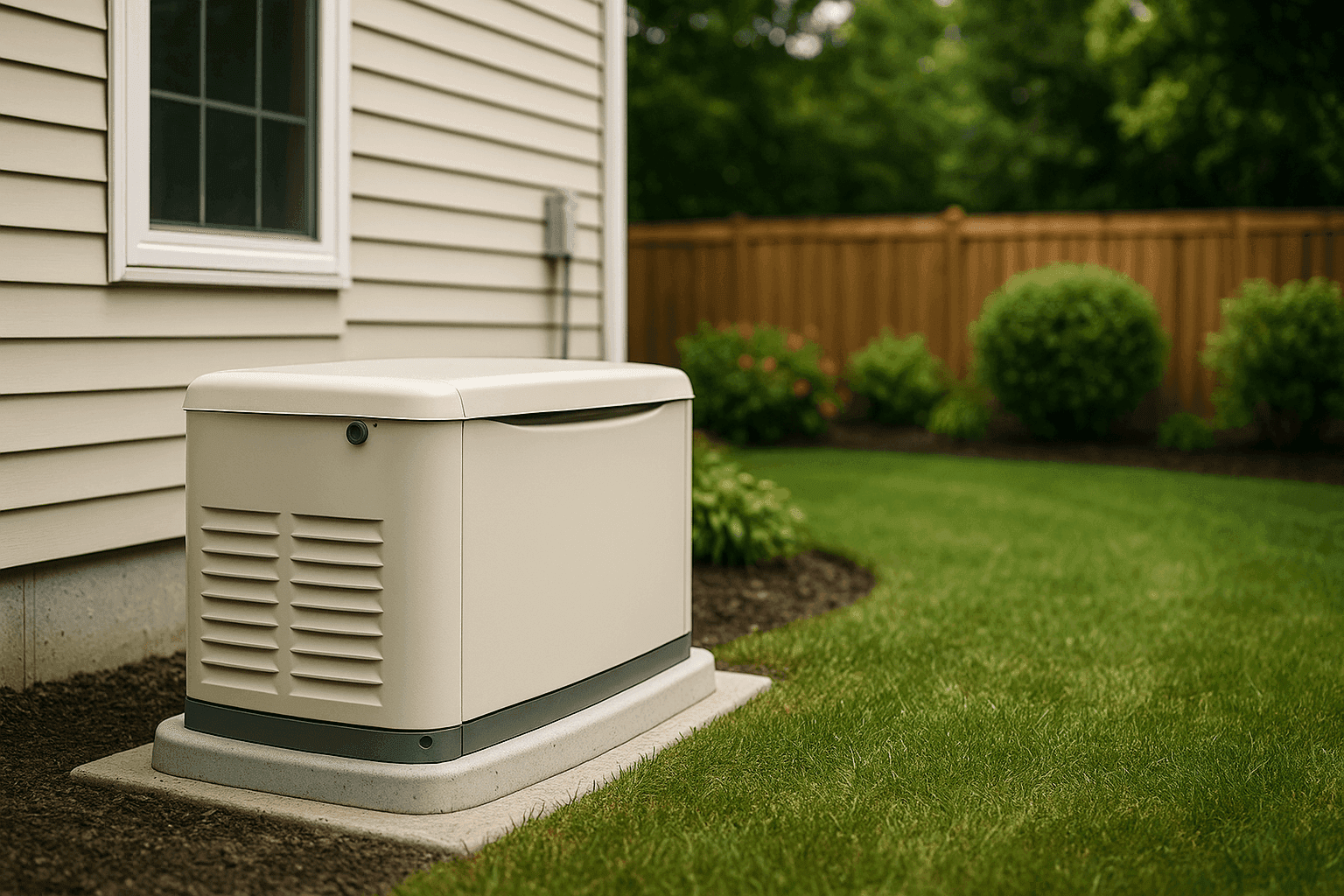
- Permanently installed outside your home.
- Automatically turn on when the power fails.
- Can power your entire house, including central air and heat.
- Quieter, more reliable, but a bigger investment.
Think of portable models like a spare tire—they’ll get you out of a bind. Standby units are more like four-wheel drive: always ready, no matter the road ahead.
How to Choose the Right Generator for Your Home
Not all generators fit every home. Here’s what you need to consider:
- Power Requirements: List what you’ll need during an outage—fridge, furnace, lights, medical gear. Add up their wattage. The more you want to run, the larger generator you’ll need.
- Fuel Type: Generators run on gasoline, propane, or natural gas. Each has pros and cons. Gasoline is easy to find but needs regular refilling. Natural gas runs endlessly if you have a hookup.
- Installation: Portable units are plug-and-play, but standby generators need professional installation and sometimes permits.
- Maintenance: Generators need regular testing, oil changes, and inspections. Neglect leads to trouble when you need them most.
The Installation Process: What to Expect
Installing a standby generator isn’t a weekend project. Here’s what Heintz Electric will do:
- Assess your home’s electrical system and your power needs.
- Recommend the right generator size and fuel type.
- Handle local permits and code requirements (following the National Electrical Code and city regulations).
- Install a transfer switch—so your generator powers the right circuits safely.
- Test the system to ensure everything works when you need it most.
Safety First: Avoiding Hazards
Generators can be lifesavers, but only when used safely. Here’s what every homeowner should know:
- Never run a portable generator inside or in a garage. Carbon monoxide can build up fast.
- Keep generators dry and protected from rain.
- Use heavy-duty, outdoor-rated extension cords.
- Never connect a portable generator directly to your home’s wiring—this can backfeed and endanger utility workers.
- Regularly test your generator to make sure it starts and runs.
The Electrical Safety Foundation International (ESFI) provides thorough guidelines for home generator safety. Always follow manufacturer instructions.
Code Compliance: It’s Not Optional
Backup generator installations must follow strict wiring rules and local ordinances. The National Fire Protection Association (NFPA 70: National Electrical Code) spells out requirements for safe installation, fuel storage, and transfer switches.
Permit requirements vary, but most localities require inspection before use. This isn’t just red tape—safe, code-compliant installation keeps your family and first responders safe.
DIY vs. Professional Installation: What’s at Stake?
It’s tempting to save money with a DIY install. But one wrong step can mean fire hazards, electrical shock, or voided insurance.
Professional electricians like Heintz Electric:
- Size your generator so you don’t overload circuits.
- Install transfer switches to avoid dangerous backfeeding.
- Ensure grounding and bonding meet code.
- Handle permitting and inspections.
- Provide ongoing support and maintenance.
When safety is on the line, experience matters.
Maintenance Matters: Keeping Your Generator Ready
A generator is like a car. Ignore it, and it might not start when you need it most. Here’s how to keep yours ready:
- Run your generator every month for 10–20 minutes.
- Change the oil as recommended by the manufacturer.
- Check fuel levels and expiration dates.
- Inspect for leaks, corrosion, and rodent damage.
- Schedule professional inspections yearly.
A forgotten generator is a useless one. Make it part of your seasonal home checklist.
Are Backup Generators Worth the Cost?
Generators aren’t cheap. Portable models can be a few hundred dollars. Standby systems run several thousand, plus installation.
But compare that cost to:
- Replacing spoiled food after an outage.
- Emergency hotel stays.
- Lost work time.
- Medical emergencies.
For many, the investment pays for itself the first time the power goes out.
What About Clean Energy? Solar and Battery Options
Some homeowners ask about solar + battery backups. These work well for short outages and can be paired with generators for more resilience. However, solar batteries alone may not power large appliances or heat during long blackouts.
Discuss your options with your electrician to find a setup that fits your home and budget.
Generator Safety Checklist for Homeowners 📝
Here’s a quick list to keep your family safe:
- Always operate generators outdoors, away from windows.
- Test your generator monthly.
- Store fuel safely, away from heat and flames.
- Keep extension cords off wet ground.
- Schedule yearly inspections with a licensed electrician.
Common Mistakes to Avoid
- Overloading your generator by running too many devices.
- Letting fuel sit too long—it can gum up engines.
- Forgetting to install a transfer switch.
- Ignoring regular maintenance.
- Skipping permits or inspection.
These slip-ups can turn a safety solution into a new source of risk.
Emergency? When to Call for Help
If your generator won’t start during an outage, or you smell gas or see sparks, don’t try to fix it yourself. Call an electrician. Safety always comes first.
Remember, Heintz Electric offers Backup Generators for urgent electrical needs.
Local Help: Find an Electrician Near You
Backup generator installation is not a one-size-fits-all job. It takes careful planning, knowledge of codes, and a steady hand. If you're searching for a reliable electrician company, you can trust our electrician services in Porterville to help you get the job done right.
Preparing for the Next Outage: Your Action Plan
- Assess your household’s needs.
- Decide if a portable or standby generator fits your lifestyle.
- Call a qualified electrician for a home assessment.
- Get a quote for installation and maintenance.
- Test your system before the next storm hits.
Don’t wait for the next blackout to start planning. Power outages are unpredictable—but your preparation doesn’t have to be.
Call Heintz Electric now — or reach us anytime at 877-315-8745 .