Electrical Repairs: When to DIY & When to Call a Pro
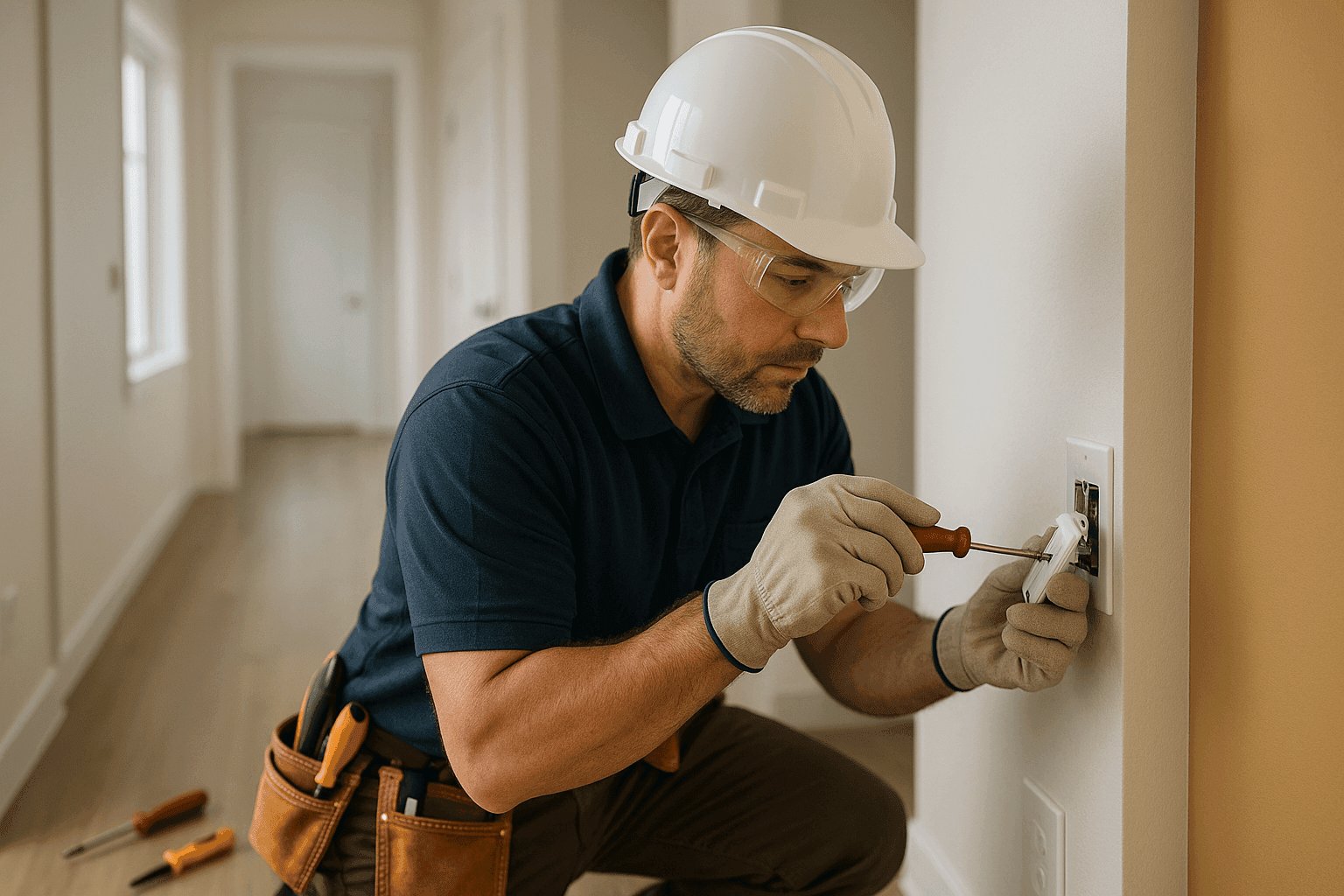
Electricity powers your world. It lights up your home, runs your appliances, and keeps your family safe and comfortable. But when something goes wrong—a flickering light, a dead outlet, a stubborn breaker—what should you do next? Do you grab your toolbox, or is it time to call an electrician?
At Heintz Electric, we know electrical repairs can be daunting. We’re here to help you figure out what’s safe to handle yourself, and when it’s best to bring in licensed help.
DIY Repair Limits ⚡
Some electrical problems really can be fixed with a little patience and the right approach. But just like you wouldn’t jump into a fast-moving river without a life jacket, you shouldn’t tackle electrical repairs without a clear sense of what’s safe.
Common DIY-Friendly Fixes
-
Replacing a broken light bulb
Always turn off the switch first. Let the bulb cool before touching, and make sure your hands are dry. -
Resetting a tripped circuit breaker
If a breaker trips, unplug a few items on that circuit and reset the breaker. If it trips again immediately, stop—there’s likely a bigger issue. -
Swapping out faceplates on outlets or switches
This is cosmetic, requires no wiring, and is safe as long as you avoid touching the internal components.
When DIY Is Not Enough
If you’re thinking about moving wires, changing out outlets, or installing new fixtures, pause. These repairs can turn risky fast. According to the National Fire Protection Association (NFPA), electrical failures or malfunctions are a leading cause of home fires in the U.S. A simple mistake—like crossing wires or using the wrong breaker—can have serious consequences.
Safety First: Your Quick Checklist
Your safety is always the top priority. Before touching anything electrical, walk through this list:
- Turn off power at the breaker panel.
- Use a voltage tester to confirm wires are dead.
- Wear rubber-soled shoes and stand on a dry surface.
- Never work on energized circuits.
- If in doubt, don’t touch.
Remember, electricity is invisible but powerful—like a river beneath thin ice. One wrong step, and you’re in deep water.
Signs of Trouble: What to Watch For
Wondering whether you have a small fix or a bigger problem? Look out for these warning signs:
- Burning smells from outlets or switches
- Warm or hot wall plates
- Frequent breaker trips
- Flickering or dimming lights
- Buzzing sounds from fixtures
If any of these are present, don’t try to fix it yourself. These are signals that your system may be unsafe.
When to Call a Pro
Electrical issues aren’t just inconvenient—they’re potentially dangerous. Here’s when you should always call a licensed electrician:
- Outlets or switches spark or feel hot
- You see smoke or smell burning plastic
- Lights flicker even after changing bulbs
- Breakers trip repeatedly or won’t reset
- You need new wiring, panel upgrades, or surge protection
- Any work involving water (kitchens, bathrooms, outdoors, pool & spa electrical)
Calling in a professional electrician is like consulting a doctor for persistent pain—you need a skilled eye and the right tools to diagnose and treat the problem safely.
What Pros Do On Arrival
When a Heintz Electric technician arrives, here's what you can expect:
- Full inspection of the affected area
We check not just the problem, but the whole circuit. - Electrical Safety Inspections
We follow current National Electrical Code (NEC) and OSHA guidelines. - Use of specialized tools
Our equipment finds faults invisible to the naked eye. - Clear explanations
We walk you through the issue and the recommended fix.
Outlets, Switches & Lighting: The Usual Suspects
Broken outlets, faulty switches, and flickering lights are among the most common calls we receive. Each has its own risks:
- Outlets: Loose wires can spark fires.
- Switches: Worn contacts can overheat.
- Lighting: Wrong bulbs or loose fixtures can cause shorts.
Sometimes, a simple replacement works. Other times, the root cause is deeper—damaged wiring, overloaded circuits, or outdated panels.
Fault Finding: The Detective Work
Not all electrical issues are obvious. Some hide in walls or under floors. Electricians use meters and testers to trace the problem, like following footprints in fresh snow. This process is methodical and often reveals issues before they become emergencies.
Prevention & Maintenance: Stay Ahead of Trouble
Regular electrical maintenance goes a long way. Schedule periodic safety checks, especially in older homes. Look for:
- Loose outlets or switches
- Outdated fuse boxes
- Exposed wiring
Consider upgrading to arc-fault or ground-fault protection for added safety. The Electrical Safety Foundation International (ESFI) recommends annual inspections if your home is over 40 years old or has had major renovations.
For more info on how we keep homes safe, see our maintenance page.
Electrical System Installation Near You
Thinking about adding new appliances, ceiling fans, or an EV charger? These upgrades often require new circuits or panel work. Even if you’re handy, electrical system installation near you is best left to the pros. It’s not just about connecting wires—it’s about ensuring every component meets code, so your insurance and safety aren’t compromised.
Costs & Time Factors
DIY might seem cheaper upfront, but mistakes can cost more in the end. Botched repairs can damage appliances, void warranties, or even spark fires. A licensed electrician fixes it right the first time, saving time and worry.
Most small repairs (like replacing a faulty outlet) are quick jobs for a professional. Larger fixes—rewiring, panel upgrades—take longer but are worth the investment for peace of mind.
When It’s an Emergency
If you see smoke, sparks, or smell burning, get everyone out and call 911. For urgent but non-life-threatening issues—like loss of power or water-damaged wiring—Heintz Electric offers 24 hour service for emergency repairs.
We’re your go-to electrician company for fast, reliable help when it matters most.
Common Mistakes to Avoid
- Overloading circuits with too many devices
- Using the wrong wattage bulbs
- DIYing unfamiliar repairs without shutting off power
- Ignoring warning signs like buzzing or hot outlets
- Using extension cords as permanent wiring
Electrical work isn’t like patching a wall—it’s more like fixing the brakes on a car. The smallest error can have big consequences.
Timeline & Disruption
Most repair visits take less than an hour. Larger projects—like whole-home rewiring—will need more time and planning. We always explain what’s needed and keep disruption to a minimum.
Materials & Equipment: What You Really Need
For safe DIY, keep these on hand:
- Insulated screwdrivers
- Non-contact voltage tester
- Flashlight
- Electrical tape
Never substitute household tools or guess at what’s behind your walls.
Seasonal Considerations
Stormy weather? Heavy rain or wind can expose wiring issues. Winter and summer both put extra load on circuits. Schedule a safety check before the seasons shift to avoid surprises.
FAQ: Quick Answers
Q: Can I replace a light fixture myself?
A: If you’re comfortable with basic wiring and the power is off, yes. But call a pro if there’s any uncertainty.
Q: Are old two-prong outlets safe?
A: Not by modern standards. Upgrade to grounded outlets for better safety.
Q: My lights flicker when the AC turns on. Is that normal?
A: Minor dimming is ok, but flickering can signal a loose connection or overloaded circuit. Have it checked.
Electricity isn’t something to gamble with. Know your limits, keep your home safe, and reach out when a problem’s beyond your comfort zone. For professional repairs and peace of mind, Heintz Electric is here to help.
Call Heintz Electric now — or reach us anytime at 877-315-8745 .