Electrical Storm Safety: Protecting Your Home During Severe Weather
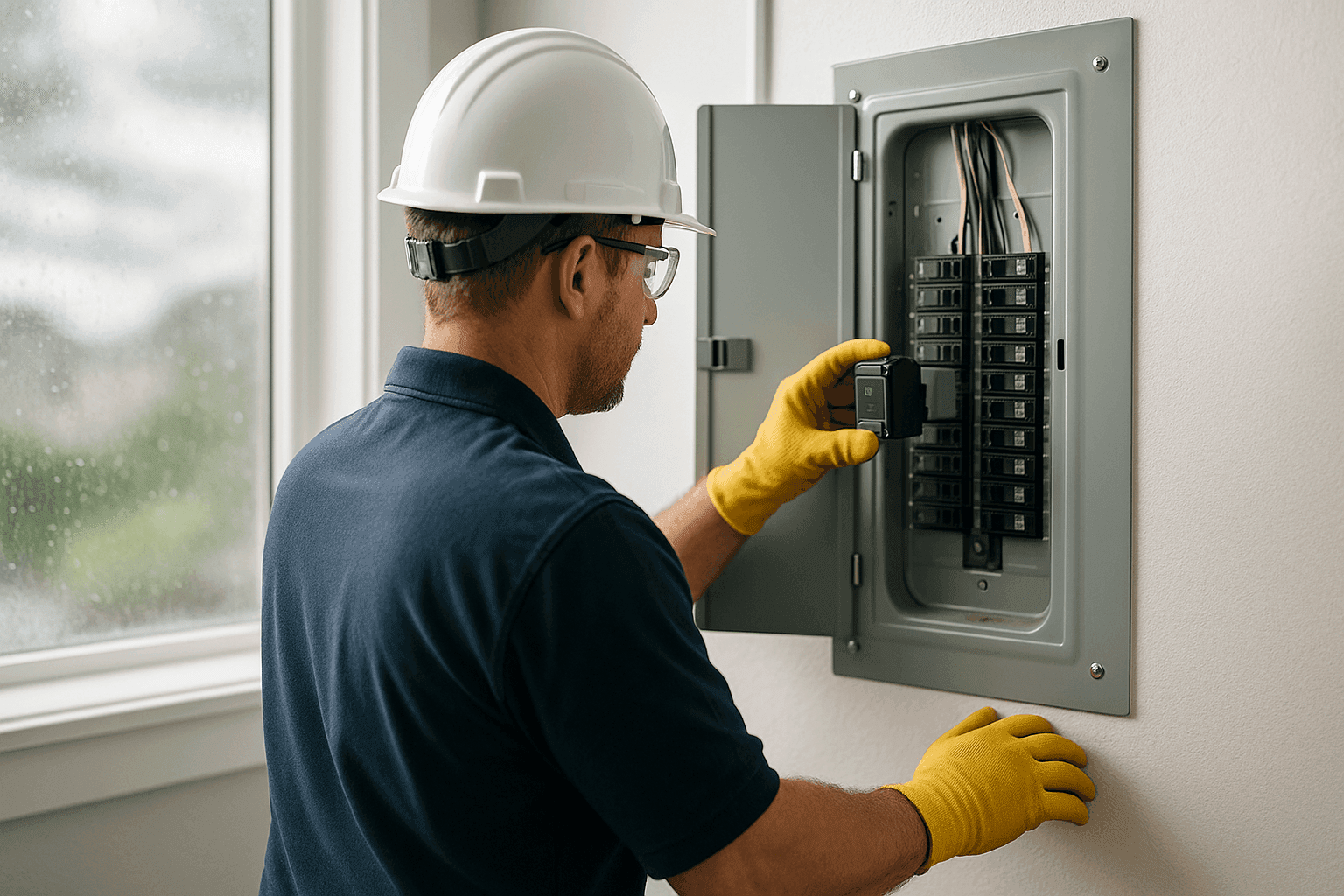
Big storms don’t just rattle the windows—they can put your entire electrical system to the test. Lightning, wind, and heavy rain can turn a safe home into a danger zone in minutes. You want your family safe. Your appliances protected. And peace of mind, even when thunder shakes the roof.
At Heintz Electric, we know the storms aren’t waiting for you to prepare. As a local electrician company, we see the aftermath all too often—fried electronics, flickering lights, and families left in the dark. Let’s make sure you’re ready the next time the weather turns wild.
Storm Risks to Electrical Systems ⚡
A storm is more than just a light show. It’s an electrical threat that can sneak into your home through outlets, wires, and even the phone line.
What Could Go Wrong?
- Power Surges: Sudden spikes zap your electronics. TVs, computers, and kitchen gadgets are all at risk.
- Lightning Strikes: A single bolt can fry your electrical panel or start a fire.
- Flooded Outlets: Water and electricity are a dangerous mix. Flooded basements and crawl spaces spell trouble.
- Fallen Power Lines: These can send dangerous currents into your home—even if the lights are off.
- Generator Hazards: Portable units wired incorrectly can back-feed, risking electrocution for you or utility workers.
The National Fire Protection Association (NFPA) and the Electrical Safety Foundation International (ESFI) warn homeowners every year: electrical accidents spike during severe weather. Preparation isn’t just smart—it’s life-saving.
How to Prepare
When the forecast calls for storms, don’t wait until the first flash of lightning. Use this practical checklist to get your home storm-ready.
1. Unplug Sensitive Electronics
- TVs, computers, gaming consoles—if you can pull the plug, do it.
- Don’t forget routers, modems, and phone chargers.
- For built-in appliances, use the wall switches to disconnect when possible.
2. Inspect Your Surge Protection
- Whole-home surge protectors are your first defense. If you don’t have one, it’s time to consider surge protection installation.
- Plug-in surge strips help, but not all are equal. Check the Joule rating (the higher, the better).
- Test or replace old surge devices—they lose effectiveness over time.
3. Backup System Readiness
- Generators: Check fuel, oil, and test-run before storms hit.
- Automatic transfer switches: Make sure they switch smoothly—no hesitation.
- Know where your manual transfer switch is and how to use it safely.
4. Secure Outdoor Electrical
- Move extension cords and electronics indoors.
- Cover outdoor outlets with weatherproof covers.
- Pool and spa systems should have ground fault protection—double-check with your electrician.
5. Emergency Lighting
- Flashlights in easy-to-reach spots (not buried in a junk drawer).
- Battery backups for stairwells and main hallways.
- Don’t count on candles—fire risk rises during outages.
6. Review Your Electrical Panel
- Know how to safely shut off breakers if flooding occurs.
- Label your circuit breakers—don’t guess in the dark.
Surge Protectors: Your Home’s Invisible Shield
Think of a surge protector like an umbrella in a downpour. It can’t stop the storm, but it keeps what’s important dry. Without it, a lightning strike miles away can send a surge through the grid, frying your appliances in an instant.
The National Electrical Code (NEC) now requires surge protection for new homes—a move that saves thousands in repairs. But even older homes can be upgraded. A licensed electrician can install panel-mounted surge protection, shielding every room.
Want to learn more about protecting your devices? See our surge protection service.
Generator Safety: Power When You Need It
Generators are like spare tires—useless if you forget about them until you need them. Regular testing and professional maintenance keep them ready for action.
- Keep generators outdoors, away from windows, to prevent carbon monoxide poisoning.
- Never plug a generator directly into a wall outlet—backfeeding is deadly.
- Use heavy-duty extension cords rated for outdoor generator use.
- Schedule yearly maintenance to keep backup systems reliable.
If you need help with installation or maintenance, Heintz Electric is just a call away.
Quick Electrical Storm Safety Checklist
Before the clouds roll in:
- Unplug electronics and small appliances.
- Check surge protection devices for wear.
- Test your generator, or schedule a service.
- Secure all outdoor electrical equipment.
- Review emergency lighting and flashlights.
- Know your main breaker location.
A little preparation now can prevent a lot of heartache later.
Common Mistakes to Avoid
Storms bring chaos. It’s easy to make mistakes. Here’s what you should skip:
- Leaving electronics plugged in: Surge protectors help, but unplugging is safer.
- Using wet outlets: Never plug into a damp socket, even if the power is on.
- Ignoring burning smells: If you smell burning plastic, shut off your main breaker and call an electrician.
- DIY generator hookups: Only a licensed electrician should connect a generator to your panel.
When to Call an Electrician
Some problems can’t wait. If you notice:
- Flickering or dimming lights after a storm.
- Burning smells or buzzing from your panel.
- Outlets or switches that are warm to the touch.
- Downed power lines nearby.
Call for help right away. Heintz Electric offers emergency services for urgent electrical problems.
What Pros Do on Arrival
When you call an electrician after a storm, here’s what happens:
- Safety First: We check for live wires, water damage, and fire hazards.
- System Check: Inspect panels, breakers, and major circuits for damage.
- Testing: Use meters to check for hidden surges or voltage drops.
- Repairs: Replace damaged outlets, switches, or wiring as needed.
- Recommendations: Advise on upgrades for surge protection, generators, or rewiring.
A professional inspection can catch issues you might miss—saving you stress and money down the road.
Prevention & Maintenance
Storm safety isn’t a one-time chore. Regular maintenance keeps your electrical system strong:
- Schedule annual electrical safety inspections (see ESFI guidelines).
- Upgrade old wiring to meet current code.
- Replace worn-out surge protectors every 3–5 years.
- Test backup generators before each storm season.
- Keep your panel labeled and accessible.
Prevention costs less than repairs. Every time.
After the Storm
The skies have cleared. Time to check your home for hidden dangers.
What to Do Next
- Inspect for tripped breakers or blown fuses.
- Check appliances—look (and sniff) for signs of damage.
- Don’t reset GFCI outlets until everything is dry.
- If you had flooding, don’t use affected outlets until inspected by an electrician.
- Test your smoke and carbon monoxide detectors.
- Schedule an electrical inspection if you notice any irregularities.
If you’re in the area and searching for reliable electrician services, Heintz Electric is here for you.
DIY vs. Call a Pro
Some tasks are safe for homeowners—unplugging devices, replacing batteries in flashlights, or resetting a breaker. But when it comes to wiring, panels, or flooded outlets, don’t risk it. Electricity is invisible and unforgiving.
If you’re not sure, play it safe. Call an electrician.
Timeline & Disruption: What to Expect
Storm repairs can take an hour or a few days, depending on the damage:
- Minor repairs: Replacing outlets, resetting breakers—done quickly.
- Major issues: Panel replacement or rewiring may take longer, especially if permits are needed.
- Generator installs require planning and professional setup.
Your safety is our top priority—we’ll explain every step.
Materials & Equipment for Storm Safety
A well-prepared home has:
- Whole-home surge protector (panel-mounted)
- Portable surge strips for electronics
- Flashlights and fresh batteries
- Well-maintained generator with fuel
- Weatherproof covers for outdoor outlets
- Labeled circuit panel
Ask your electrician about the best brands and models for your needs.
Signs of Trouble: Don’t Ignore These
- Persistent flickering lights
- Outlets not working after a storm
- Strange noises from your panel
- Water near electrical equipment
- Smoke, sparks, or burning smells
If you notice any of these, call for emergency service immediately.
Seasonal Considerations
Storm season varies, but preparation is always in style. Spring and summer bring lightning and heavy rains. Fall and winter can mean ice storms and downed power lines.
Check your electrical system at the start of every season. Make upgrades before you need them.
FAQ: Electrical Storm Safety
Q: Can I use my generator in the rain?
A: Only if it’s in a well-ventilated, covered area—never indoors or in a garage.
Q: How often should surge protectors be replaced?
A: Every 3–5 years, or after a major surge event.
Q: Is it safe to reset breakers after flooding?
A: No. Wait for an electrician to inspect first.
Your Next Step: Stay Safe, Stay Ready
Storms don’t wait for a convenient time. But with the right preparation—and the right electrician—you can weather any storm with confidence. Heintz Electric is ready to help, whether you need surge protection, generator installation, or a fast response in an emergency.
Call Heintz Electric now — or reach us anytime at 877-315-8745 .