Electrical System Installation for Home Additions & Remodels
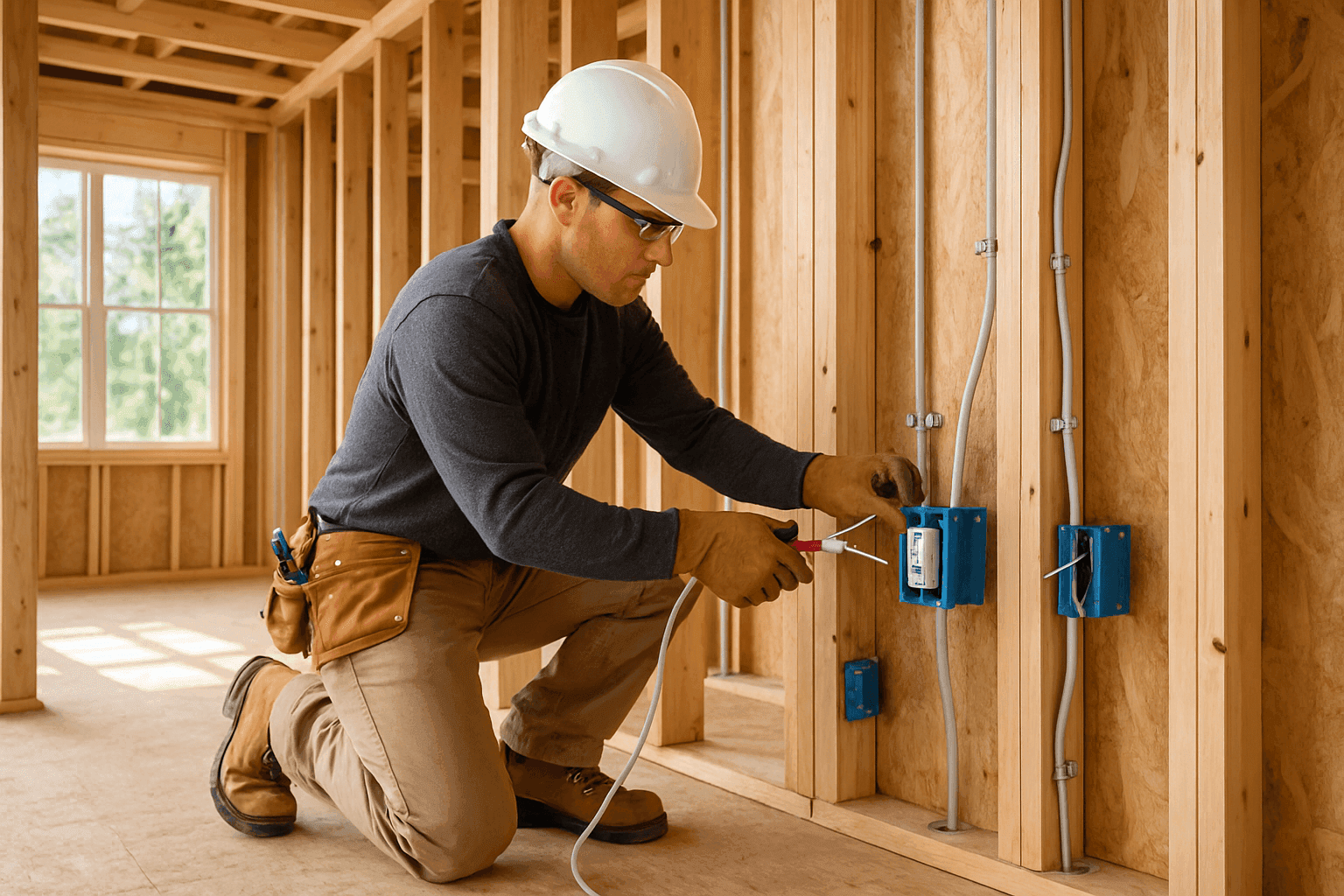
When you’re planning a home addition or remodel, the excitement is real. So is the responsibility. Lighting up a new space is about more than flipping a switch. It’s about safety, comfort, and making sure your home’s heart—its electrical system—beats strong for years. At Heintz Electric, we’ve walked hundreds of families through this process. We know the pitfalls and the power of doing things the right way, every time.
If you’re starting to imagine that new sunroom, upgraded kitchen, or expanded living space, electrical system installation is one of the first steps you’ll need to plan for. Let’s break down what’s involved, what to watch for, and why smart design matters.
Planning for Additions
Every home addition starts with a dream. Maybe it’s a playroom, an office, or a space to gather with friends. Whatever your vision, power runs through it. The planning stage is where smart electrical choices set the foundation for safety and convenience.
- Assess your needs: How many outlets will you need? What about lights, smart home features, or special appliances?
- Think ahead: It’s easier (and less costly) to add wiring for future tech now than to open walls later.
- Integrate with the old: Your new wiring must connect seamlessly with your existing system, like adding a new branch to a healthy tree. Overloading can lead to flickering lights, tripped breakers, or worse.
Always map out your must-haves and nice-to-haves. An experienced electrician can help translate your wish list into a safe, code-compliant plan.
Required Upgrades ⚡
Not all homes are ready for more power. Older panels and wiring may struggle to support new circuits, wiring, or high-demand appliances. Think of your electrical panel as the brain of your home—it needs to be up for the challenge.
Possible upgrades include:
- Panel upgrades: If your current panel is maxed out, you’ll likely need a bigger one. This isn’t just about adding breakers—it’s about ensuring your system can safely handle more demand. According to the National Electrical Code (NEC), each new circuit must be protected and sized for its load.
- Dedicated circuits: Big appliances, pools, or spas often need their own “private roads” to the panel. Shared circuits can cause overloads and nuisance tripping.
- Grounding and surge protection: Modern code and best practices require robust grounding. Surge protection shields sensitive electronics from power spikes, especially in areas with frequent storms.
- GFCI and AFCI protection: Kitchens, baths, and outdoor spaces need GFCI outlets (per NEC 210.8), while many new circuits require AFCI breakers for fire prevention.
You can read more about safe wiring practices in the National Fire Protection Association’s published NEC guidelines.
Inspection & Permits
Every new electrical installation requires proper permits and inspections. These aren’t just formalities—they’re your assurance that work is safe and up to code.
- Permits: Your municipality may require permits before any major electrical work begins. Skipping this step can lead to headaches, fines, and unsafe installations.
- Inspections: Licensed inspectors will check that wiring, connections, and equipment meet current standards. They’ll catch issues that could lead to fire or shock hazards.
- Documentation: Always keep records of permits and inspections. They’re often required when selling your home or filing insurance claims.
A professional electrician will handle this paperwork for you and coordinate inspections, staying on schedule and within the law.
Circuits: The Lifelines of Your Home
Think of circuits as the veins and arteries of your house. Each one carries power to outlets, switches, and fixtures. A well-designed system prevents overloads and keeps everything running smoothly.
- New circuits: Adding a room? You’ll need new circuits for lights, outlets, and possibly dedicated lines for HVAC or electronics.
- Balancing loads: Spreading out devices across different circuits avoids tripping breakers and hot wires.
- Future-proofing: Consider adding extra circuits for future needs—EV chargers, hot tubs, or smart home upgrades.
Proper planning here means fewer headaches down the road. Explore more about Wiring & Circuits.
Lighting That Works for You
Lighting is more than just bulbs and fixtures. It sets the mood, keeps you safe, and can even save energy if designed right.
- Layered lighting: Combine overhead, task, and accent lights for flexibility.
- Energy efficiency: Choose LEDs and smart switches to keep costs down.
- Dimmers and automation: Modern systems let you control lighting from anywhere, perfect for busy households.
A trusted electrician will help you design a system that fits your lifestyle.
Integrating With Existing Systems
Adding on to a home is like building a new wing on a castle. The old and new must work together. This means careful integration with your existing wiring, panel, and safety systems.
- Matching materials: Use the same gauge and type of wire as your existing system.
- Blending technology: Ensure new switches, outlets, and smart features work seamlessly with what you already have.
- Safety first: Update smoke and carbon monoxide detectors to cover both old and new spaces.
Integration is about harmony—making sure every part of your home’s electrical system “speaks the same language.”
Common Mistakes to Avoid
DIY electrical work can be tempting, but mistakes can be costly—or dangerous.
- Overloaded circuits: Plugging too much into one line risks overheating and fire.
- Improper connections: Loose wires and bad splices can cause shorts or shocks.
- Ignoring permits: Unpermitted work may be flagged during home sales or insurance claims.
- Mismatched materials: Old aluminum wiring and new copper don’t mix without special connectors.
If you’re unsure, it’s almost always best to bring in a pro.
The Cost & Timeline
Electrical upgrades are an investment, but they pay dividends in safety and peace of mind.
- Costs: These depend on the size of your addition, materials, and any necessary upgrades. Upgrading a panel or adding circuits typically costs more than running a few new outlets.
- Timeline: Most projects take anywhere from a few days to a couple of weeks, depending on complexity and inspection schedules.
Budget for some disruption, but a well-planned job keeps surprises to a minimum.
Safety Checklist Before You Start 🛑
- Verify your electrician is licensed and insured.
- Confirm permits are pulled before work begins.
- Ensure GFCI/AFCI protection is in the plan.
- Check that all wiring and panels will meet the latest NEC codes.
- Review your plan for future needs (EV charging, smart home, more outlets).
DIY vs. Call a Pro
Changing a light bulb? Fine for DIY. Wiring a new addition? That’s a whole different animal.
- Pros have the training: Licensed electricians understand code, load calculations, and safe installation.
- They spot the hidden risks: Old knob-and-tube? Aluminum wiring? Outdated panels? A pro knows what to look for.
- They keep it legal: Permits and sign-offs are handled for you.
For jobs that involve opening walls, new circuits, or panel work, always bring in a professional.
What Happens on Arrival
When your electrician arrives, here’s what you can expect:
- Site assessment: They’ll check your existing system and the plans for the new space.
- Load calculation: This ensures your system can handle the extra demand.
- Material selection: Safe, code-compliant wiring and breakers are picked.
- Coordination: Work is scheduled around other contractors and inspections.
Clear communication keeps everyone on track.
Electrical Safety Inspections
Before you flip the switch on your new space, a final electrical safety inspection is essential.
- Visual checks: Inspectors look for proper installation, labeling, and protection.
- Testing: Circuits are tested for continuity and proper grounding.
- Documentation: Passed inspections are recorded for your peace of mind.
The National Electrical Code is updated every three years. Make sure your installation meets the latest edition.
Prevention & Maintenance
Once your addition is up and running, keep it safe with regular maintenance:
- Test GFCI/AFCI devices monthly.
- Check for loose outlets or switches.
- Schedule a professional inspection every few years, especially if you notice flickering or frequent breaker trips.
Staying proactive keeps safety issues at bay.
When It’s an Emergency
If you smell burning or see sparks, shut off power at the main panel and call for emergency electrical service. Fast response can prevent bigger problems.
Heintz Electric offers Electrical System Installation for urgent issues—day or night.
Seasonal Considerations
Planning your remodel in winter? Schedule electrical work early to avoid delays from inspections or weather. Summer projects may mean more demand on your new circuits—plan accordingly.
FAQs: Electrical Additions & Remodels
Q: Do I really need a permit for a small addition?
A: In most cases, yes. Even small projects can affect overall safety.
Q: Can I use old wiring for my new space?
A: Usually not. New codes often require upgraded materials and safety devices.
Q: How do I know if my panel needs upgrading?
A: If it’s over 25 years old, full, or showing signs of wear, it’s time to evaluate.
Signs of Trouble to Watch For
- Flickering lights
- Buzzing outlets or switches
- Frequent breaker trips
- Burn marks around outlets
- Warm or discolored wall plates
If you notice any of these, call an electrician right away.
Timeline & Disruption
Most electrical projects for additions/remodels take a few days to a couple of weeks. Expect some noise, dust, and interruption. Good planning and communication make a world of difference.
For residents in Yuma, you can always learn more about our local electrician services for reliable, code-compliant upgrades.
Materials & Equipment
- Modern copper wiring
- AFCI/GFCI breakers
- Weatherproof boxes for outdoor spaces
- Smart switches and dimmers (if desired)
- Surge protection devices
These choices help your home addition run smoothly and safely for years.
Ready to power up your new space the right way? Call Heintz Electric now — or reach us anytime at 877-315-8745 .