Electrical Upgrades to Prepare for Home EV Charging
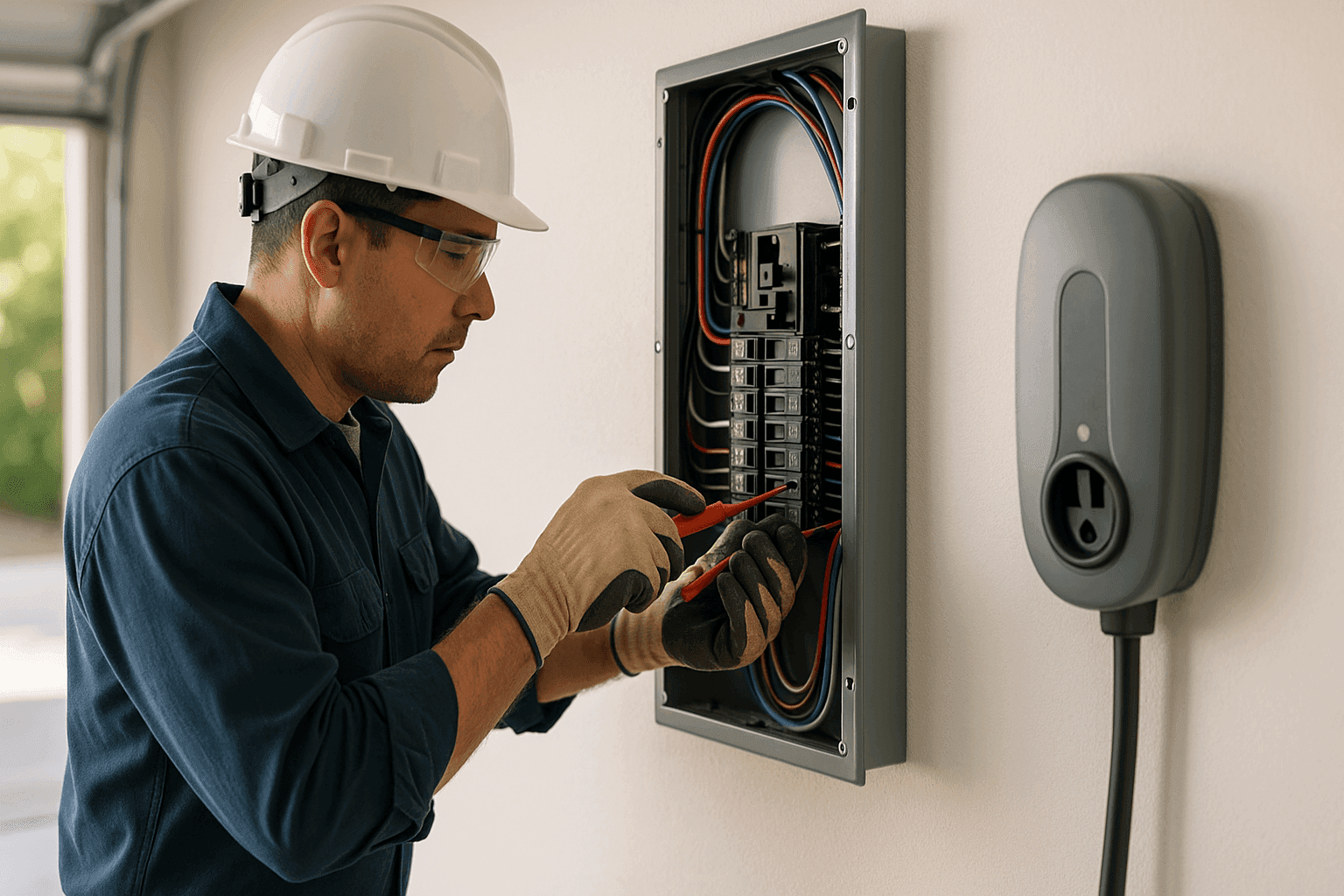
Ready to bring home a new electric vehicle? It’s an exciting moment—until you realize your garage’s old outlets and panel just aren’t up to the challenge. Charging at home is the ultimate convenience, but it takes more than plugging into the nearest socket.
At Heintz Electric, we see it every week: homeowners eager to charge faster, safer, and smarter. Upgrading your electrical system is more than a quick fix—it’s a future-ready investment. Let’s walk through what’s needed, why it matters, and how certified electricians make the difference.
EV Charging Needs ⚡
Driving electric changes everything about fueling up. Charging at home means you wake up every morning with a “full tank.” But your home’s electrical system—like the veins of your house—needs to handle this new, steady pulse of power.
Key needs for home EV charging:
- A dedicated, high-capacity circuit
- The right outlet or hardwired station for your EV
- Up-to-date electrical panel with enough capacity
- Proper safety features to protect your home
Most new EVs draw far more electricity than daily appliances. Level 2 chargers (240V) can require the same juice as a dryer or oven—sometimes more. That’s why a standard outlet just won’t cut it for daily charging.
The Problem: Old Panels, Big Demands
Many homes, especially those built before 2000, were never designed for today’s electrical loads. Adding an EV charger can push your panel past its limits, much like hosting a big party in a small kitchen. Overloaded panels can trip breakers, overheat, or worse.
If you’ve ever wondered why your lights flicker when the microwave and dryer run together, imagine what an EV charger would do! Upgrading is about more than convenience—it’s about safety.
Quick Safety Checklist
Before you even plug in:
- Check your electrical panel’s total amp rating (look for a sticker inside the door)
- Inspect for any rust, corrosion, or scorch marks
- Test ground fault circuit interrupters (GFCIs) in your garage
- Know the age of your wiring—cloth-covered or aluminum? Time for a pro to take a look!
If any of these raise questions, it’s best to pause and call a qualified electrician for an EV Chargers.
Upgrade Steps: What’s Involved?
Let’s break down the upgrade journey, step by step.
1. Assessing Panel Capacity
First, your electrician checks your main panel’s available amperage. Modern EV charging often needs a 40- to 50-amp dedicated circuit. If your panel is already maxed out, you’ll need an upgrade—think of this as widening a narrow hallway so more people (or power) can move through safely.
2. Adding a Dedicated Circuit
EV chargers require their own “lane.” A dedicated circuit, properly sized for your vehicle and charger, prevents tripped breakers and keeps other appliances running smoothly. National Electrical Code (NEC) 625.40 is clear: no sharing with other loads.
3. Choosing the Right Outlet or Hardwired Station
Depending on your car, you’ll need a specific outlet (NEMA 14-50 is common) or a hardwired unit. Your electrician will install the outlet at the perfect height and location—no more extension cords snaking across the garage!
4. Upgrading Panels & Breakers (If Needed)
Older or undersized panels often need a full replacement. This is a big job, but it’s the foundation for safe, reliable charging (and future upgrades). For more on this, see our Panels & Breakers service.
5. Wiring & Safety Checks
All wiring must be sized for the charger’s load and protected from physical damage. GFCI protection is required in most garages, and surge protection is strongly recommended to safeguard both your car and home electronics.
Professional Installation: Why Certification Matters 👷
DIY might work for a bookshelf, but not for high-voltage EV chargers. Certified electricians follow the NEC, local codes, and manufacturer instructions. They pull permits, schedule inspections, and ensure every wire, breaker, and outlet is up to code.
With a certified installation, you get:
- Proper permits and code compliance
- Panel upgrades that support future needs (think solar, batteries, more EVs)
- Safe, reliable wiring—no shortcuts, no worries
- Documentation for insurance and future resale
The U.S. Department of Energy and National Fire Protection Association both stress the importance of professional installation for EV charging (see their guidance for more details).
Common Mistakes Homeowners Make
It’s tempting to cut corners. Here’s what we see most:
- Using a standard 120V outlet for daily charging (slow and risky)
- Overloading old panels without upgrading
- Skipping permits or inspections
- DIY wiring—leading to insurance headaches or fire risk
Remember, electricity is invisible but powerful. A shortcut today can become a costly repair tomorrow.
The Timeline & What to Expect
Most EV charger upgrades take 1–2 days, depending on your panel and wiring. Panel upgrades or trenching for detached garages can extend the timeline. Expect a brief power shutdown—your electrician company will schedule this when it’s least disruptive.
Materials & Equipment: What’s Used?
- New breaker (40–50 amp, brand-matched to your panel)
- High-quality wire rated for 240V loads
- GFCI protection
- Weatherproof outlet box (if outdoors)
- EV charger unit (supplied by you or sourced by your electrician)
- Surge protection (recommended)
Quality matters. Think of your EV charger as a high-speed refueling station—not the place to skimp on parts.
Safety Codes & Inspections
NEC 625 governs EV charging, but local codes can add extra rules. All work should be inspected by your city or county authority. Permits aren’t just paperwork—they’re your assurance that the job was done right.
Future-Proofing for Faster Charging
Maybe you only have one EV now. But what about when the next car is electric? Or you add home solar, a new hot tub, or a second charger? Upgrading your panel now can save you thousands later.
Ask your electrician about oversizing circuits and conduit. It’s like planning a road with extra lanes for future traffic.
Signs of Trouble After Installation
Watch for:
- Breakers tripping during charging
- Warm or buzzing outlets
- Flickering lights when the charger runs
- Error messages on your EV or charger
If you notice any of these, unplug and call an electrician right away.
Prevention & Maintenance
Like any major system, your EV charging setup benefits from regular checkups:
- Annual safety inspection by a licensed electrician
- Tightening connections, checking for corrosion
- Testing GFCI and surge protection devices
Proactive care keeps you charging worry-free for years.
DIY vs. Call a Pro
Some projects invite DIY. EV charger installation isn’t one of them. The risks—fire, shock, voided warranties—aren’t worth it. Pros bring tools, training, and the ability to spot hidden dangers. Plus, your city or insurer may require professional sign-off.
Emergency? When to Call Immediately
If you smell burning, see smoke, or your panel feels hot—stop, unplug, and call for emergency service. Electrical fires can move fast. Even if it’s after hours, a 24-hour electrician can respond.
FAQ: Common Homeowner Questions
How much does it cost?
Costs vary by panel size, wiring needs, and charger type. Most upgrades run $1,000–$3,000, more with panel replacement.
Can I charge outside?
Yes, with a weatherproof outlet and outdoor-rated charger.
Will I need a bigger service from the utility?
Sometimes. Your electrician will check your total load and advise if a service upgrade is needed.
Is a permit really necessary?
Absolutely. It’s required for safety and insurance.
Seasonal Considerations
Extreme cold or heat can affect both charging speed and panel performance. Your electrician will choose materials rated for your climate and location.
Serving Your Neighborhood
If you’re searching for an electrician contractor in Racine, Heintz Electric has the experience and certifications to make your home EV-ready—safely, efficiently, and by the book.
Ready to plug in and charge up?
Call Heintz Electric now — or reach us anytime at 877-315-8745 .