How Electricians Diagnose Faults in Residential Wiring
Modern homes pulse with electricity. But when something goes wrong, it isn’t always obvious where the trouble hides. Flickering lights, outlets that stop working, or mysterious buzzing sounds—these are more than just annoyances. They’re warning signs that deserve attention.
At Heintz Electric, our licensed electricians know that your family’s safety comes first. Diagnosing faults in residential wiring is a blend of science, experience, and careful detective work. Let’s dive into how the process works—and why it matters for every home.
Signs of Trouble: How Do You Know Something’s Wrong?
Sometimes the clues are obvious. Other times, they’re subtle. Here’s what to watch for:
- Lights that dim or flicker, especially when appliances turn on
- Outlets that feel warm or stop working
- Burning or “fishy” smells near outlets or switches
- Frequent breaker trips or fuses blowing
- Buzzing, crackling, or popping sounds behind walls
- Shocks when touching appliances or fixtures
If you notice these symptoms, don’t ignore them. They’re like a warning light on your car’s dashboard—small now, but hinting at bigger problems under the surface.
Common Fault Types 🛠️
Electrical faults come in many forms, each with unique risks:
- Short Circuits: When wires touch that shouldn’t, causing a sudden surge.
- Open Circuits: A break in a wire stops current from flowing.
- Ground Faults: Electricity takes an unintended path, potentially causing shock or fire.
- Overloaded Circuits: Too many devices draw more power than the wiring can handle.
- Loose Connections: Screws or wires that aren’t tight can spark or heat up.
Each fault type needs a different approach. That’s why guessing—or quick fixes—can do more harm than good.
Quick Safety Checklist for Homeowners
Before doing anything with your home’s wiring, remember these steps:
- Never touch exposed wires.
- Turn off power at the breaker box before investigating.
- Do not use water near electrical faults.
- If you smell burning, call an electrician right away.
- Don’t try to fix wiring with makeshift tools.
When in doubt, step back and call a pro. Safety always comes first.
DIY vs. Call a Pro: Knowing Your Limits
Changing a lightbulb? That’s safe for most people. Replacing outlets or tracking down a hidden fault? That’s a different story.
Electricians go through extensive training—often thousands of hours—before they’re licensed to work on live circuits. They know how to stay safe, follow the National Electrical Code (NEC), and protect your home from hazards. A small mistake can lead to shocks, fires, or expensive repairs later.
What Pros Do On Arrival
When you call Heintz Electric for fault-finding, here’s what you can expect:
- Listen: We ask about what you’ve noticed—flickering lights, tripped breakers, odd smells.
- Visual Inspection: We look for obvious signs of overheating, discoloration, or damaged outlets.
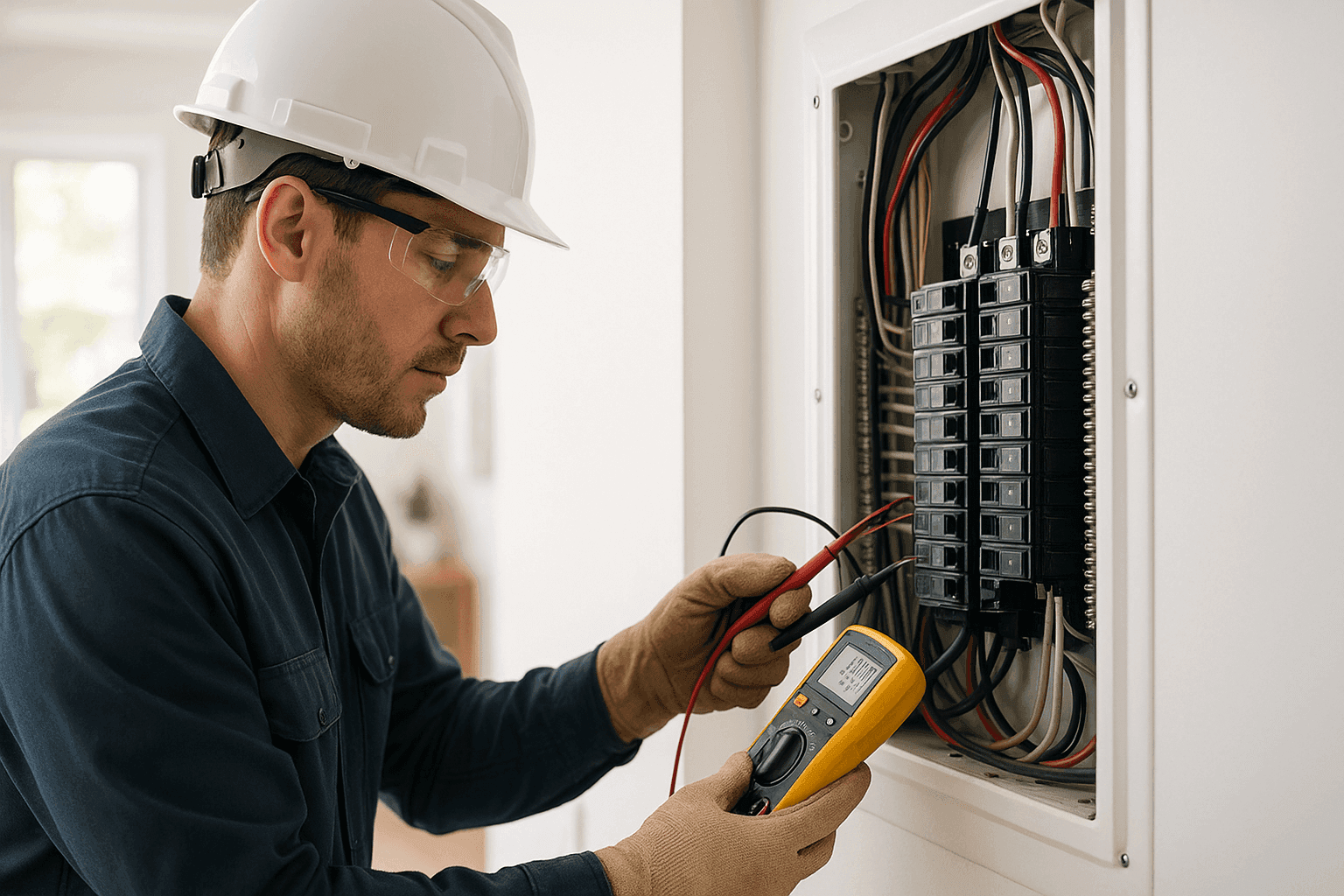
- Testing: Using specialized tools, we trace the path of electricity, looking for breaks or faults.
- Safety Assessment: If there’s a risk of fire or shock, we secure the area before starting repairs.
We treat each home as if it were our own, with safety and care at every step.
Diagnostic Tools: The Electrician’s Toolkit
Diagnosing wiring issues isn’t guesswork. It’s science, backed by precision tools:
- Multimeter: Measures voltage, current, and resistance. Think of it as a doctor’s stethoscope for wires.
- Circuit Tester: Checks if an outlet or switch is live.
- Clamp Meter: Measures current without touching bare wires.
- Non-Contact Voltage Tester: Detects live wires without any direct contact.
- Insulation Resistance Tester: Finds hidden leaks in wire insulation.
By combining these tools, electricians pinpoint the exact location and type of fault—no need for messy guesswork or tearing out walls.
The Repair Process: Step by Step
Once the problem is found, here’s how repairs typically unfold:
- Isolate the Faulty Area: Shut off power to the affected circuit.
- Remove Damaged Components: Outlets, switches, or sections of wire.
- Replace or Repair: Install new, code-compliant parts and wiring.
- Test Everything: Confirm the repair fixed the issue and didn’t create new problems.
- Restore Power: Turn circuits back on and double-check for safe operation.
Throughout, electricians follow strict safety protocols. Gloves, insulated tools, and lockout/tagout procedures are standard—no shortcuts.
Why Professional Diagnosis Matters
Electricity is invisible, but its dangers are real. A missed fault can mean:
- Hidden fire risk behind your walls
- Shocks that could harm family or pets
- Appliances that wear out or fail early
- Insurance claims denied, if work isn’t up to code
That’s why bringing in a licensed electrician isn’t just about fixing a problem—it’s about protecting your home and everyone in it.
Prevention & Maintenance Tips
A little prevention goes a long way. Here’s how to keep your wiring healthy:
- Schedule regular Wiring & Circuits.
- Don’t overload outlets or extension cords.
- Replace any outlet or switch that’s loose, cracked, or hot to the touch.
- Upgrade old wiring to meet modern safety standards.
- Install AFCI and GFCI protection where required by code.
For more, check guidelines from the National Fire Protection Association (NFPA) and your local building department.
Costs & Time Factors
Every home and fault is unique. Some repairs take minutes; others, hours. Costs depend on:
- Complexity of the fault
- Age and accessibility of wiring
- Parts or equipment needed
Getting a professional diagnosis early often saves money—small problems caught quickly are easier (and cheaper) to fix.
When It’s an Emergency
If you notice any of these, call a 24-hour electrician immediately:
- Smoke, fire, or burning smells from outlets or panels
- Repeated breaker trips that won’t reset
- Water near wiring after storms or leaks
- Shocks from switches or appliances
Your safety is worth more than waiting.
Timeline & Disruption: What to Expect
Most fault-finding visits last one to three hours. Larger repairs may take longer, especially if wiring is hard to reach. We work to minimize disruption—covering floors, cleaning up after, and explaining every step before we begin.
Common Mistakes Homeowners Make
- Ignoring small warning signs, hoping they’ll “go away”
- Using extension cords as permanent fixes
- Trying risky DIY repairs from online videos
- Skipping routine safety checks
Remember, electricity is powerful. Respect it.
FAQ: Quick Answers
Can I use a household tester myself?
You can check if an outlet is live, but deeper testing requires training and pro-grade tools.
Is old wiring always dangerous?
Not always—but it should be inspected regularly, especially if your home is 40+ years old.
How often should I have an inspection?
Every 3–5 years, or whenever you notice new symptoms.
Seasonal Considerations
Storms, heat waves, and winter cold can all stress your home’s wiring. After severe weather, check for new symptoms and schedule a safety inspection if needed.
Building Trust: Training & Safety Protocols
Heintz Electric’s team stays up to date with state and national codes, including the latest NEC revisions. We use insulated tools, wear protective gear, and test every repair before leaving your home. Safety isn’t just a checklist—it’s our core value.
Local Service, Real Support
If you’re searching for reliable Wiring & Circuits services or need an electrician who puts your safety first, Heintz Electric is here to help. We take pride in serving our neighbors with respect, skill, and a commitment to getting it right.
Electrical issues aren’t just about fixing wires—they’re about peace of mind. If you suspect a fault in your home’s wiring, don’t wait.
Call Heintz Electric now — or reach us anytime at 877-315-8745 .