Home Electrical Safety Checklist: How to Prevent Hazards Year-Round
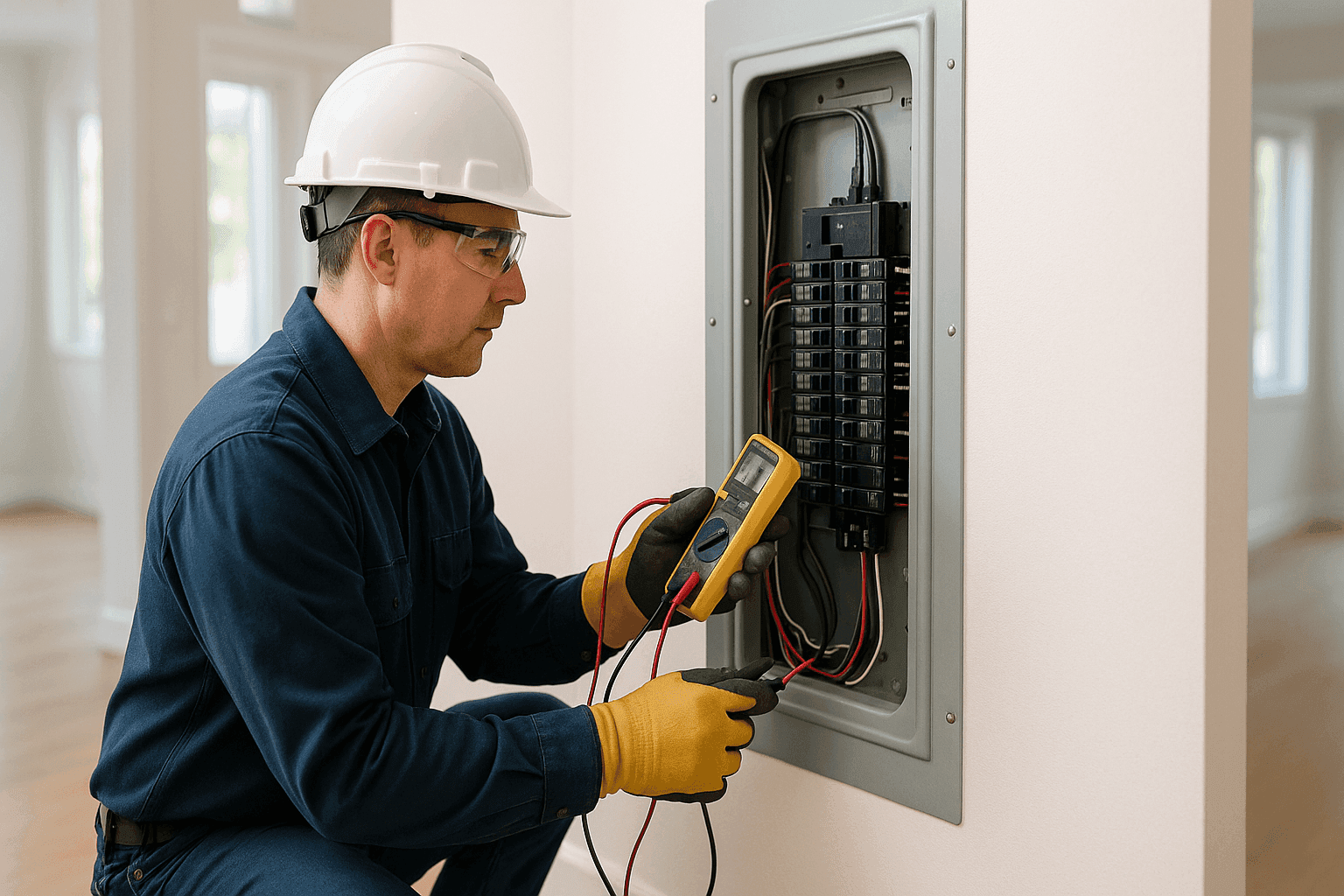
The Silent Threat: Why Electrical Safety Can’t Wait
Electricity hums quietly in the background of your home. Out of sight, out of mind—until something goes wrong. Frayed cords, buzzing outlets, or that faint burning smell? They can turn a peaceful evening upside down in seconds.
At Heintz Electric, we know your home is your safe haven. But safety doesn’t happen by accident. It comes from awareness, regular checks, and knowing when to call in a professional. Let’s walk through your home, room by room, and build habits that keep your family safe—year-round.
Kitchen: Where Power Meets Water
The kitchen is a hive of activity—and risk. Water, heat, and electricity mingle in close quarters. Here’s how to keep things running smoothly:
- Check outlets near sinks: Make sure they’re GFCI (Ground Fault Circuit Interrupter) protected. Press the “test” and “reset” buttons regularly.
- Watch for overloaded outlets: Don’t use extension cords for permanent appliance connections. Plug things like toasters and microwaves directly into wall outlets.
- Inspect appliance cords: Replace any with cracks, frays, or burn marks.
- Keep cords away from water: Never let cords dangle near sinks or wet counters.
- Wipe up spills fast: Water and electricity don’t mix. Clean up right away.
If your kitchen outlets spark or feel warm, it’s time for a safety check. Visit our Safety Checks page for service details.
Bathroom: Damp Spaces Demand Extra Care 🛁
Bathrooms are all about comfort—but they’re also filled with moisture. That means extra vigilance:
- GFCI outlets only: Every bathroom outlet should have GFCI protection.
- No extension cords: Never bring extension cords or power strips into the bathroom.
- Keep appliances dry: Hairdryers and razors should be unplugged and stored safely after each use.
- Look for rust or discoloration: This could mean water is seeping into your outlets or fixtures.
If you see flickering lights or hear buzzing, schedule an Electrical Safety Inspection right away.
Living Spaces: Family Rooms, Bedrooms, and Hallways
You spend most of your time here. Don’t let hidden hazards lurk in the walls or under the rugs:
- Don’t hide cords under carpets: This traps heat and can cause wear.
- Check for warm outlets: Outlets should never feel hot.
- Test smoke and carbon monoxide detectors: Replace batteries every six months.
- Childproof outlets: Use safety covers if young kids are present.
- Inspect lamps and surge protectors: Signs of melting or discoloration mean it’s time to replace.
A safe living room is a relaxing one. If you notice circuit breakers tripping often, it might be time to rewire or upgrade your panel.
Garage: Power Tools and High Voltage Hazards
The garage often houses heavy-duty equipment. Here’s what to watch for:
- Don’t overload outlets: Use outlets designed for your tools’ amperage.
- Keep flammables away from outlets: Gas cans and paint should be stored far from electrical sources.
- Check extension cords: Use only outdoor-rated and undamaged cords.
- Look for exposed wiring: Rodents and moisture can cause damage.
- Label breakers: Know which breaker controls the garage. In an emergency, you’ll need to act fast.
If you’re considering installing a generator or EV charger, always use a licensed electrician for proper Electrical System Installation near you.
Outdoor Areas: Weather and Wildlife
From patios to poolside, outdoor wiring faces extra challenges:
- Use weatherproof covers: All exterior outlets should have them.
- Check for tripped GFCIs: Test after heavy rain or storms.
- Inspect lighting and pool equipment: Broken fixtures or exposed wires can be deadly.
- Clear away debris: Leaves and mulch can hide hazards.
- Update old fixtures: Rust or cracked casings mean it’s time for an upgrade.
Storms and changing seasons bring new risks. Consider an annual electrical safety inspection each spring and fall.
Warning Signs: When Your Home Sends a Signal
Sometimes, your house tries to tell you something’s wrong. Listen for these red flags:
- Repeatedly tripping breakers
- Flickering or dimming lights
- Outlets or switches that buzz, pop, or feel warm
- Burning smells, even faint ones
- Outlets that don’t hold plugs securely
These aren’t just annoyances—they’re urgent warnings. If you spot them, stop using the circuit and call an electrician.
Power Cords and Outlets: Small Habits, Big Difference ⚡
A tangle of cords behind the TV. An extension cord running under a rug. These shortcuts can become big problems:
- Always use cords rated for the load.
- Never “daisy chain” extension cords or power strips.
- Replace damaged cords immediately.
- Unplug unused appliances.
- Keep cords visible and away from walkways.
Simple habits today can prevent electrical fires tomorrow.
Childproofing Your Home: Protecting Little Explorers
Kids are curious by nature. Electrical outlets and cords can be magnets for small hands.
- Install tamper-resistant outlet covers.
- Hide cords behind furniture or use cord concealers.
- Teach kids early: “No touching outlets or plugs.”
- Keep nightlights and chargers out of reach.
Childproofing is about peace of mind. The right precautions make a safer, happier home.
DIY vs. Professional Checks: Know Your Limits
Changing a lightbulb is one thing. Replacing wiring is another. Some tasks are safe for a confident homeowner:
- Replacing switch/outlet covers
- Testing GFCI outlets
- Swapping out lightbulbs
But for anything more—new circuits, breaker panels, generator installation—call a licensed electrician. Mistakes aren’t just costly. They can be dangerous.
What Heintz Electric Looks For During Inspections
When you schedule a Safety Check with Heintz Electric, here’s what happens:
- Visual inspection of all outlets, switches, and fixtures
- Testing of GFCI and AFCI (Arc Fault Circuit Interrupter) devices
- Checking for proper grounding and bonding
- Inspecting the electrical panel for age, corrosion, and correct labeling
- Verifying smoke and carbon monoxide detector placement and function
- Reviewing appliance wiring and surge protection
We follow recommendations from the National Electrical Code (NEC) and NFPA guidelines to keep your home up to standard.
The Cost of Skipping Maintenance
Ignoring small problems is like ignoring a rattle in your car’s engine. Over time, minor issues can grow:
- Worn wires heat up and spark
- Outdated panels can’t handle modern loads
- Small shorts can start big fires
Routine safety checks are an investment in your peace of mind—and your property value.
When It’s an Emergency: Don’t Wait
Certain signs mean you should stop what you’re doing and call an electrician now:
- Sparks or visible fire
- Burning electrical smell
- Complete loss of power to part of your home
- Water leakage into outlets or fixtures
If you’re ever unsure, it’s better to err on the side of caution. Electrical emergencies don’t wait until morning.
Seasonal Reminders: Storms and Holidays 🎄
Different times of year bring their own challenges:
Storm Season:
- Test and reset all GFCIs after major storms.
- Inspect outdoor wiring and generators.
- Make sure your sump pump is plugged directly into a GFCI outlet.
Holidays:
- Don’t overload circuits with lights and decorations.
- Inspect all holiday cords and lights for damage.
- Turn off outdoor displays before bed.
Planning ahead means fewer surprises—and safer celebrations.
Building a Safer Home: Code Compliance and Licensed Inspections
Electrical codes exist for a reason. They’re the rulebook for keeping homes safe. Licensed electricians keep up with the latest requirements so you don’t have to.
- Regular inspections catch hidden problems.
- Repairs and upgrades keep your system current.
- Documentation provides proof of safety for insurance or home sales.
If you’re looking for an Electrician contractor, Heintz Electric is here to help.
Action Steps: Your Room-by-Room Checklist
- Test all GFCI outlets monthly
- Inspect and replace damaged cords
- Childproof outlets and secure cords
- Schedule annual electrical safety inspections
- Keep smoke and carbon monoxide detectors current
- Unplug unused appliances
- Update old or damaged fixtures
Small steps lead to big results. Make electrical safety a habit, and you’ll enjoy peace of mind all year long.
Ready for a Safer, Brighter Home?
Electrical safety isn’t a one-time project—it’s an ongoing commitment. Whether you need a quick safety check, an upgrade, or emergency help, Heintz Electric is just a call away.
Call Heintz Electric now — or reach us anytime at 877-315-8745 .