What Happens During a Home Electrical Safety Inspection?
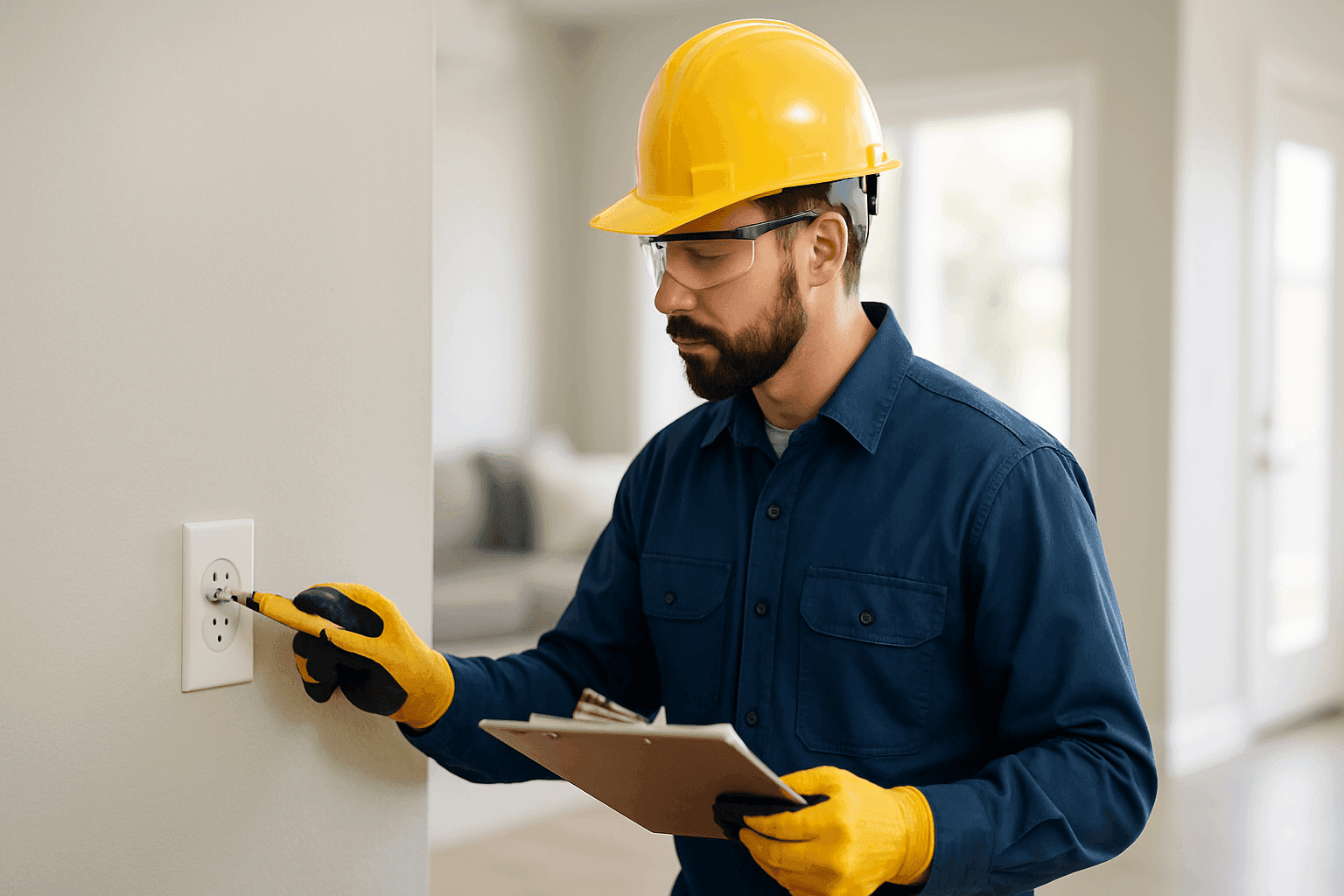
Electricity powers your world, but it’s easy to take for granted—until something goes wrong. Maybe it’s that strange buzzing at your breaker panel or a burning smell near an outlet. Sometimes, it's just the nagging worry: “Is my home really safe?”
That’s where a home electrical safety inspection comes in. At Heintz Electric, we walk homeowners through the process, step by step, so there are no surprises. Let’s open the panel and shine a light on what really happens during an inspection.
Why Inspect? ⚡️
Think of your electrical system like the heart of your home. If it skips a beat or works too hard, the results can be dangerous. Fires. Shocks. Lost appliances. The National Fire Protection Association (NFPA) finds that electrical failures are a leading cause of home fires.
But it’s not just about emergencies. Regular electrical safety inspections catch problems early—before they become costly or life-threatening. Inspections are also required when you buy, sell, or renovate a home, and after major storms or flooding.
What’s Checked
A home electrical safety inspection is a full walkthrough, not just a quick peek behind an outlet cover. Your electrician checks:
- Main electrical panel: Signs of overheating, corrosion, and loose connections.
- Subpanels and circuits: Are they labeled and properly rated?
- Outlets and switches: Testing for tightness, discoloration, and GFCI/AFCI function.
- Wiring: Looking for outdated, damaged, frayed, or improperly spliced wires.
- Grounding and bonding: Ensuring your system can safely direct stray voltage away.
- Smoke & carbon monoxide detectors: Placement, age, and battery backup.
- Surge protection: Is it installed? Is it up to the job?
- Lighting fixtures: Secure mounting and correct bulb wattage.
- Pool & spa circuits: Safe wiring and GFCI protection.
- EV chargers, appliances, and generators: Proper installation and dedicated circuits.
We also check that everything meets the National Electrical Code (NEC) and any local rules.
The Arrival: First Impressions Matter
When your electrician arrives, it’s more than just a toolbox. We’re detectives—listening, looking, and asking questions. Any past issues? Recent power surges? Flickering lights? A quick walk-through reveals visible hazards—like overloaded outlets or extension cords snaking across rooms.
Fast Safety Checklist for Homeowners
Before we go deep, here’s a quick list you can check:
- Are outlets warm or scorched?
- Do breakers trip for no reason?
- Any buzzing or crackling at panels?
- Extension cords used for permanent power?
- GFCIs missing in kitchens, baths, or outdoors?
- Lights flickering or dimming when appliances run?
If you said “yes” to any of these, you’re in the right place.
Panels and Breakers—The Nerve Center
Your main panel is the command post. We look for:
- Rust, moisture, or rodent evidence.
- Over-sized or doubled-up breakers.
- Signs of arcing or burning.
If breakers are tripping, we trace the line—sometimes it’s a simple fix, other times it reveals a deeper wiring issue.
Outlets & Switches—The Front Line
Outlets and switches are the places you interact with electricity daily. We test for:
- Secure mounting, tight wiring, and no cracks.
- GFCI and AFCI operation—these devices trip power if a fault is detected.
- Correct polarity and grounding.
A single loose connection can spark a fire. Our tools find these fast.
Wiring & Circuits—Behind the Walls
What’s hidden can hurt you. We check visible wiring for:
- Age and material (knob-and-tube, aluminum, or modern copper).
- Signs of amateur repairs.
- Damaged insulation or exposed wires.
If we find risks, we recommend rewiring only what’s needed.
GFCIs & AFCIs—Life-Saving Devices
Ground Fault Circuit Interrupters (GFCIs) and Arc Fault Circuit Interrupters (AFCIs) are like life jackets for your circuits. They trip power the moment a fault is detected—protecting you from electrical shocks and fires. We check these in:
- Kitchens and bathrooms
- Laundry rooms
- Garages and outdoor areas
- Bedrooms (AFCIs)
Every GFCI has a “test” button. If it doesn’t work, it’s time for a replacement.
Smoke & Carbon Monoxide Detectors—Silent Guardians
Code requires working smoke and carbon monoxide detectors in key locations. We check:
- Age (most need replacing every 10 years)
- Battery backup
- Proper placement—especially outside sleeping areas and on every level
We also recommend interconnected units for the fastest alert.
Surge Protection—Guard Against the Unexpected
Lightning, utility surges, and big appliances can fry your electronics in an instant. Whole-home surge protectors, installed at the panel, add a vital layer of defense. We check for:
- Installation of Type 1 or Type 2 surge protection (per NEC 2023)
- Proper grounding
If you rely on sensitive electronics, this is a must.
Lighting—Brighten, Don’t Burn
Lighting upgrades add beauty and safety. But improper fixtures, loose wiring, or wrong bulbs can start a fire. We verify:
- Fixtures are rated for their location (damp/wet rooms)
- Correct bulb wattage
- Secure mounts and no exposed wires
We’ll suggest safer, energy-saving options if needed.
Appliances & High-Voltage—Heavy Lifters
Your oven, dryer, and HVAC pull serious power. We check that:
- All appliances have dedicated circuits
- Wiring and breakers are properly sized
- Outlets are grounded
For pool and spa circuits, extra moisture protection is crucial.
Low Voltage & Smart Home—Modern Needs
Modern homes run on more than just lights. We inspect:
- Doorbells, intercoms, and security system wiring
- Data, phone, and internet cabling for frays or interference
We’ll flag any upgrades to keep your smart home running smoothly.
Code Compliance—No Corners Cut
Electrical codes change often. We stay current with NEC, NFPA, and local codes so your home is always up to date. We’ll explain any violations and what they mean for your safety.
Post-Inspection Steps 📝
Once the inspection is done, you’ll get a detailed report—plain language, no mystery codes. Here’s what typically happens next:
- List of findings: What’s safe, what needs attention, and what’s urgent.
- Recommended repairs: Prioritized by safety and cost.
- Maintenance tips: How to keep things running smoothly.
We always recommend documenting everything. Your inspection report is proof of code compliance and can help with insurance, home sales, or renovations.
Emergency? When To Call Now
If you notice burning smells, sparking outlets, or repeated breaker trips, don’t wait. Call for emergency help. These may signal immediate fire or shock risks.
Heintz Electric offers Electrical Safety Inspections for urgent problems—because sometimes, waiting isn’t an option.
DIY or Call the Pros?
Some things are great for DIY—changing a light bulb, for example. But electrical work isn’t one of them. Mistakes can be deadly. Licensed electricians have the training and tools to keep you safe and compliant.
How Often Should You Inspect?
Most homes benefit from a professional inspection every 3-5 years, or:
- Before buying or selling
- After major storms or renovations
- If your home is over 40 years old
Regular Safety Checks add peace of mind and value.
What About Costs and Disruption?
Inspections are typically quick—most take 1-2 hours for average homes. Minimal disruption. If repairs are needed, we’ll provide clear options and timelines. No surprises.
Common Mistakes We See
- Overloaded circuits and power strips
- DIY wiring splices
- Ignored breaker trips
- Outdated panels (Federal Pacific, Zinsco)
- Missing GFCIs in wet areas
Spot these early, and you’ll save money—and maybe your home.
Resources for Homeowners
Want to learn more? The National Electrical Code (NEC), National Fire Protection Association (NFPA), and Electrical Safety Foundation International (ESFI) all offer great safety guidelines.
If you’re in the area looking for Electrical Safety Inspections, our team is ready to help.
Ready to schedule your inspection? Call Heintz Electric now — or reach us anytime at 877-315-8745 .