The Homeowner’s Guide to Electrical Code Compliance
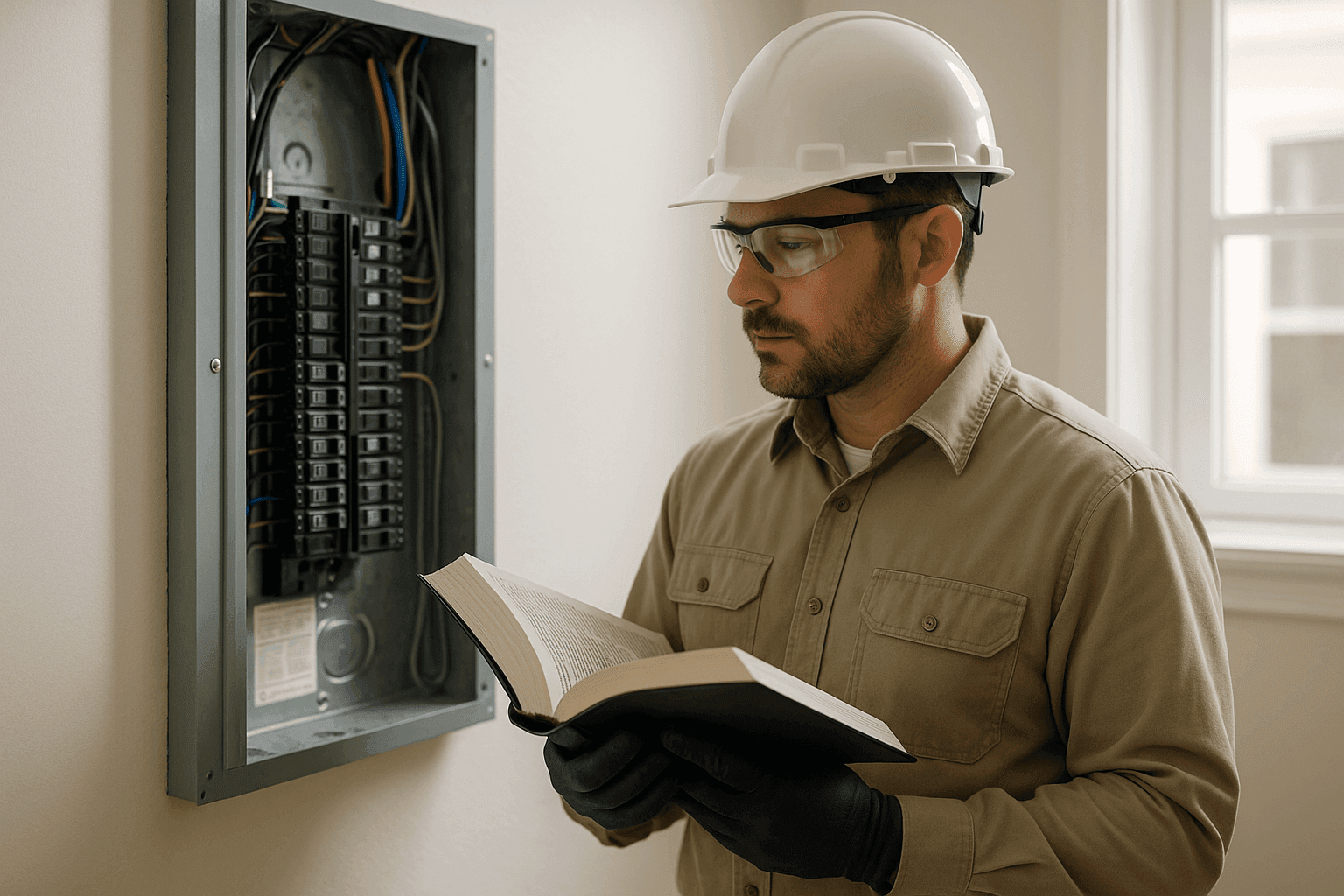
Electricity is the lifeblood of our homes. But it can turn from friend to foe in an instant if wiring is outdated, overloaded, or just plain wrong. If you’re planning an upgrade, troubleshooting a recurring issue, or just want peace of mind, understanding electrical code compliance matters more than ever.
At Heintz Electric, we see it all—quick fixes that almost worked, DIY projects that spiraled, and the silent risks that hide behind your walls. Let’s walk through what code compliance means, why it’s a must (not a maybe), and how you can keep your home safe, legal, and future-ready.
What is Electrical Code?
Imagine your electrical system as a highway. Every switch, wire, and panel is a lane or intersection. The National Electrical Code (NEC) is the rulebook that keeps traffic flowing safely—no accidents, no roadblocks.
The NEC, updated every three years, is adopted by most local governments. It lays out requirements for installing, maintaining, and inspecting electrical systems. Think of it as the difference between a well-marked road and a dangerous shortcut through the woods.
Key Components of the Code
- Proper wire sizing and insulation
- Safe outlet and switch placement
- Correct use of circuit breakers and panels
- Grounding and bonding requirements
- Rules for wet locations (bathrooms, kitchens, outdoors)
The code isn’t just for new homes. Any time you upgrade, repair, or add a new appliance, those rules apply.
Why It Matters ⚡
Staying compliant isn’t just about avoiding fines. It’s about protecting your loved ones and your investment.
- Shock and Fire Prevention: Most electrical fires start with code violations—overloaded circuits, improper wiring, or missing ground fault protection.
- Insurance Claims: Many insurance policies won’t cover damage caused by unpermitted or non-compliant work.
- Home Value: Code violations can tank your home’s value or derail a sale during inspection.
- Legal Requirements: Local governments require permits and inspections for major changes. Skipping this step can mean fines or forced rewiring.
The bottom line: electrical code compliance is about safety, security, and savings.
Common Pitfalls Homeowners Face
Even well-meaning DIYers can land in hot water. Here’s where things often go wrong:
- Using the wrong wire gauge for high-demand appliances
- Overstuffing outlet boxes
- Not installing enough outlets (leading to dangerous extension cord use)
- Failing to install GFCI outlets in kitchens, bathrooms, or outdoor areas
- Skipping permits or inspections
If you’re unsure, remember: What’s invisible today could cause headaches—or hazards—tomorrow.
Quick Safety Checklist
Want to spot the obvious risks before they bite? Walk through your home and look for:
- Outlets that spark or feel hot
- Flickering lights
- Breakers that trip repeatedly
- Extension cords hiding under rugs
- Outlets within six feet of a water source without GFCI protection
If you check “yes” on any of these, it’s time to call a licensed electrician.
DIY vs. Call a Pro
Changing a lightbulb? Go for it. Rewiring a kitchen? That’s another story.
Small projects like replacing a broken outlet cover or upgrading to LED bulbs are usually safe for handy homeowners. But anything involving new wiring, breaker panels, or wet locations should always be handled by a licensed electrician.
Why? Because professionals:
- Know the latest code changes
- Carry insurance and certifications
- Pull permits and schedule inspections
- Can spot hidden hazards you might miss
If you’re searching for "Electrical System Installation near you" or need a quick safety check, don’t risk cutting corners. The cost of a mistake can be far higher than the price of a pro.
What Pros Do On Arrival
When you call Heintz Electric, here’s what to expect:
- We listen to your concerns and walk through the problem areas
- Use specialized tools to check wiring, outlets, and panels
- Test for proper grounding and load balancing
- Advise on repairs or upgrades needed for code compliance
We’ll never leave you in the dark—literally or figuratively.
Prevention & Maintenance
Think of electrical systems like your car. Regular tune-ups mean fewer breakdowns and safer drives.
- Schedule periodic Electrical Safety Inspections
- Replace outlets or switches that show signs of wear
- Upgrade old fuse boxes to modern breaker panels
- Install surge protection for electronics and appliances
- Test smoke and carbon monoxide detectors monthly
Maintaining your system also means keeping up with evolving code requirements. What was fine 20 years ago might be a no-go today.
Costs & Time Factors
Worried about the disruption? Most code-related repairs or upgrades don’t take as long—or cost as much—as you might think.
- Minor fixes (like adding GFCI outlets): often done in under an hour
- Panel upgrades: usually a day
- Whole-home rewiring: may take a week, but can be staged room by room
Getting a clear estimate up front helps avoid surprises.
When It’s an Emergency
Certain situations call for immediate professional help:
- Burning smell from outlets or panels
- Visible sparks or arcing
- Power loss in major parts of your home
- Repeated breaker trips for no clear reason
Don’t wait. Turn off the power at the main panel and call for emergency electrician service.
Getting Inspected 🕵️♂️
Inspections aren’t just red tape—they’re a second set of eyes to keep your home safe.
What Inspectors Look For
- Properly secured wiring and conduit
- Correct breaker sizes and panel labeling
- GFCI and AFCI protection where needed
- Safe, accessible electrical panels
- Up-to-date Certificates for major installations
Passing inspection means you’re good to go. Failing? You’ll get a list of corrections, and a reputable electrician will help you fix them.
Tips for Staying Compliant During Upgrades & Repairs
- Always pull permits for major work
- Choose products that are UL-listed or certified by recognized safety organizations
- Keep records of any certificates or inspections
- Don’t ignore small problems—they rarely fix themselves
- Ask your electrician to walk you through changes or upgrades in plain language
Code and Your Renovation Timeline
Big project coming up? Plan for inspections at key milestones—after rough wiring, before drywall, and at project completion. This keeps things moving and avoids costly do-overs.
Common Mistakes (and How to Avoid Them)
- Mixing copper and aluminum wiring without proper connectors
- Overloading a single circuit with high-wattage appliances
- Leaving junction boxes buried behind drywall
- Installing outlets upside down (yes, it matters for certain applications)
If you’re ever in doubt, consult the NEC or reach out to a local electrician.
Signs of Trouble: Know When to Act
- Buzzing or crackling from outlets
- Outlets that wiggle or won’t hold plugs
- Lights that dim when appliances turn on
- Discoloration or scorch marks on switches or outlets
These are warning signs—don’t ignore them.
Season Matters: Weather and Code Compliance
Extreme heat, cold, or humidity affects wiring and connections. Pool and spa wiring also has special code requirements. Spring and fall are great times for a safety inspection before weather puts your system to the test.
Certificates: Your Proof of Safety
After any major install or upgrade, you should receive Certificates verifying code compliance. This paperwork is your protection when selling, insuring, or refinancing your home.
If you need more information, the National Fire Protection Association (NFPA), which publishes the NEC, is a trusted resource for homeowners.
Electrical Work: Always Licensed, Always Certified
At Heintz Electric, every technician is fully licensed, certified, and trained on the latest code updates. We pull permits, coordinate inspections, and back up our work with the right documentation—so you never have to worry about what’s hidden behind the walls.
For homeowners in the area, we’re proud to be your go-to electrician specialists. If you’re looking for an electrician who puts safety and code compliance first, you’re in the right place.
Ready for Peace of Mind?
Electrical code compliance isn’t just about following rules. It’s about building a safer, smarter home—one outlet, switch, and breaker at a time.
Call Heintz Electric now — or reach us anytime at 877-315-8745 .