Installing an EV Charger at Home: Step-by-Step Guide
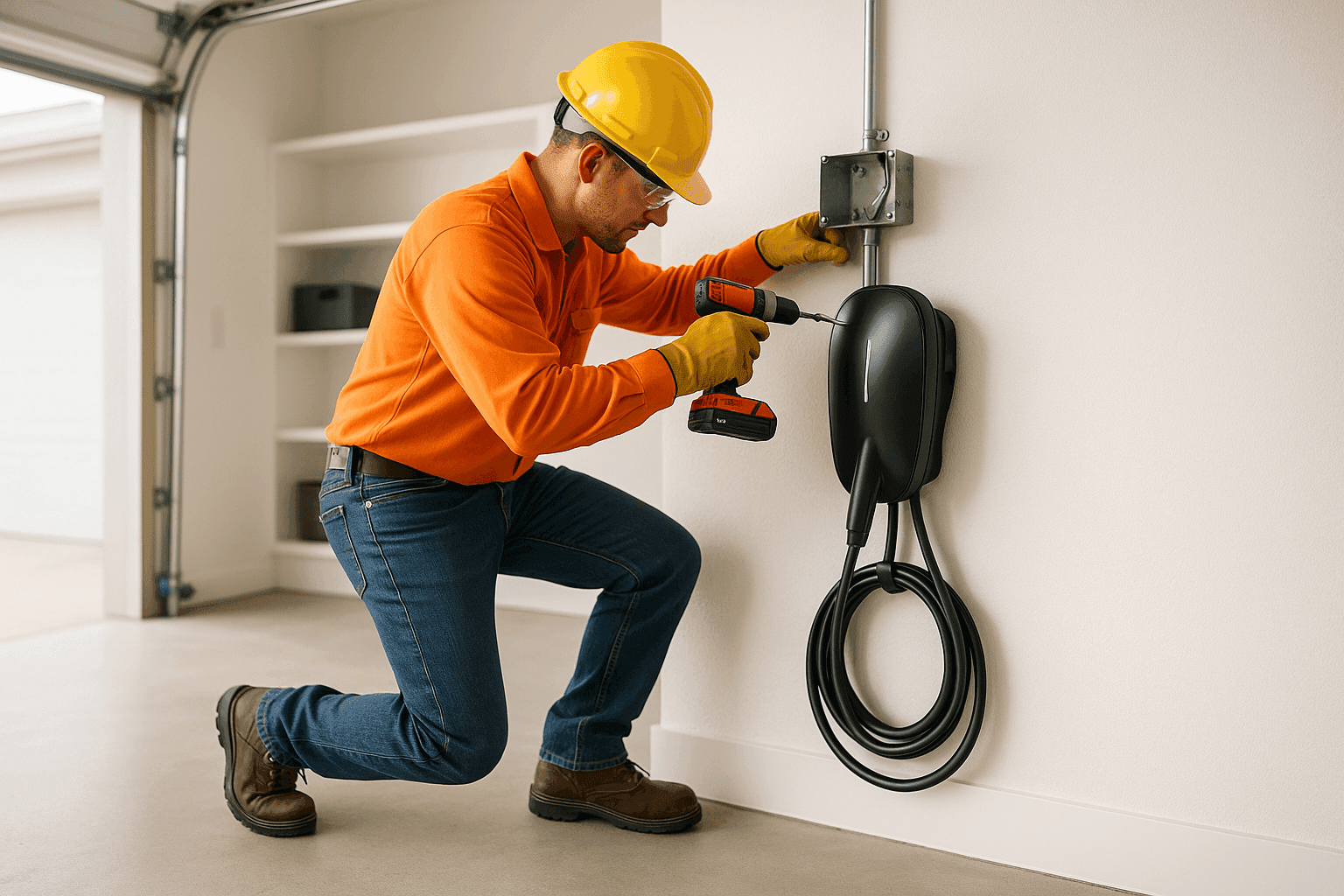
Are you watching electric cars zip by and wondering how you can charge one at home? Maybe you’re tired of waiting in line at public chargers, or you’re planning for the future. Installing an EV charger at home can feel overwhelming—but with the right information and a qualified electrician, it’s a smooth ride.
At Heintz Electric, we know what it takes to turn your garage into a reliable fueling station. This guide breaks down the entire process, step by step, so you know what to expect—and why calling in a pro is always the best move.
Why Home EV Charging Matters
Home charging is a game-changer. It’s like having your own personal gas station, minus the fumes. You plug in at night, wake up to a full “tank,” and hit the road. It saves time, adds convenience, and for many, it’s a must-have feature in a modern home.
But installing an EV charger isn’t just plugging in a fancy extension cord. It involves real power. Real safety risks. Real planning. That’s why a licensed electrician is essential.
Types of Chargers ⚡
Before you start, you’ll need to choose the right charger. Here’s a quick breakdown:
- Level 1 Charger: Plugs into a standard 120V outlet. Slow—think 3–5 miles of range per hour. Good for hybrid cars or minimal daily driving.
- Level 2 Charger: Needs a 240V outlet, like a dryer or oven. Delivers 15–30 miles of range per hour. Most homeowners choose this for daily EV use.
- DC Fast Charger: Found at public stations. Not generally installed at home due to massive power needs and high cost.
For most homes, a Level 2 charger is the sweet spot. It’s fast, efficient, and fits most driving habits.
Assessing Your Electrical System
Think of your home’s electrical panel as the heart pumping power through your house. Adding an EV charger is like asking that heart to run a marathon. Is your panel up to the task?
- Check available amperage: Level 2 chargers need a dedicated 240V circuit, typically 30–50 amps.
- Age of panel: Old panels may need upgrades before a new circuit can be added.
- Existing load: Running too many high-powered devices can strain the system.
A professional can run a load calculation—as recommended by the National Electrical Code (NEC)—to ensure your system won’t be overloaded.
Site Preparation: Location and Layout 🏡
Where you put your charger matters. Here’s what to consider:
- Proximity to panel: Shorter runs mean lower cost and simpler install.
- Weather protection: Outdoor-rated units are a must if charging outside.
- Accessibility: Make sure the cord can reach your car’s charging port comfortably.
- Parking habits: Where do you usually park? Consistency keeps things easy.
Clearing the area and planning ahead saves time when installation day arrives.
Permitting and Inspections
You can’t just “go for it” when installing high-powered electrical equipment. Most cities and counties require a permit. Why? Because safety matters. Permits ensure the work meets code and keeps your home safe.
- Apply before work starts. Your electrician will handle this.
- Inspection post-install. A local inspector checks the work before you start charging.
Skipping permits can lead to fines, safety issues, and insurance headaches.
Installation Steps: What to Expect
Here’s how a typical home EV charger installation unfolds:
- Assessment & Quote
The electrician visits, checks your panel, and prepares a plan. - Permitting
They pull the needed permits with local authorities. - Panel Work
If required, upgrades or new breakers are installed. - Running the Circuit
Dedicated wiring is routed from your panel to the charger location. - Charger Mounting
The charging unit is securely fastened—indoors or out. - Wiring & Connections
All connections are made, double-checked, and safely enclosed. - Testing
The system is tested under load to ensure proper operation. - Inspection
The city or county inspector reviews the work. - First Charge!
You’re ready to power up your EV at home.
Every project is unique, but the roadmap stays the same.
Quick Safety Checklist
Safety isn’t optional. Follow these key points:
- Always use a licensed electrician for any high-voltage work.
- Never use extension cords for permanent EV charging.
- Ensure the charger is UL-listed or certified by a recognized lab.
- Keep the charging area dry and clear of clutter.
- Install ground fault protection as required by the NEC.
Remember, electricity is powerful—respect it.
DIY vs. Call a Pro
Could you attempt this yourself? Technically, yes—if you’re a licensed electrician. For everyone else, it’s like doing your own dental work. The risks outweigh the savings.
A professional brings:
- Code knowledge (NEC and local amendments)
- Proper tools and materials
- Safe, clean workmanship
- Insurance and peace of mind
And if you ever sell your home, permitted, professional work is a big plus.
What Pros Do on Arrival
When the team from Heintz Electric arrives, here’s what you can expect:
- Friendly walkthrough of your options
- Careful inspection of your current electrical system
- Transparent explanation of any upgrades needed
- Clean, respectful work—no mess left behind
- Full testing of the system before we leave
You’re never left guessing what comes next.
Power Requirements: The Nitty-Gritty
Level 2 chargers typically need:
- 240 volts
- 30–50 amp dedicated circuit
- #8 or #6 gauge wiring, depending on length and amperage
Your electrician will match the charger’s needs to your home’s capacity. If your panel is full, you may need a subpanel or an upgrade. This isn’t a corner to cut—overloading circuits can cause fires.
Preventing Common Mistakes
These are the pitfalls we see most:
- Undersized wiring (can overheat)
- Skipping permits
- Incorrect breaker sizing
- Poor weatherproofing outside
- Inaccessible charger placement
Each mistake is a shortcut that can lead to expensive fixes or hazards down the road.
Timeline and Disruption
Most installs are completed in half a day to a full day, depending on complexity. If your panel needs upgrading or the run is long, it may stretch longer.
During installation, expect:
- Brief power shutoff (usually under an hour)
- Some noise from drilling or mounting
- A tidied workspace when we’re done
We work with your schedule to minimize hassle.
Maintenance Tips for Your Home EV Charger 🛠️
Like any appliance, a little TLC goes a long way:
- Inspect cables for wear or damage monthly.
- Keep the charger and plug dry and free of debris.
- If you notice overheating, buzzing, or error lights, stop using and call an electrician.
- Periodically test ground fault protection.
- For outdoor chargers, check weather seals and covers.
A professional safety check every few years is smart. It’s also a good time to review your system if you add more electric vehicles or appliances.
Future-Proofing Your Charging Setup
The EV world is evolving fast. Planning ahead helps you save money and hassle later:
- Consider running a higher-amperage circuit than you need now.
- Install conduit so you can easily upgrade wires in the future.
- Choose a charger with “smart” functions if you want app control or usage tracking.
- If you plan to buy another EV, ask about dual charging setups.
A skilled electrician can help you build in flexibility from the start.
When It’s an Emergency
If your charger, panel, or wiring is hot, smoking, or sparking—turn off the power at the main breaker and call for help. Don’t try to fix high-voltage equipment yourself. Heintz Electric offers 24-hour Emergency Service, so you’re never left in the dark.
Signs of Trouble
Watch for:
- Burning smells or discoloration at the outlet or breaker
- Breakers tripping repeatedly
- Charger not delivering power or showing fault codes
- Excessive heat on the charger or wiring
These are warnings. Don’t ignore them—get a professional on site fast.
Code & Safety Guidelines
All installations must meet the latest National Electrical Code (NEC) standards. Local amendments may apply, so it’s important to work with an electrician who knows your area’s requirements. Permitted, code-compliant work is essential for safety and insurance.
The U.S. Department of Energy and the National Fire Protection Association are also solid resources for EV charging safety.
Costs & What Influences Price
Several factors affect installation cost:
- Distance from panel to charger
- Need for panel upgrades or new circuits
- Charger make and model
- Local permit fees
A straightforward install is more affordable. Complex wiring or upgrades add cost, but they’re necessary for safety and future use.
FAQ: Your EV Charger Questions Answered
Q: Can I use my dryer outlet for my EV?
A: Not safely or legally for permanent use. Dedicated circuits are required.
Q: Is a smart charger worth it?
A: Many homeowners enjoy features like scheduling and energy tracking. It’s personal preference.
Q: How long does installation take?
A: Most are done in a day, barring major panel work.
Q: What if I move?
A: Chargers can often be moved, but it’s best handled by a pro.
Your Next Step: Choose a Reliable Electrician
Ready to install your EV charger? The right partner makes all the difference. At Heintz Electric, we handle everything—from EV Chargers to Electrical System Installation—with an eye for safety and long-term value.
If you’re searching for true professionals, our electrician team is ready to help with tailored, code-compliant solutions.
Call Heintz Electric now — or reach us anytime at 877-315-8745 .