Is Your Home’s Wiring Safe? Diagnosing Old or Faulty Electrical Systems
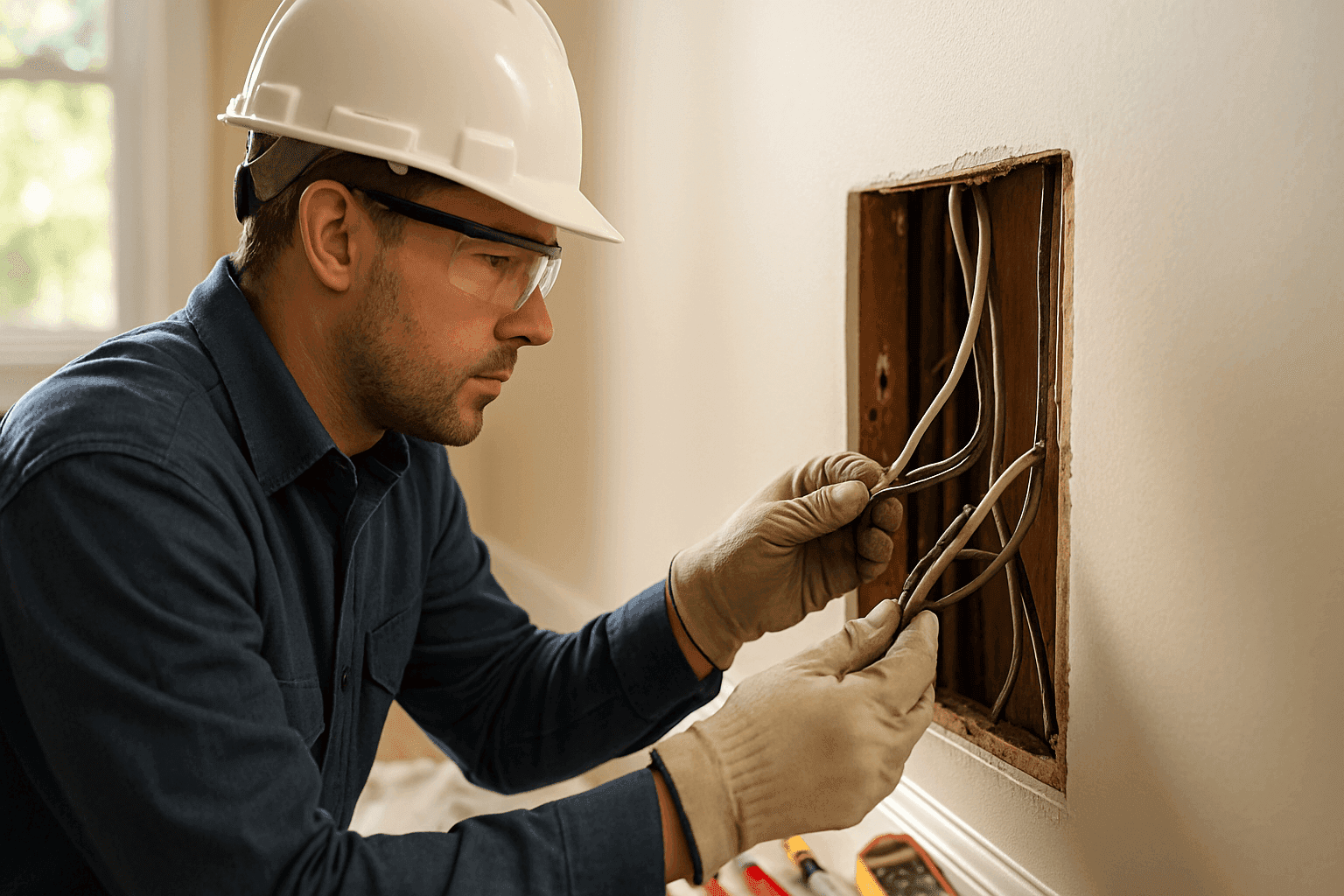
Does your home’s wiring make you uneasy? Maybe you’ve noticed a strange buzzing or outlets that look just a bit “off.” You’re not alone. Every year, homes across the country experience problems tied to old or faulty wiring—issues that can turn dangerous in a flash.
At Heintz Electric, we know that electrical safety isn’t just about keeping the lights on. It’s about peace of mind for your family. Let’s break down what you should watch for, how the pros tackle a diagnosis, and what steps you can take to keep your home safe and sound.
Why Wiring Matters: The Heartbeat of Your Home
Think of your wiring as the veins and arteries of your home. When they’re healthy, the whole house hums along—safely. But when something goes wrong beneath the surface? Even a small issue can spark big trouble.
Old or faulty wiring isn’t just inconvenient. It’s one of the leading causes of home fires, according to the National Fire Protection Association (NFPA). That’s why knowing the warning signs—and what to do next—is so important.
Quick Safety Checklist: Spotting the Signs 🚨
You don’t need special tools to spot the most common red flags. Walk through your home and watch for these clues:
- Buzzing outlets or switches: Electricity should flow silently. Buzzing or crackling means something’s not right.
- Frequently blown fuses or tripped breakers: If you’re always heading to the panel, your wiring may be overworked or damaged.
- Discolored or scorched outlets: Brown, black, or melted marks aren’t just ugly—they’re a warning sign.
- Warm wall plates or outlets: Outlets shouldn’t feel hot. Warmth may signal dangerous loose connections.
- Flickering lights: Especially if it happens when appliances turn on.
- Burning smells: Never ignore a faint burning odor near outlets or switches.
If you notice any of these, it’s time to take action.
The Hidden Dangers of Old Wiring
Some wiring types are more likely to cause trouble, especially in older homes:
- Aluminum wiring (1960s–1970s): Aluminum corrodes and expands differently than copper, leading to loose connections and overheating.
- Knob-and-tube wiring (pre-1950): This early system lacks grounding and can’t handle today’s electrical loads.
- Cloth-insulated wires: Insulation breaks down over time, exposing bare wires.
Homes with any of these systems may need upgrades to meet modern safety codes and insurance requirements.
What Can Go Wrong? Common Risks of Faulty Wiring
Faulty wiring isn’t just about inconvenience. The real dangers include:
- Electrical fires: Damaged wires can overheat and spark.
- Shocks and electrocution: Exposed wires or faulty outlets put you at risk.
- Power surges: Sensitive electronics and appliances can be destroyed in a flash.
- Code violations: Outdated wiring may not meet today’s electrical code (see the National Electrical Code, NEC).
DIY or Call a Pro? Knowing Your Limits
It’s tempting to tackle small electrical jobs yourself. But when it comes to diagnosing wiring problems, it’s smart to call an electrician. Why?
- Hidden risks: Many hazards are behind walls—out of sight and dangerous.
- Special tools required: Professionals use testers, thermal cameras, and more.
- Code compliance: Only a licensed electrician can guarantee work meets local and national codes.
When in doubt, play it safe.
What Happens When the Pros Arrive
So, you’ve decided to bring in help. Here’s what to expect from Heintz Electric:
Step 1: Interview and Inspection
We’ll start by talking with you about the issues you’ve noticed. Next, we walk through your home, checking outlets, switches, and your main electrical panel for signs of trouble.
Step 2: Testing and Diagnosis
Using industry-approved tools, we test circuits for proper voltage, look for loose connections, and check for overheating. In older homes, we pay close attention to signs of aluminum or knob-and-tube wiring.
Step 3: Code Compliance Check
We compare your system to the latest National Electrical Code (NEC) standards. If we spot any code violations, we’ll explain what they mean and outline your options.
Step 4: Detailed Report and Recommendations
You’ll get a clear summary of our findings—no jargon, just what you need to know. If repairs or upgrades are needed, we’ll walk you through the next steps.
The Importance of Code Compliance
Electrical codes aren’t just red tape. They’re there to protect you, your family, and your property. Up-to-date wiring means:
- Fewer fire risks
- Proper grounding and surge protection
- Systems that can handle modern appliances and devices
Staying up to code also keeps you in good standing with your insurance company and may boost your home’s resale value.
When It’s an Emergency: Don’t Wait
Some signs mean you should call immediately:
- Burning smells or smoke from outlets
- Sparking when plugging in devices
- Outlets or switches that are hot to the touch
Turn off the affected circuit if it’s safe, then call for 24-hour emergency service. Your safety comes first.
Prevention & Maintenance: Staying Ahead of Problems 🛠️
A little prevention goes a long way. Here’s what helps:
- Schedule regular electrical safety inspections—especially in homes over 30 years old.
- Don’t overload outlets with extension cords or power strips.
- Use appliances with care, especially high-wattage items like space heaters.
- Replace damaged cords or plugs right away.
Ask about surge protection, smoke and carbon monoxide detectors, and upgrades like Wiring & Circuits.
Timeline and Disruption: What to Expect
Worried about mess or downtime? Most inspections take a few hours. If rewiring or major repairs are needed, we’ll work with you to create a plan that minimizes disruption.
We treat your home like our own—neat, respectful, and always communicating each step.
Materials and Equipment: What’s Under the Hood
Modern wiring uses copper conductors, sturdy insulation, and code-compliant junction boxes. We avoid shortcuts, using only materials that meet or exceed industry standards. For specialty work—like Rewiring or installing EV chargers—we select the right materials for the job and your unique needs.
Common Mistakes Homeowners Make
It’s easy to overlook wiring issues, especially in older homes. Watch out for these pitfalls:
- Ignoring small warning signs
- Using the wrong wattage bulbs
- Overloading outlets with adapters
- Failing to schedule regular inspections
Stay proactive, and your home will thank you.
Seasonal Considerations: Safety Year-Round 🌦️
Storm season brings surges and outages. Winter means more indoor appliance use. Even spring cleaning is a good time to check cords and outlets for wear. Build a quick wiring check into your seasonal routines.
Frequently Asked Questions
How often should wiring be inspected?
If your home is over 30 years old, schedule an inspection every 3–5 years. Newer homes should be checked every 10 years or after major renovations.
Can I use old wiring if it seems fine?
Even if old wiring seems to “work,” it may not meet modern safety standards. Problems can hide behind walls. Only a professional inspection can tell for sure.
Will rewiring make a mess?
Some disruption is unavoidable, but skilled electricians use techniques to minimize damage and keep your home tidy.
Costs and Time Factors: Planning Ahead
Costs depend on the size of your home and the scope of the work. A simple inspection is affordable and provides priceless peace of mind. Rewiring or major upgrades are an investment—but one that protects your family and property for years to come.
We’re happy to walk you through your options, step by step.
Ready to Take the Next Step?
If you’re in the area and searching for a seasoned electrician company, or want to know more about Wiring & Circuits, reach out today.
Your home deserves to be a haven, not a hazard. Don’t wait for a small problem to become a big emergency.
Call Heintz Electric now — or reach us anytime at 877-315-8745 .