Introduction to Motor Control Systems for Homeowners
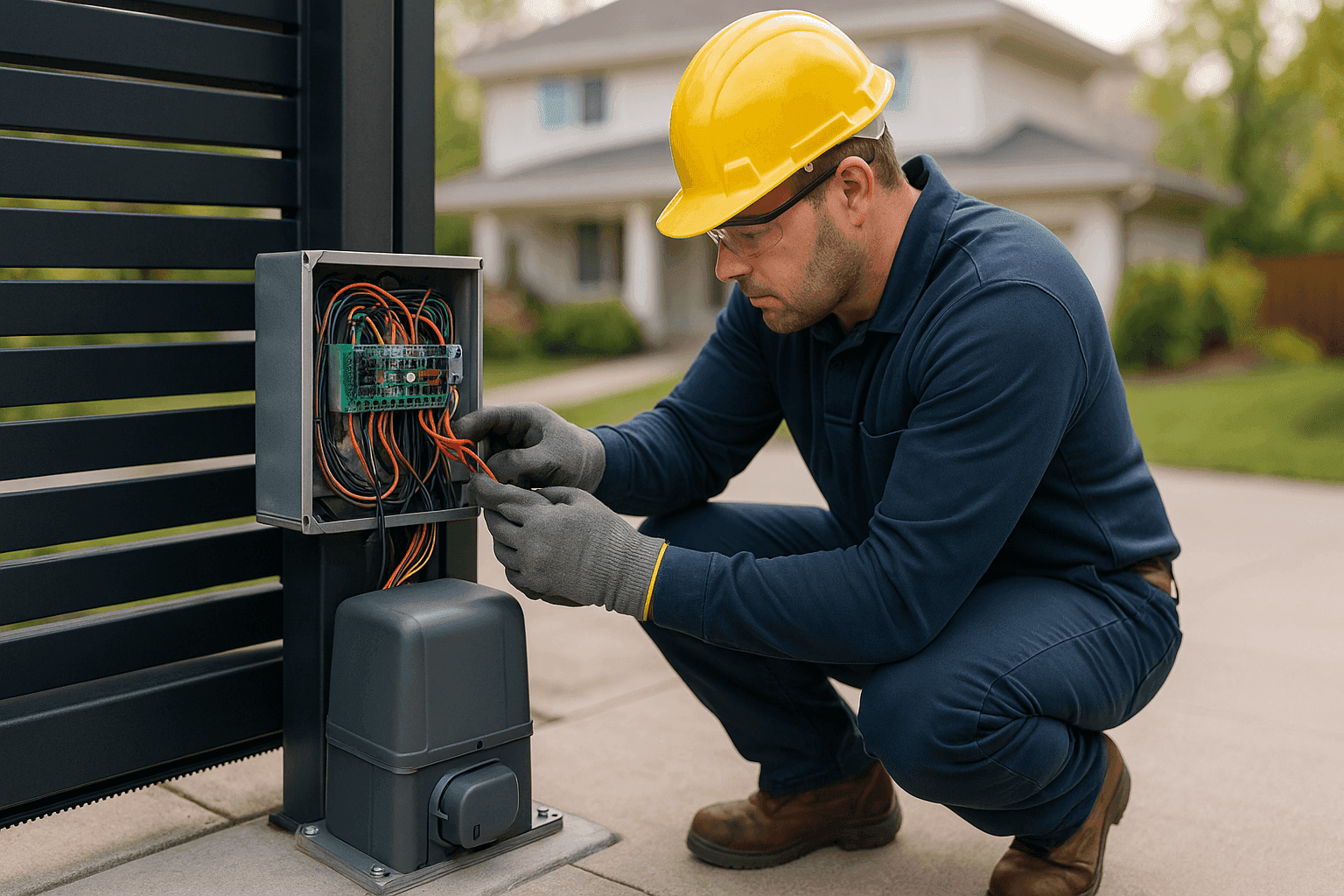
Imagine your home humming with quiet efficiency. Your driveway gate slides open with a gentle whir. The blinds lower at sunset. The ventilation system adjusts itself on a hot day, keeping every room just right. Behind these everyday conveniences are motor control systems—quiet heroes making life simpler and safer.
At Heintz Electric, we know these systems inside and out. If you’re a homeowner thinking about upgrades, or simply want to understand how your home ticks, this guide is for you.
What are Motor Controls? 🏠
Let’s start at the heart. A motor control system is a collection of devices that manage the operation of electric motors. Think of it as the “conductor” in your home’s orchestra—coordinating when and how motors run, adjusting speed, and stopping safely when needed.
Motor controls can be as simple as a single switch or as complex as a networked system that talks to your smart devices. They handle:
- Starting and stopping motors
- Reversing direction
- Adjusting speed
- Protecting against overloads
Without these controls, even the fanciest home gadgets wouldn’t know when to work—or how to stop safely.
Home Applications: Where You’ll Find Them
Motor control systems aren’t just for factories or big buildings. In modern homes, they’re everywhere, quietly improving comfort and security. Here are some common spots:
- Automatic Gates & Garage Doors: Open and close with a tap or remote.
- Blinds & Shades: Adjust sunlight and privacy automatically.
- HVAC Systems: Fans, pumps, and compressors keep air flowing and temperatures steady.
- Ceiling Fans: Change speed or direction for year-round comfort.
- Pool & Spa Pumps: Run on schedules, saving energy and hassle.
- Smart Appliances: From washers to smart kitchen gadgets.
- Doorbells & Intercoms: Many use small motors or actuators.
Each of these uses relies on a mix of wiring, circuits, and control logic. When something’s off, life feels less smooth.
Installation & Safety: What Every Homeowner Should Know ⚡
Installing or upgrading motor control systems isn’t just about convenience. It’s about safety and reliability. Here’s what matters most:
Wiring and Circuits
Proper wiring is the backbone. Just like you wouldn’t use a leaky hose for drinking water, you don’t want undersized, outdated, or damaged wires running your home’s motors. The right circuits prevent overheating, nuisance tripping, or worse—electrical fires.
- Always use wiring rated for the motor’s power and duty cycle.
- Dedicated circuits are best for high-demand devices (think garage doors or pool pumps).
- Grounding and bonding must meet National Electrical Code (NEC) standards.
- Use only UL-listed or similarly certified breakers and controls.
See more about our Wiring & Circuits service for the details that matter.
Integration: Why a Professional Electrician Matters
Modern homes blend old and new tech. Integrating motor control with smart systems, security, and automation takes skill—and a sharp eye for safety codes. A seasoned electrician will:
- Evaluate your home’s electrical system capacity.
- Ensure new controls play nicely with existing wiring.
- Install safety cutoffs and overload protection.
- Program automation for efficiency and reliability.
Shortcuts here can lead to nuisance tripping, unreliable operation, or even voided warranties.
Safety First: Code Matters
Electrical codes exist for good reason. They’re like guardrails on a mountain road—keeping you safe, even if you never notice them. Motor control installations must follow NEC guidelines, including:
- Correct wire sizing and insulation
- Proper breaker selection
- Labeling and accessibility for emergency shutoffs
- Arc fault and ground fault protection where required
Local inspectors ensure these rules are followed, but it’s your electrician who makes it happen.
Quick Safety Checklist for Motor Controls
Before using any home motor system, review these points:
- Are controls and switches labeled and easy to reach?
- Do emergency stop buttons work?
- Any buzzing, sparking, or heat from motors or control boxes? (If yes, call an electrician immediately.)
- Has the system been inspected in the last year?
- Are there working smoke and carbon monoxide detectors nearby for added safety?
Regular checks keep your family safe and your systems running smoothly.
DIY vs. Call a Pro
It’s tempting to tinker—especially with all the “how-to” videos out there. But motor controls aren’t like changing a light bulb. Risks include electric shock, fire, or damaging expensive equipment.
- DIY is OK for: Basic remote control setup, changing batteries, or adjusting timers.
- Call a pro for: Anything involving wiring, circuit breakers, integration with smart home systems, or troubleshooting.
Remember, a licensed electrician has the tools and training to diagnose, install, and repair safely.
What Pros Do On Arrival
When a Heintz Electric technician arrives, here’s what to expect:
- A walk-through of your concerns and needs
- Careful inspection of wiring, circuits, and control panels
- Testing for voltage, continuity, and proper ground
- Checking for code compliance
- Written recommendations before any work begins
No guesswork. Just careful, methodical troubleshooting and advice.
Prevention & Maintenance Tips
Motor control systems last longer when they’re looked after. Here’s how to keep things humming:
- Schedule an annual electrical safety inspection (per Electrical Safety Foundation International advice)
- Keep control panels free from dust and moisture
- Listen for unusual noises—clicks, hums, or grinding
- Replace batteries in remotes and wireless controls regularly
- Test emergency stops twice a year
A little attention now prevents bigger headaches later.
Costs & Time Factors
How much does a typical installation or upgrade cost? It varies. Complexity, the number of devices, and the state of your home’s wiring all matter.
- Simple installs (e.g., one garage door motor): Often done in a few hours
- Whole-home automation: May take several days
- Repairs/Troubleshooting: Usually same-day, unless parts are needed
A quality electrician will explain timeframes and costs up front—no surprises.
When It’s an Emergency
Some issues can’t wait:
- Burning smell from a motor or panel
- Repeated breaker trips when using a motorized device
- Lack of power to critical systems (gates, HVAC)
- Water or moisture near control boxes
For 24/7 help, Heintz Electric provides emergency service. Don’t risk safety—get help fast.
Seasonal Considerations
Winter and summer both bring special demands. Motors may work harder in extreme temperatures. Pool and spa systems see more use in hot months. Seasonal checks catch problems early.
- Before winter, test garage and gate motors for smooth operation.
- Before summer, inspect pool, spa, and ventilation controls.
- After storms, check for water intrusion or power surges.
Stay ahead of the weather with a simple seasonal routine.
Common Mistakes Homeowners Make
It’s easy to overlook small details. Here are pitfalls to avoid:
- Using extension cords as permanent wiring (never safe or code-compliant)
- Ignoring tripped breakers or blown fuses
- Bypassing safety features for “convenience”
- Neglecting regular inspections
Every shortcut creates risk. Do it right the first time.
Signs of Trouble
Don’t ignore these warning signs:
- Motors run hot or make odd noises
- Controls are slow to respond, or don’t work at all
- You see sparks or smell burning
- Frequent resets needed
If any of these happen, call an electrician right away.
Timeline & Disruption
Worried about mess or downtime? Most motor control installations (and repairs) are low-disruption. We work around your schedule and keep spaces tidy. For larger projects, you’ll get a clear timeline and daily updates.
Materials & Equipment
Quality counts. We use UL-listed devices, code-approved wiring, and professional-grade controls. This means longer life, fewer failures, and peace of mind.
Frequently Asked Questions
Do I need a permit for motor control upgrades?
Usually, yes—especially for new wiring or major device installs. Permits keep work up to code and ensure safety.
Can I use smart home devices with existing motors?
Often, yes. But integration can be tricky, especially with older systems. A professional can help bridge old and new.
How often should my systems be checked?
Annual inspections are recommended. Sooner if you notice any trouble.
Are all electricians familiar with home motor controls?
Not all. Look for a company with residential experience and certified technicians.
Local Help, Professional Service
If you’re searching for Motor Control Systems or need an electrician who understands home automation, Heintz Electric is ready to help.
Ready for an Upgrade or Inspection?
A well-designed motor control system adds comfort, safety, and value to your home. When you need Electrical System Installation near you, Heintz Electric is your go-to partner—from first inspection to final test.
Call Heintz Electric now — or reach us anytime at 877-315-8745 .