How to Tell If Your Home’s Wiring Is Outdated
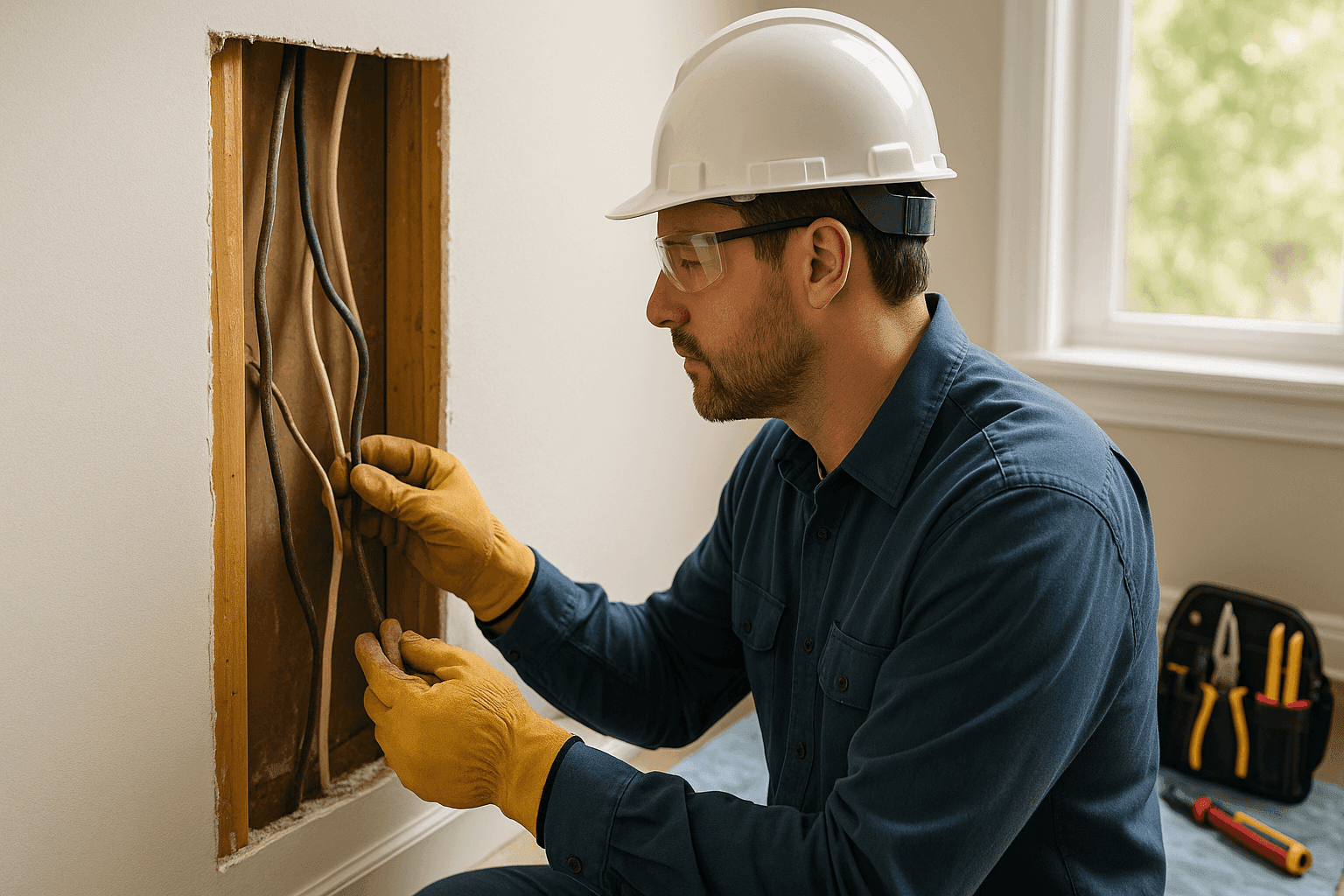
Does your home feel like it’s stuck in a different decade? Flickering lights, warm outlets, or breakers that trip at the worst possible moment—these aren’t just annoyances. They’re warnings that your wiring might be outdated or unsafe.
At Heintz Electric, we’ve seen first-hand how small warning signs can point to bigger problems behind the walls. If you’re unsure about your home’s wiring, it’s time to take a closer look. Here’s what you need to know.
Why Wiring Ages ⚡
Wiring is like the veins of your home. Over time, just like anything else, it wears down. Materials break down, safety standards improve, and what was “up to code” decades ago could be risky today.
Older homes especially may have knob-and-tube, aluminum, or cloth-insulated wiring. These systems were cutting-edge in their day, but they simply aren’t designed for modern energy needs. Add to that years of use, possible rodent damage, and even DIY fixes, and you’ve got a recipe for trouble.
Danger Signs
Not sure if your wiring is past its prime? Watch out for these red flags:
- Cloth or fabric insulation: If you peek inside an outlet or breaker box and see cloth-wrapped wires, that’s a classic sign your system is old.
- Ungrounded outlets: Two-prong outlets can’t protect you from surges or faults. Most modern appliances need three-prong outlets for safety.
- Frequent breaker trips: If your breakers or fuses seem to give up often, your wiring may be overloaded or faulty.
- Flickering or dimming lights: Not just a haunted house vibe—this can mean loose connections or deteriorating wires.
- Warm or discolored outlets: Heat where it shouldn’t be signals a dangerous underlying problem.
- Burning smell: Any unusual odor from outlets or panels should be treated like a serious fire hazard.
- Buzzing or crackling sounds: Electricity should be silent. Noises mean something’s not right.
Quick Safety Checklist
Take a walk through your home and check:
- Are outlets warm, loose, or discolored?
- Do you see sparks when plugging things in?
- Does your home have fuses instead of circuit breakers?
- Are there extension cords running everywhere to make up for too few outlets?
- Is your home more than 40 years old without any major electrical updates?
If you answered yes to any of these, it’s time for a closer look.
What’s Really at Stake?
It’s not just about lights and outlets. Old wiring is a top cause of home fires, according to the National Fire Protection Association (NFPA). When insurance companies inspect older homes, outdated wiring is often a deal-breaker for coverage—or leads to higher premiums.
Aging electrical systems can also damage your expensive appliances, computers, and entertainment centers. One power surge, and you’re replacing more than just a toaster.
Why Upgrades Matter
Bringing your wiring up to today’s safety codes isn’t just about avoiding disaster. It’s about peace of mind. Modern wiring can handle today’s technology—think smart thermostats, high-powered kitchen gadgets, and charging stations for electric vehicles.
Upgrading means:
- Fewer interruptions from tripped breakers or blown fuses
- Lower risk of fire and electrical shock
- Home insurance compliance
- Better resale value
DIY vs. Call a Pro
It’s tempting to try a quick fix, but electrical work is one place where shortcuts can put your family at risk. Even replacing an outlet can go wrong fast if the wiring behind it is faulty.
A licensed electrician from Heintz Electric uses special tools and years of training to spot problems that aren’t obvious. We check for code compliance, safety, and efficiency—often catching issues the untrained eye might miss.
What Pros Do On Arrival
When you call us for a re-wiring or Wiring & Circuits assessment, here’s what to expect:
- Careful inspection of your main panel, outlets, and visible wiring
- Testing outlets for grounding and voltage consistency
- Checking for signs of overheating or wear
- Reviewing electrical load—making sure your system can handle your needs
- Clear, honest advice about your options
We follow the latest National Electrical Code (NEC) and local safety rules every step of the way.
Prevention & Maintenance
Once your home’s wiring is safe, don’t forget these habits:
- Schedule regular electrical safety inspections—especially if your home is over 20 years old.
- Don’t overload outlets or power strips.
- Replace damaged cords and plugs right away.
- Add surge protection for sensitive electronics.
- Keep extension cords temporary, not permanent.
Costs & Time Factors
Wiring upgrades might sound intimidating, but they’re often less disruptive than homeowners expect. Most rewiring jobs take a few days, depending on the size and age of the home.
Costs vary—older homes or those with plaster walls can be trickier. But consider it an investment in your safety, insurance eligibility, and long-term peace of mind.
When It’s an Emergency 🚨
If you smell burning plastic, see smoke, or lose power to critical areas, shut off your main breaker immediately and call an electrician. Don’t try to track down the issue yourself—electricity doesn’t forgive mistakes.
Common Mistakes Homeowners Make
- Ignoring warning signs until something fails completely.
- Using extension cords or plug adapters as permanent fixes.
- Hiring unlicensed handymen for electrical work.
- Covering up outlets or wiring with furniture or rugs, which can trap heat.
Seasonal Considerations
Weather can put extra stress on your electrical system. Heavy holiday lighting, summer air conditioners, or pool equipment can all push aging wiring past its limits. If you notice issues during peak usage, don’t wait until the next season.
FAQ: Your Wiring Questions Answered
Q: Can I just replace outlets myself?
A: Swapping outlets is simple on paper, but if the wiring behind them is old or unsafe, you could make things worse. Always have an electrician check for underlying problems.
Q: How old is “too old” for wiring?
A: Most experts recommend a major review or re-wiring every 40 years. If your home is older and hasn’t had an upgrade, it’s time.
Q: Will rewiring wreck my walls?
A: Not always. Pros use methods that minimize mess, and we’ll always explain what to expect before starting.
Timeline & Disruption
Worried about the mess? Most rewiring projects can be staged room by room. That means you can often stay in your home with minimal disruption. We’ll work with your schedule and keep you informed every step of the way.
Materials & Equipment
Modern wiring uses copper or, in some cases, approved aluminum with special connectors. Outlets and switches come with built-in safety features. And new panels are designed for today’s higher energy demands.
Local Resources for Safe Homes
Curious about local codes or updates? The National Electrical Code (NEC) is updated every three years. Local city inspectors also provide guidance on what’s required for permits and insurance. If you’re in need of an electrician contractor, you can learn more about what to expect in your area.
Next Steps
If you’re seeing any signs of trouble, don’t gamble with your home’s safety. Schedule a professional assessment. You’ll sleep better knowing your wiring is up to the task—today, and for years to come.
Call Heintz Electric now — or reach us anytime at 877-315-8745 .