How to Plan for Emergency Power: Generators & Backup Options
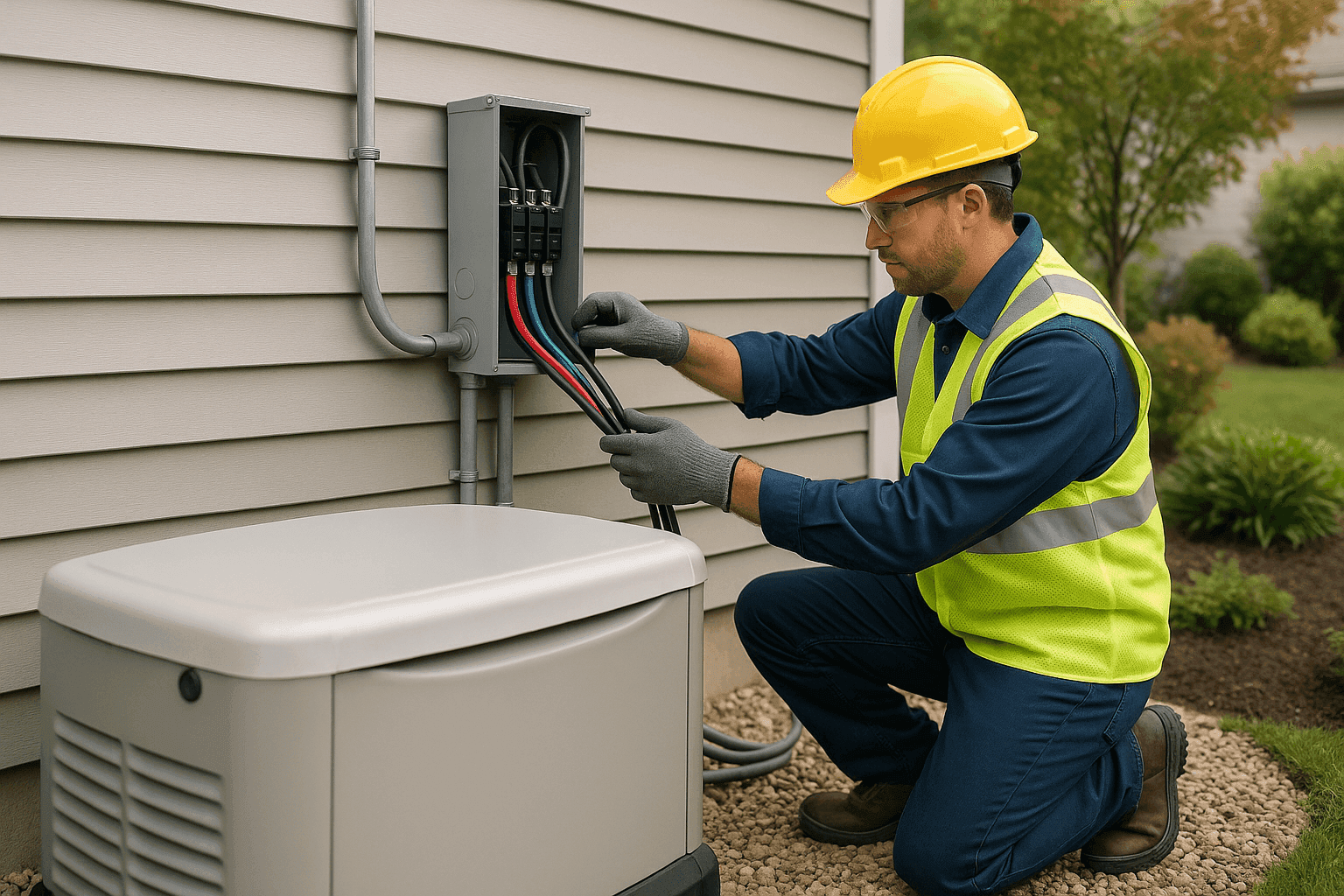
Power outages don’t send invitations. They show up in the middle of a storm, when you’re cooking dinner, or even while you’re fast asleep. When the lights go out, you need a plan—fast. At Heintz Electric, we know how critical it is to keep your home safe, comfortable, and running smoothly, no matter what nature throws your way.
We’ve seen firsthand how prepared homeowners weather storms with confidence. Planning for backup power isn’t just a “nice-to-have” anymore—it’s peace of mind, and it’s smart.
Why Plan for Outages? ⚡
Imagine you’re in the middle of a winter blizzard. The power flickers, then vanishes. Your furnace, fridge, and lights—gone in a blink. This isn’t just inconvenient. For many, it’s a safety risk.
- Food spoils quickly.
- Medical devices stop.
- Security systems go dark.
- Pipes freeze and burst.
Planning for emergency power means you’re not left scrambling for candles or blankets. You’re ready. And that readiness makes all the difference.
According to the U.S. Department of Energy, weather-related power outages are on the rise. Whether it’s heavy winds, ice, or unexpected grid failures, the risks are real. The right backup system transforms chaos into calm.
Backup Power Options
There are several ways to keep your home powered when the grid goes down. Which fits your needs best?
Portable Generators
Portable generators are like the “Swiss Army knife” of backup power. They’re flexible, easy to store, and can handle essentials—think refrigerator, sump pump, or a handful of lights. But they need fueling, safe placement outside, and manual startup.
Pros:
- Affordable upfront
- Easy to move
- Great for short-term outages
Cons:
- Limited capacity
- Require refueling with gasoline or propane
- Must be run outdoors (never inside—carbon monoxide hazard)
Whole-Home Standby Generators
These are the heavy lifters. Permanently installed, connected to your home’s natural gas or propane supply, and powered up automatically when the electricity fails. You barely have to lift a finger.
Pros:
- Automatic operation—no running outside in a storm
- Can power your entire home, including HVAC
- Runs on existing gas supply
Cons:
- Higher upfront cost
- Professional installation needed
- Requires regular maintenance
Transfer Switches
A transfer switch is the unsung hero of safe backup power. It safely shifts your home’s circuits from utility power to generator power—no tangled extension cords required.
Why it matters:
A transfer switch keeps your family—and utility workers—safe by preventing dangerous “backfeed” into the power lines. The National Electrical Code (NEC) requires transfer switches for most permanent generator installations.
Curious about which solution fits your home best? Read more about our generators and backup-generators services.
Electrical System Installation Near You
When it comes to backup power, every home is unique. That’s why the planning phase is so important. An electrician can assess your current electrical system, identify essential circuits, and recommend the best generator size for your needs.
- Do you have electric heat or gas appliances?
- Medical equipment?
- A home office that must stay online?
These questions shape your power needs. And they’re where professional advice makes all the difference.
Quick Safety Checklist ✅
Before you plug in or power up, safety comes first. Here’s a simple checklist:
- Never use a generator indoors or in a garage—risk of carbon monoxide poisoning.
- Install battery-powered carbon monoxide detectors.
- Only use cords rated for outdoor use.
- Store extra fuel safely, away from living spaces.
- Test your backup system monthly.
For more, the Electrical Safety Foundation International (ESFI) has valuable safety tips.
The Pros vs. DIY
You might be handy. But backup power isn’t the place to experiment. Professional electricians have the training to size, install, and test generators so everything runs smoothly and safely.
Why call a pro?
- Code compliance (NEC, local ordinances)
- Safe fuel connections
- Proper grounding
- Reliable transfer switch installation
DIY setups often miss critical steps—sometimes with life-threatening consequences. Let a licensed electrician handle the details so you can rest easy.
What to Expect When the Electrician Arrives
The process starts with a home visit. Your electrician will:
- Inspect your electrical panel and circuits
- Discuss your “must-have” appliances and systems
- Recommend generator sizes and brands
- Explain installation steps and timelines
- Answer your questions about permits and inspections
At Heintz Electric, we keep it simple and clear—no surprises, just straightforward service.
Preventive Maintenance Tips
Your generator is like a car—it needs regular attention to stay reliable. Here’s how to keep it ready:
- Run your generator for 10–15 minutes each month
- Check oil and fuel levels
- Replace old fuel (especially for portable units)
- Clean air filters and spark plugs
- Schedule annual professional inspections
Following manufacturer recommendations and keeping detailed records will keep your system in top shape.
Costs & Time Factors
Backup power is an investment in your home’s safety. Portable units typically start a few hundred dollars, while whole-home systems range higher depending on capacity and installation needs.
Installation time:
- Portable generator: Same day, if you have transfer switch pre-installed.
- Standby generator: Usually 1–2 days, including electrical and gas line work.
Some utility companies may require inspection before you can use your new system. Your electrician will guide you through any local requirements.
When It’s an Emergency
Sometimes, the weather turns nasty without warning. If you’re caught without backup power, keep these steps in mind:
- Unplug sensitive electronics to protect against surges
- Keep refrigerator and freezer doors closed
- Use flashlights, not candles, for lighting
- Listen for outage updates on a battery-powered radio
If you have a backup generator, make sure it’s fueled and ready before the storm hits.
Frequently Asked Questions
Q: Can I run my whole house on a portable generator?
A: Most portable units are designed for essentials only. For whole-house power, consider a standby generator.
Q: Is a transfer switch really necessary?
A: Absolutely. It’s required by code (NEC 700.5) for safe, legal generator operation.
Q: How often do I need to service my generator?
A: Check monthly, and schedule professional maintenance at least once a year.
Need more info? Our team is always happy to help.
Seasonal Considerations
Storm season is real—and it’s not just hurricanes or blizzards. Summer thunderstorms, ice storms, and even wildfire-related outages can leave you in the dark.
- Test your generator before the season hits
- Stock up on fuel and oil
- Review your emergency supplies (batteries, flashlights, first aid)
Staying one step ahead means less stress when the weather turns.
Common Mistakes to Avoid ❗
- Running a generator indoors (risk: carbon monoxide)
- Overloading circuits—know your generator’s limits
- Skipping maintenance checks
- Using makeshift extension cord setups
A little planning now prevents big headaches later.
Signs Your System Needs Attention
Like a car that won’t start, your generator will let you know when something’s off:
- Hard starts or stalling
- Strange noises or vibrations
- Warning lights on the control panel
- Unusual smells (fuel or burning)
Don’t ignore these signs—schedule a checkup with your electrician.
Timeline & Disruption
Worried about the mess or downtime? Most backup generator installations are straightforward. Expect some disruption—mainly when power must be shut off briefly for wiring.
- Portable systems: Minimal disruption
- Standby units: A day or two, then back to normal
Your electrician will explain what to expect and how to prepare.
Materials & Equipment Checklist
Here’s what you may need, depending on your setup:
- Generator (portable or standby)
- Transfer switch
- Outdoor-rated extension cords (if portable)
- Approved fuel storage containers
- Spare parts (filters, spark plugs, oil)
Stick to equipment that meets UL and National Electrical Code standards.
Ready for the Next Outage?
Preparing for power interruptions is like carrying a sturdy umbrella—you might not need it every day, but when you do, you’ll be glad it’s there. At Heintz Electric, we help families stay safe, comfortable, and connected—no matter the weather.
If you’re looking for an electrician who understands what it takes to keep your home ready for anything, we’re here to help.
Call Heintz Electric now — or reach us anytime at 877-315-8745 .