How to Prepare for an Electrical Inspection When Selling Your Home
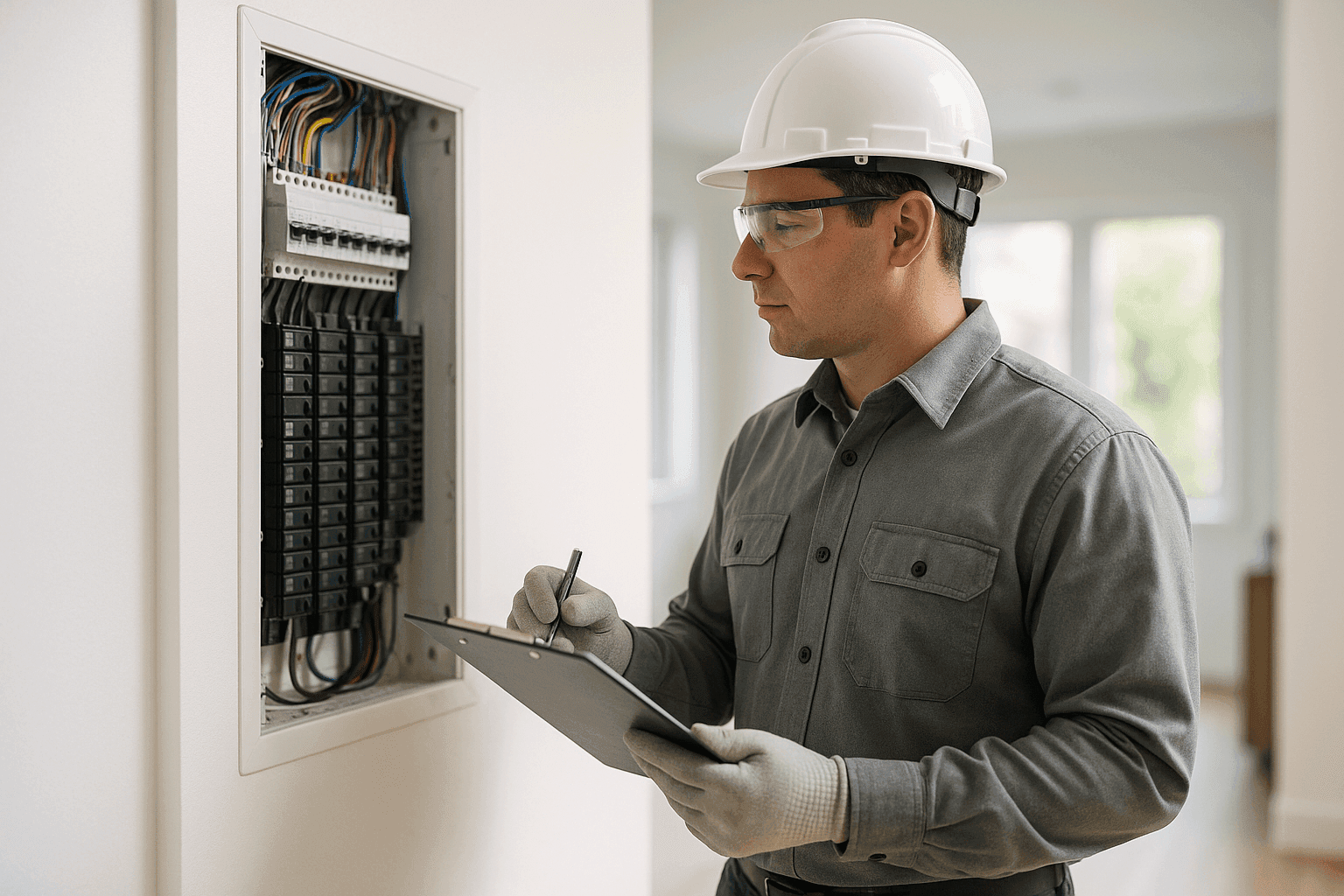
Thinking about selling your home? You’re not alone in feeling a little anxious about the electrical inspection step. That moment when an inspector opens your panel or tests an outlet can feel like waiting for a report card. But with a little preparation—and the right electrician—your home can pass with flying colors.
At Heintz Electric, we help homeowners get ready for this big milestone every day. Let’s break down what you need to know (and do) to make your electrical inspection a breeze.
Why Inspect Before Selling? 🏡
An electrical inspection is more than a box to check. Think of it as a seal of confidence for both you and your buyer. For sellers, an inspection uncovers hidden issues early—giving you time to fix them, not scramble at the last minute. For buyers, a recent inspection is like a clean bill of health, boosting trust and peace of mind.
Many real estate agents now recommend a pre-sale electrical safety inspection. Not only does it help avoid deal-breaking surprises at closing, but it can also speed up the sale and even add value to your home. According to the National Fire Protection Association (NFPA), electrical problems are a leading cause of home fires—so taking safety seriously is always the smart move.
Common Issues That Trip Up Inspections
Most electrical inspections for home sales focus on a few key trouble spots. Here’s where things go wrong most often:
- Missing or faulty Ground Fault Circuit Interrupters (GFCIs): These outlets prevent shocks near water (think kitchens, bathrooms, laundry rooms). If yours aren’t installed or working, it’s a red flag.
- Outdated or damaged wiring: Knob-and-tube, aluminum, or brittle, cracked wires make inspectors nervous—and can scare off buyers.
- Improperly labeled panels: Imagine a panel full of switches, none labeled. Inspectors—and new homeowners—need to know what controls what.
- Overloaded circuits or panels: Too many appliances, not enough circuits. This setup can overheat and fail inspection.
- Ungrounded outlets: Two-prong outlets without grounding are outdated and risky.
- Improper junction boxes: Exposed wires or missing covers are a common DIY mistake that inspectors spot right away.
- Loose or broken outlets and switches: Wobbly hardware isn’t just annoying—it’s unsafe.
- Missing smoke and carbon monoxide detectors: Local codes require these lifesavers in specific spots.
- Improperly installed appliances or lighting: DIY jobs sometimes skip key safety steps.
- No recent safety certificates: Proof of a recent professional electrical-safety-inspections is a big plus.
Quick Safety Checklist for Sellers
Want a fast way to spot issues before your inspection? Walk through your home with this checklist:
- Test every outlet and light switch
- Check for GFCIs near sinks, tubs, and other wet spots
- Peek at your panel—are circuits labeled and breakers in good shape?
- Look for any exposed or frayed wires
- Make sure smoke and carbon monoxide detectors are working
- Remove extension cords used as permanent wiring
- Ensure all appliances are properly plugged in and grounded
A little detective work now saves headaches later.
DIY Fixes vs. Call a Pro
Some fixes are as simple as replacing a cover plate. Others—like rewiring or panel upgrades—are best left to a licensed electrician. If you’re ever unsure, don’t guess. Mistakes can lead to failed inspections or, worse, safety hazards.
Tasks you can often handle safely:
- Replace broken faceplates
- Install labeled stickers on panel circuits (if you know what they control)
- Test and replace batteries in detectors
When to call a pro:
- Installing new GFCIs
- Replacing or upgrading wiring
- Adding new outlets or circuits
- Anything involving the main electrical panel
Want a professional opinion? Our certificates service helps document safe, code-compliant upgrades.
What Pros Do On Arrival
When an electrician arrives for your pre-sale inspection, they’ll start with a thorough walk-through. They look for both obvious and hidden issues, using specialized tools to check for overloaded circuits, faulty wiring, and code compliance.
Expect your electrician to:
- Open your panel and check for proper labeling and safe wiring
- Test all GFCIs and outlets
- Inspect visible wiring for signs of damage or age
- Verify installation and placement of detectors
- Review any recent upgrades or repairs
A good inspection is like a health checkup for your home—thorough, honest, and informative.
Prevention & Maintenance: Staying Ahead
Regular maintenance can help your home sail through inspections. Here’s how to keep things shipshape all year:
- Replace outdated wiring and panels as soon as issues arise
- Schedule annual electrical safety inspections
- Update outlets and switches if they’re loose or warm to the touch
- Keep records of all electrical work—these documents are gold at sale time
Routine care isn’t glamorous, but it pays off when you list your home.
Costs & Time Factors
Wondering about the price tag? Electrical inspections vary, but minor fixes can often be handled in a single visit. Larger jobs, like rewiring or panel replacement, may take a day or two—and cost more, depending on your home’s age and size.
Budget for:
- Inspection fees (ask for a quote up front)
- Parts and labor for repairs or upgrades
- Possible re-inspection if big changes are made
Remember: investing in safety now can save you from costly surprises during the sale.
When It’s an Emergency
Some electrical issues can’t wait. If you spot sparking outlets, persistent breaker trips, or a burning smell, call an electrician immediately. These aren’t just inspection problems—they’re real safety risks.
Heintz Electric offers 24-hour emergency service so you’re never left in the dark.
FAQ: Electrical Inspections Before Selling
Q: Is an electrical inspection required to sell my home?
A: Requirements vary by location and lender, but most buyers expect it. Your agent can advise on local rules.
Q: What if my home has knob-and-tube or aluminum wiring?
A: Many buyers (and insurers) require upgrades. An electrician can assess and recommend solutions.
Q: Do I need to move out for repairs?
A: Usually not. Most fixes are non-intrusive, though panel work may require brief power shutoffs.
Seasonal Considerations
Spring and summer are popular times to sell, but weather can affect inspections. Wet basements, frozen outdoor outlets, or heavy air conditioner use may highlight electrical issues. Plan ahead—inspect before peak listing season.
Common Mistakes That Delay Sales
- Waiting until the last minute to inspect
- Trying to hide obvious problems
- Skipping required upgrades (like GFCIs)
- Neglecting documentation—buyers want proof
Transparency and proactive repairs build buyer trust.
Signs of Electrical Trouble
Before the inspector arrives, watch for:
- Flickering lights
- Outlets that don’t work
- Breakers that trip for no reason
- Warm switch plates
- Buzzing from the panel
These are clues that something’s amiss—and worth fixing now.
Timeline & Disruption
A standard inspection takes 1-2 hours. Repairs range from minutes (replacing detectors) to days (rewiring). Most work has minimal impact on your daily life, but plan for short power outages if major upgrades are needed.
Materials & Equipment Pros Use
Electricians rely on specialized tools—multimeters, circuit testers, and thermal cameras—to spot hidden issues. They’ll also use code-approved wiring, breakers, and detectors to ensure your home meets the latest safety standards.
The Importance of Documentation
Buyers and agents love paperwork. Keep all receipts, inspection reports, and certificates handy. These documents show your home is safe, well-maintained, and ready for a new owner.
For sellers in Waverly, our Certificates service helps provide the proof buyers and lenders need for a smooth closing.
Building Buyer Confidence with Compliance
A safe, code-compliant electrical system makes your home stand out. It’s like handing buyers the keys to a well-cared-for car—with all the maintenance records included. Passing your inspection the first time means fewer negotiations and a faster, smoother sale.
Ready to List? Call the Pros
Prepping for an electrical inspection can feel overwhelming, but you don’t have to go it alone. Heintz Electric is here to help every step of the way—from safety checks to repairs, documentation, and more.
Call Heintz Electric now — or reach us anytime at 877-315-8745 .