How to Prepare Your Home Electrical System for Severe Storms
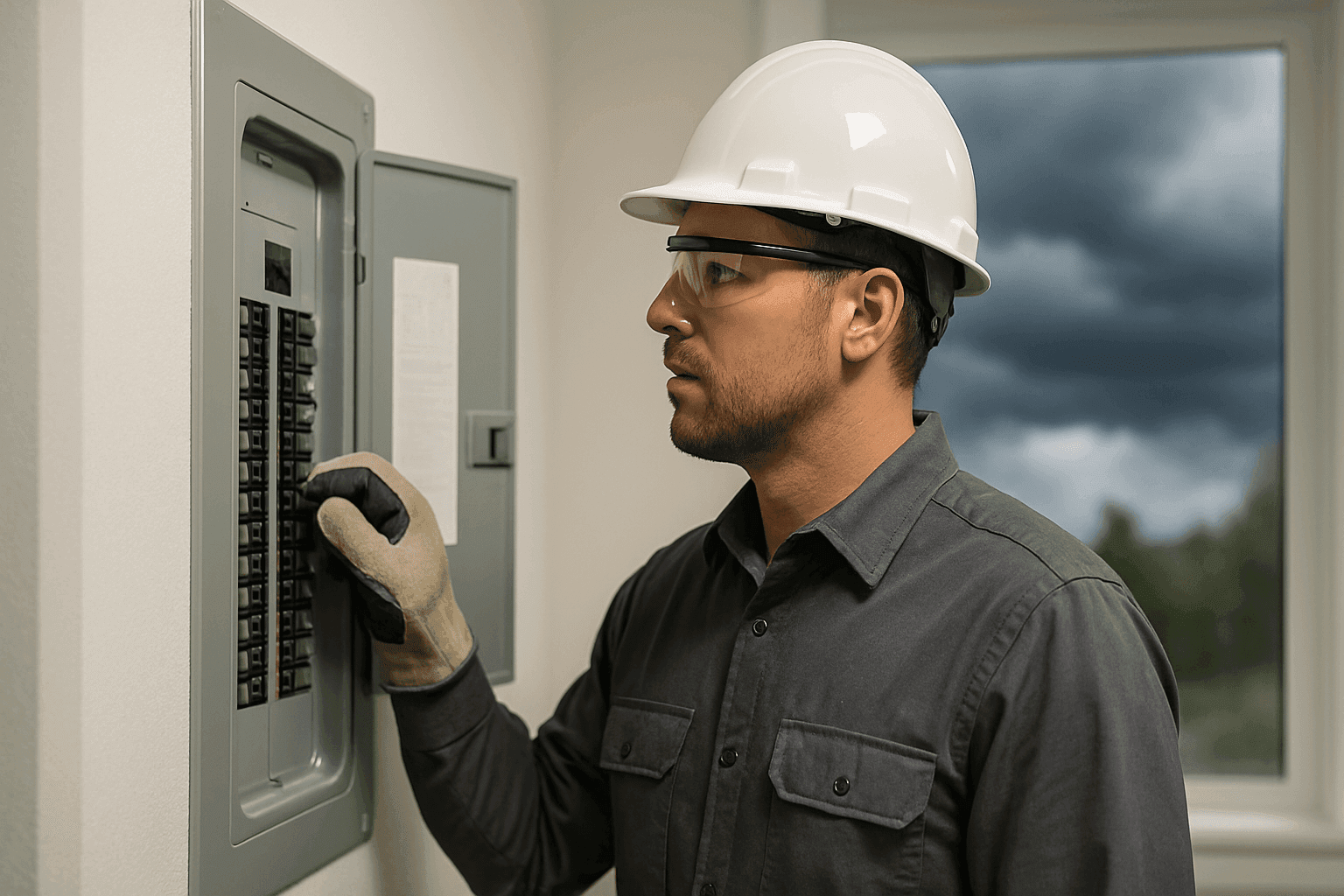
Severe storms can roll in like uninvited guests, bringing more than just rain and wind. For many homeowners, the real threat is what you can’t see—power surges, flooding, and unexpected outages that can leave you in the dark or worse, put your family at risk. At Heintz Electric, we understand the uneasy feeling that comes before a storm. Your home’s electrical system is a lifeline, and keeping it safe isn’t just smart—it’s essential.
If you’re searching for “Electrical System Installation near you” or want to know how to keep your home safe, you’re in the right place. Let’s break down what you can do right now to weather any storm safely and confidently.
Why Storms Threaten Your Home’s Electrical Safety
When the sky turns dark and the wind picks up, your electrical system faces invisible dangers. Lightning strikes can send powerful surges racing through wires, while flooding turns ordinary outlets into hazards. Even a short outage can damage appliances or leave you without essential services.
Think of your home’s wiring like a network of veins: when the storm hits, you want to be sure each one is protected and healthy. That’s where preparation pays off.
Quick Safety Checklist Before the Storm Hits 📝
- Unplug sensitive electronics and appliances.
- Test smoke and carbon monoxide detectors.
- Check your backup generator’s fuel and operation.
- Move power strips and extension cords off the floor.
- Secure outdoor electrical items (lights, pool, spa equipment).
- Review your main electrical panel location and know how to shut it off.
These quick actions can be the difference between peace of mind and panic when the wind starts howling.
Surge Protection: Your First Line of Defense
Imagine a lightning bolt as a tidal wave of electricity. Surge protectors act like sturdy sandbags, holding back that wave before it crashes into your home’s devices.
- Install whole-house surge protectors at your main panel. This shields your appliances and sensitive electronics from sudden voltage spikes.
- Use point-of-use surge protectors for computers, TVs, and other electronics.
- Remember: Not all power strips are surge protectors. Look for UL-listed devices and read the fine print.
The National Electrical Code (NEC) now recommends surge protection in new and renovated homes (see NEC Article 230.67). It’s not just best practice—it’s code.
Backup Power: Generators Keep the Lights On
When the grid goes down, a generator is your safety net. But not all generators are created equal.
- Portable generators are handy for short outages but must be used outdoors and never plugged directly into a wall outlet.
- Standby generators kick in automatically and can power your whole house, including critical systems like refrigerators and medical equipment.
Before installing a generator, consult a licensed electrician. Improper hookups can back-feed electricity into the grid, endangering utility workers and your neighbors. Heintz Electric handles Generators to ensure safe, code-compliant backup power for your family.
Securing Outdoor Wiring and Equipment
Outdoor outlets, pool pumps, and lighting are exposed to the elements. During a storm, they’re vulnerable to water intrusion and wind damage.
- Secure all outdoor lighting and electrical boxes.
- Cover outdoor outlets with weatherproof covers.
- Disconnect and safely store any portable electrical devices.
- Inspect pool and spa wiring for cracks, fraying, or exposed connections.
A licensed electrician will verify that outdoor circuits are protected by GFCI (Ground Fault Circuit Interrupters), a life-saving device that cuts power fast if water is detected.
Electrical Panel Inspections: The Heart of Your System
Your home’s electrical panel is command central. If it’s outdated, overloaded, or showing signs of rust or corrosion, it could fail when you need it most.
- Have a qualified electrician inspect your panel for loose breakers, corrosion, and overheating.
- Label all circuits clearly for fast shutdown in emergencies.
- Ensure your panel is accessible—never blocked by storage or furniture.
Regular inspections catch problems before they spark. If you’re planning upgrades or have an older home, ask about modern panel options and surge protection integration.
How to Safely Shut Off Power During Flooding
If flooding is imminent or you see water near outlets or wiring, act fast—but safely.
- Never touch electrical equipment if you’re standing in water.
- If safe, turn off the main breaker at your panel before the water rises.
- If you can’t reach the panel safely, evacuate and call your utility provider or emergency services.
Turning off power ahead of flooding can prevent fires, shocks, and costly repairs. It’s a simple step, but timing and safety are everything.
DIY or Call a Pro? Knowing When to Get Help
Some storm prep is DIY-friendly: unplugging appliances, checking detectors, and moving cords. But surge protection, generator installation, and panel upgrades? That’s a job for a licensed, insured electrician.
Code compliance isn’t just red tape—it’s your assurance that everything meets strict safety standards (see the National Electrical Code). Heintz Electric’s team is licensed, insured, and trained to spot hazards that might be invisible to the untrained eye.
If you’re in need of an emergency-service or fast repairs, don’t wait. When in doubt, reach out.
What Happens When Pros Arrive
When storms threaten, our electricians arrive ready. Here’s what to expect:
- A full assessment of your home’s electrical system, inside and out.
- Testing of surge protection and GFCI outlets.
- Inspection of the electrical panel, breakers, and wiring.
- Recommendations for backup power or repairs, tailored to your needs and budget.
- Clear communication every step of the way.
We follow all safety protocols and local code requirements to keep your family safe—never shortcuts.
Emergency Kit Essentials for Power Outages
A little preparation goes a long way. Stock these essentials so you’re never left scrambling in the dark:
- Flashlights and fresh batteries
- Battery-powered radio for weather updates
- Fully charged portable power banks
- First-aid kit
- Bottled water and non-perishable food
- Manual can opener
- Blankets and warm clothing
- List of emergency contacts, including your utility provider and trusted electrician
Keep your kit in an easy-to-reach spot. Update it each season.
Generator Safety: Use It Right, Stay Safe ⚡
Generators are lifesavers, but only if you use them safely.
- Operate generators outdoors, away from windows and doors, to prevent carbon monoxide poisoning.
- Never run a generator inside your garage, even with the door open.
- Plug appliances directly into the generator or use a professionally installed transfer switch.
- Let your generator cool before refueling to prevent fires.
The U.S. Consumer Product Safety Commission and Electrical Safety Foundation International both emphasize generator safety—because shortcuts can be deadly.
Common Mistakes Homeowners Make
It’s easy to overlook small details in the rush before a storm. Some common missteps:
- Using extension cords as permanent wiring.
- Overloading outlets or power strips.
- Forgetting to test smoke and carbon monoxide detectors.
- Skipping annual electrical inspections.
- Ignoring flickering lights or tripped breakers—these are warning signs.
If you notice any of these red flags, don’t wait for the next storm to fix them.
Recognizing Signs of Electrical Trouble
Not all problems announce themselves with sparks or smoke. Watch for:
- Warm or discolored outlets
- Buzzing from your panel or outlets
- Burning smells
- Frequent breaker trips
- Lights that dim or flicker
These can signal deeper issues that need a professional’s eye.
Timeline and Disruption: What to Expect
Storm prep doesn’t have to mean chaos. Most basic checks—unplugging devices, checking detectors—take less than an hour. Surge protection and generator installation can take a day or two, but the peace of mind lasts all season.
If you need service after a storm, be patient with response times—safety comes first, and so does thorough, careful work.
Prevention and Maintenance: The Year-Round Advantage
Storm season isn’t the only time to think about your electrical system. Schedule regular maintenance and safety inspections to catch problems early. Upgrades like surge protection, GFCI outlets, and modern panels protect your investment and your family.
Heintz Electric provides code-compliant, insured maintenance for homes across the region. For those in need of an electrician company with roots in the community, including Mansfield City, we’re here to help year-round.
Frequently Asked Questions
How often should my electrical system be inspected?
We recommend a professional inspection every 3–5 years, or sooner if you notice problems.
Can I install a generator myself?
For safety and code compliance, always use a licensed electrician for generator installation. Mistakes can be dangerous.
Are surge protectors worth it?
Absolutely. The cost of replacing damaged electronics or wiring far outweighs the investment in quality surge protection.
What should I do if I lose power during a storm?
Stay calm. Use your emergency kit, unplug sensitive electronics, and avoid using candles. Call your utility provider and, if you notice electrical hazards, contact a licensed electrician.
Final Thoughts: Protecting Your Home, Protecting Your Peace of Mind
Storms are unpredictable, but your home’s safety doesn’t have to be. With the right preparation, a bit of vigilance, and trusted help from licensed professionals, you can weather any storm with confidence.
Call Heintz Electric now — or reach us anytime at 877-315-8745 .