How to Prepare for a New Appliance Installation
Getting a new appliance is exciting—until you realize the prep work involved. Maybe your old fridge fizzled out, or your oven’s just not keeping up. Either way, there’s more to a smooth installation than plugging it in and hoping for the best.
At Heintz Electric, we’ve seen what can go wrong when steps get skipped. Use this guide to cover your bases, protect your investment, and keep your home safe.
Why Prep Matters ⚡
You wouldn’t build a house without a solid foundation. Installing a new appliance isn’t much different. Preparation matters because:
- Safety comes first. A little planning can prevent fires, shocks, and property damage.
- Warranties depend on it. Many manufacturers require professional installation for coverage.
- Your time and money count. Fixing preventable mistakes is always costlier than getting it right the first time.
According to the National Fire Protection Association (NFPA), electrical failures or malfunctions cause thousands of home fires each year. That’s why preparation isn’t just a good idea—it’s essential.
What to Check Before Installation
Before your appliance arrives, take a moment to step back and check these crucial details:
1. Measure Your Space (Twice!)
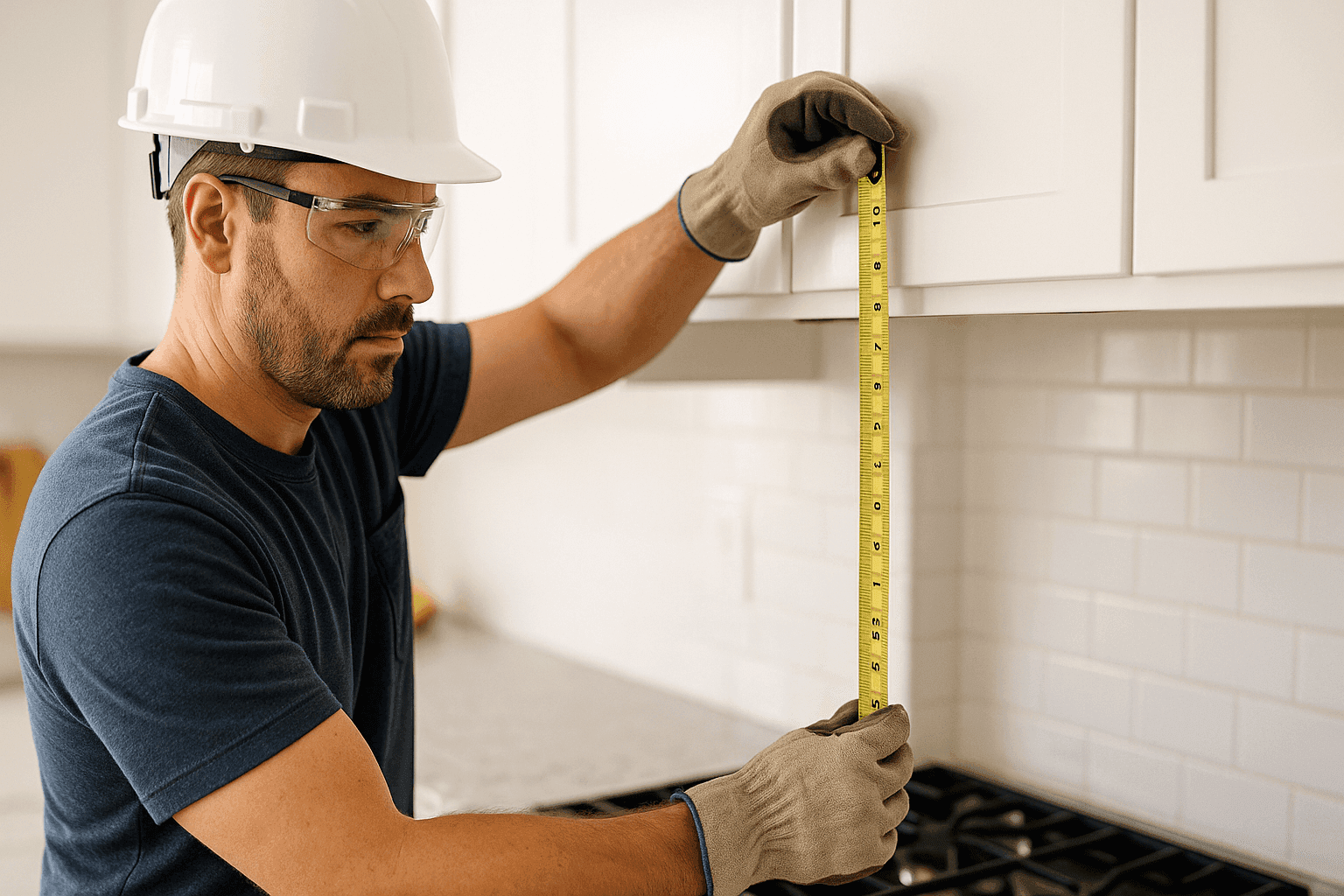
Don’t eyeball it. Use a tape measure for width, height, and depth. Remember to allow space for doors to open, airflow, and installation clearances. Appliances squeezed into tight spots can overheat or simply not fit.
2. Inspect Electrical Circuits
Most appliances—especially ranges, ovens, and dryers—require dedicated circuits. Check your electrical panel. Is there enough capacity? Are the breakers the right size? If you’re unsure, ask an electrician.
3. Confirm Outlet Type & Location
Not all appliances use the same plug. Some need 240V outlets, others just a standard 120V. Make sure the outlet matches what your new appliance needs and is within reach—no stretching cords or risky extensions.
4. Clear the Area
Remove anything blocking the path or installation spot. That means old appliances, furniture, rugs, or clutter. A clear space makes for a smooth, damage-free delivery.
5. Check Flooring & Level Surface
Uneven floors can cause appliances to vibrate, leak, or even fail early. Use a level to check. If needed, install shims or adjust the legs.
6. Review Manufacturer Requirements
Read the installation manual before the appliance arrives. Some have special venting, drainage, or clearance needs. Meeting these now avoids costly surprises later.
Delivery Day: What to Expect
Big appliances are heavy and bulky. Professional delivery teams are prepared, but you can help by:
- Protecting floors with cardboard or drop cloths.
- Keeping pets and kids away from the area.
- Ensuring a clear, wide path from entry to install spot.
If you’re in the process of a kitchen remodel or new build, coordinate delivery so the electrical work is complete first.
Understanding Electrical Requirements
Every appliance has its own appetite for power. Here’s what you should know:
- Dedicated Circuits: Appliances like stoves, dryers, and dishwashers often require their own circuit.
- Breaker Size: Check if your panel can safely handle the new load. Overloaded circuits are a fire risk.
- Code Compliance: The National Electrical Code (NEC) sets standards for safe installation. A licensed electrician ensures your work passes inspection.
If your home is older, you may need upgrades before certain modern appliances can be safely installed. This is especially true for high-powered items like electric ranges, tankless water heaters, or EV chargers.
DIY or Call a Pro? Knowing Your Limits
Some installations are straightforward. Plug-and-play microwaves or countertop gadgets rarely need more than a clean spot and an outlet.
But for anything hardwired, heavy, or requiring a new circuit, it’s time to call a professional. Here’s when to reach out:
- Installing a new 240V outlet.
- Upgrading your electrical panel.
- Hardwiring ovens, cooktops, or built-in appliances.
- Dealing with old, frayed, or aluminum wiring.
- Unsure about code requirements.
Letting a licensed electrician handle these jobs protects your home, your family, and your appliance warranty.
Quick Safety Checklist
Before connecting anything, run through this list:
- Is the area dry and free of leaks?
- Are wires and outlets undamaged?
- Is the appliance on a level, sturdy surface?
- Does the plug fit snugly, with no exposed wires?
- Are you following the manufacturer’s instructions?
If any “no” pops up, stop and seek help.
Common Mistakes Homeowners Make
We’ve seen it all. Here are a few pitfalls to dodge:
- Using extension cords for large appliances.
- Ignoring buzzing, sparking, or hot outlets.
- Forcing plugs into mismatched sockets.
- Skipping permits or inspections for major work.
- Neglecting to turn off the breaker before installation.
These shortcuts can lead to fires, shock, or voided warranties.
Code Compliance: Not Optional
Electrical codes aren’t just red tape—they’re written in response to real hazards. The NEC, for example, outlines everything from wire gauge to outlet placement. Local building departments enforce these standards to keep people safe.
For major appliances, especially those involving water (like dishwashers or washing machines), ground fault circuit interrupters (GFCIs) are often required. A professional electrician knows these rules inside and out.
Delivery Considerations & Timeline
Timing matters. Some stores offer installation, but not electrical upgrades. If your new appliance needs a new circuit or outlet, schedule that work before delivery. This avoids last-minute stress or rescheduling.
- Allow extra days for permit approval, if needed.
- Clear your schedule for delivery and installation.
- Don’t discard old appliances until the new one is working.
Signs You Need Electrical Upgrades
Watch for these red flags:
- Flickering lights when you use other appliances.
- Breakers tripping when you plug in new devices.
- Outlets that are warm, buzzing, or have scorch marks.
- No grounded (three-prong) outlets in your kitchen or laundry.
If you spot any of these, contact an electrician before installing new equipment.
What Heintz Electric Pros Do On Arrival
When you book with us, here’s what to expect:
- Review your appliance’s requirements and your home’s wiring.
- Inspect the panel, outlets, and circuit breakers.
- Install new wiring, outlets, or breakers if needed.
- Test everything for safety and code compliance.
- Walk you through the finished setup.
We treat your home with care—from wearing boot covers to cleaning up when we’re done.
Appliance Installation Costs & Time Factors
Costs vary with complexity. Plug-in jobs are fast and affordable. Hardwired installations or panel upgrades cost more—but they’re an investment in safety and reliability.
Expect the job to take anywhere from 30 minutes for a small appliance, to several hours for bigger installs, rewiring, or upgrades.
Keeping Your Warranty Intact
Many manufacturers require that appliances be installed by a licensed electrician. If you DIY and something goes wrong, your warranty might not cover repairs. Always check the fine print and keep your receipts.
Seasonal Considerations
Winter storms? Summer surges? Seasonal weather can impact installation plans. Plan ahead and consider surge protection—especially for sensitive electronics and major appliances.
Prevention & Maintenance
After installation, protect your investment with:
- Regular safety checks.
- Upgrading surge protection.
- Scheduling annual electrical inspections.
These steps help prevent surprise breakdowns and keep your appliances running smoother, longer.
When It’s an Emergency
If you smell burning, see sparks, or lose power during installation, stop immediately. Shut off the breaker and call for emergency service. Safety first—always.
Frequently Asked Questions
Is it okay to use an extension cord for my new fridge or washer?
No. Large appliances should always be plugged directly into a dedicated outlet.
Do I need a permit for new appliance wiring?
For most hardwired appliances, local code will require a permit and inspection. Your electrician can handle this.
How do I know if my home needs rewiring before installation?
Ask for a professional electrical safety inspection. Look for outdated panels, aluminum wiring, or frequent breaker trips.
Ready to Upgrade? Call for Professional Appliance Installation
A little prep goes a long way. Whether you’re getting a new oven, washer, or built-in fridge, Heintz Electric can help with safe, reliable Appliances and all related installations.
If you’re searching for an electrician company you can count on, Heintz Electric is here for you. We serve your neighbors in San Clemente and surrounding areas.
Call Heintz Electric now — or reach us anytime at 877-315-8745 .