How to Prevent Electrical Overloads in Your Home
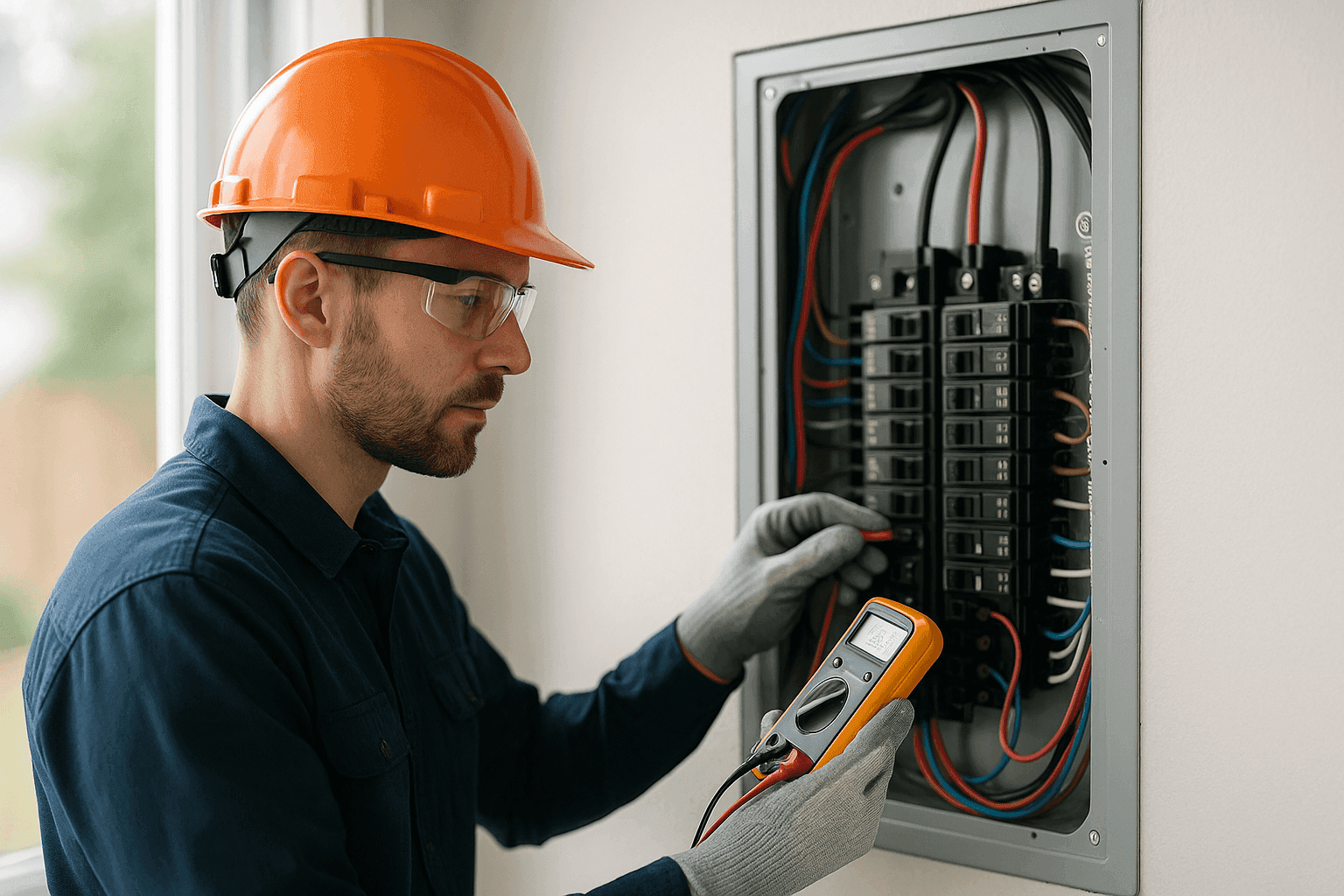
Is your home’s electrical system quietly begging for help? Most of us don’t notice a problem until a breaker trips, the lights flicker, or worse—a burning smell makes the hair on your neck stand up. At Heintz Electric, we see it all the time. The good news? You can stop overloads before they start.
Let’s get right to it—your family’s safety is on the line, and your home deserves better than guesswork.
What is an Overload? ⚡
Picture your home's electrical wiring as a network of highways. Each highway (circuit) can handle only so many cars (electricity) at one time. When too many cars pile onto the road, a traffic jam happens—except in your walls, it’s not traffic, it’s heat.
Electrical overloads happen when a circuit gets more current than it’s designed for. This can be as simple as plugging in too many high-powered appliances or running a space heater in the same room as your computer and TV. The wires heat up. Breakers might trip, or worse, wires could melt, and fires can start.
Signs & Dangers
Overloads rarely announce themselves with fanfare. Instead, they leave behind subtle clues:
- Circuit breakers that trip again and again
- Outlets that feel warm or look discolored
- Flickering or dimming lights when you turn on appliances
- A faint burning smell near outlets or your panel
- Buzzing sounds from switches or walls
Ignore these signs, and you risk much more than inconvenience. According to the National Fire Protection Association (NFPA), electrical distribution systems are a leading cause of home fires. Overloads are a main culprit.
Prevention Tips
How can you keep your home's wiring as reliable as a sturdy bridge? Let’s break it down.
1. Know Your Electrical Limits
Every circuit in your home is rated for a certain load, usually 15 or 20 amps. Check the labels on your panel. Never plug in too many devices—especially high-wattage ones—on a single circuit.
2. Upgrade Old Panels and Breakers
Older homes often have panels built for a different era, before every family had computers, air fryers, and big TVs. If your panel is warm, rusty, or more than 25 years old, it’s time to talk about an upgrade. A modern panel is your best defense against overloads. Learn more about Panels & Breakers.
3. Balance Your Load
Don’t stack all your high-powered appliances on the same circuit. Split them up. The microwave and toaster shouldn’t share an outlet strip. If you’re unsure, an electrician can map your circuits so you know exactly what’s running where.
4. Monitor Your Usage
Plug-in energy monitors or smart home automation tools can help track how much electricity you’re using on each circuit. Some modern electrical panels offer built-in monitoring, so you spot trouble before it trips a breaker.
5. Don’t Ignore Warning Signs
If you notice repeated breaker trips or any of the warning signs listed earlier, take action. It’s your home’s way of asking for help.
Quick Safety Checklist
- Test GFCI outlets monthly.
- Never use extension cords as permanent wiring.
- Replace damaged cords and outlets right away.
- Don’t cover cords or run them under rugs.
- Schedule professional safety checks every year.
DIY vs. Call a Pro
Some fixes are simple. Resetting a breaker or unplugging a device is fine. But if you’re unsure, don’t take chances. Electrical work is like surgery—you want it done right the first time. For anything beyond plugging or unplugging, call a licensed electrician.
What Pros Do On Arrival
When Heintz Electric shows up, here’s what we do:
- Inspect your panel, breakers, and wiring for damage or overload.
- Test outlets, switches, and circuits for heat or loose connections.
- Map your circuits to see if certain rooms are overloaded.
- Recommend repairs, upgrades, or rewiring if needed.
- Always follow the latest National Electrical Code (NEC) standards.
Prevention & Maintenance
Routine maintenance helps avoid overloads. Schedule regular safety inspections. Clean your panel area so it’s free from dust and clutter. If you’re adding new appliances or renovating, have your wiring checked by an electrician.
Costs & Time Factors
Panel upgrades and rewiring can seem like big jobs, but they’re investments in safety. Most panel upgrades take a day or less. Costs depend on your home and the project’s scope—always get an estimate before work begins.
When It’s an Emergency
If you smell burning, see smoke, or feel heat at an outlet or panel, shut off the power at the main breaker immediately. Then call for emergency service—don’t wait. Electrical fires move fast.
Seasonal Considerations
Holiday lights, space heaters, pool pumps in summer—each season brings its risks. Spread out your load, unplug what you don’t need, and never daisy-chain extension cords.
Common Mistakes
- Plugging too many devices into one outlet
- Ignoring tripped breakers
- Using old, damaged cords
- Skipping annual safety checks
Don’t let these common mistakes put your home at risk.
Signs of Trouble
Watch for:
- Scorched outlets
- Breakers that won’t reset
- Sparking when you plug in devices
- Appliances that randomly shut off
If you see these, it’s time to call in help.
Timeline & Disruption
Most electrical upgrades or repairs can be done with minimal disruption. We’ll keep you informed every step of the way, so you’re never left in the dark.
Materials & Equipment
We use only UL-listed breakers, wire, and outlets that meet or exceed NEC standards. Quality materials mean fewer problems down the road.
FAQ
Q: Can I just use a higher-amp breaker if my circuit keeps tripping?
A: Never. This is a major fire hazard. The wiring must match the breaker rating.
Q: How often should I have my electrical system checked?
A: At least once a year, or anytime you add new major appliances or renovate.
Q: Is rewiring always necessary for older homes?
A: Not always, but if insulation is brittle or wiring is outdated, rewiring is the safest bet. Explore our Wiring & Circuits service for more details.
Why Panels & Breakers Matter Most
Your panel is like the quarterback of your home’s electrical team. If it’s outdated or undersized, every other upgrade is just a patch. Investing in modern panels and breakers gives your home the backbone it needs for today’s electrical demands. If you’re in the area, our electrician team is always available to answer questions and help you upgrade safely.
Your home deserves safe, reliable power. Don’t wait for an overload to become a crisis. Call Heintz Electric now — or reach us anytime at 877-315-8745 .