How to Protect Your Home from Electrical Fires
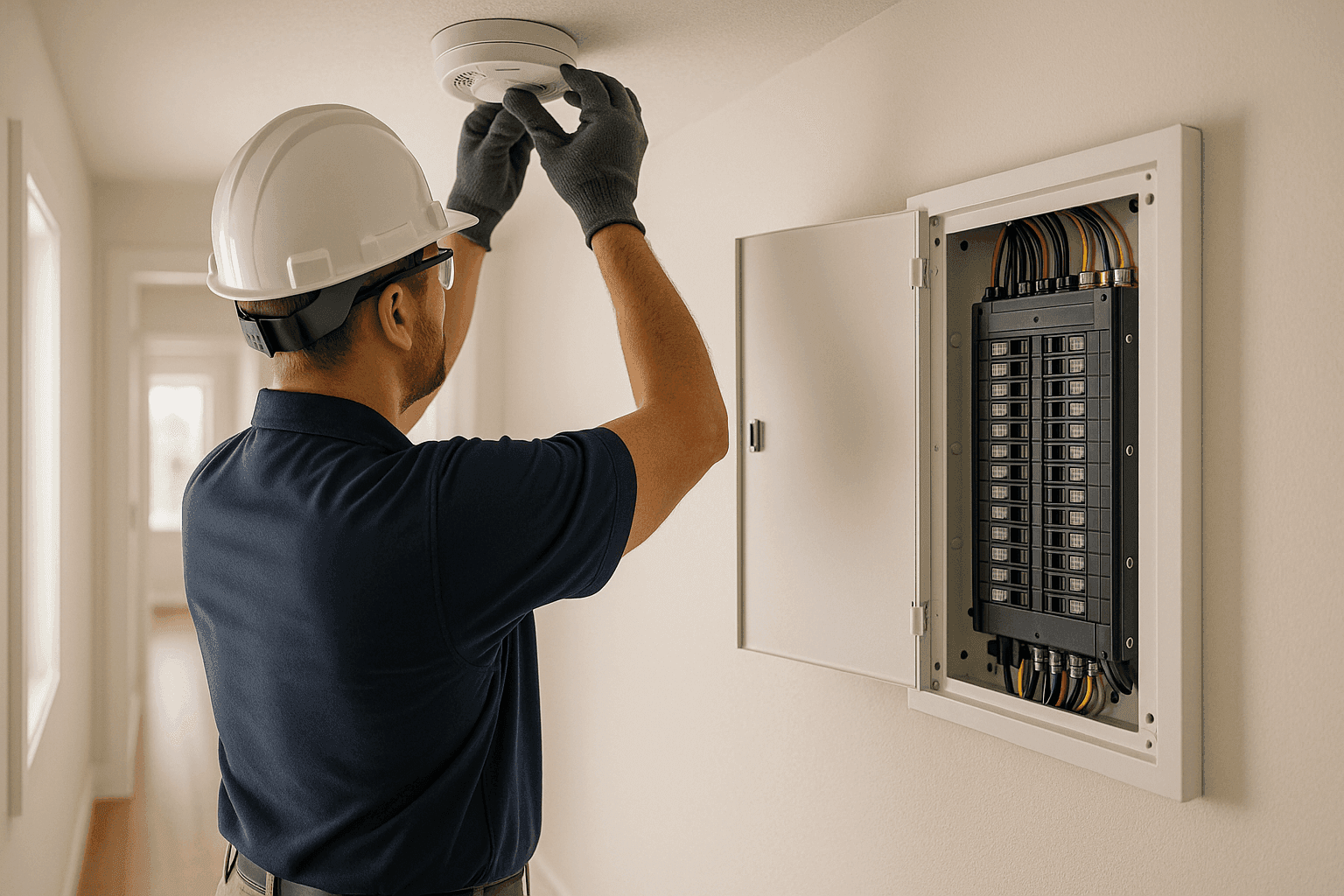
Keeping your home safe is a top priority. Electrical fires don’t give warnings—they spark suddenly and can change lives in moments. If you’ve ever wondered whether your wiring is safe or your appliances are putting you at risk, you’re not alone.
At Heintz Electric, we’ve seen firsthand how small problems can turn into real danger. Our electricians have years of experience providing [Electrical System Installation near you] and know what it takes to keep families safe.
Common Fire Hazards in Your Home ⚡
Electricity is the heart of your home, but it can also be unpredictable. Think of your home’s wiring like a set of veins—if something clogs or bursts, the whole system feels it. Here are the main culprits behind electrical fires:
- Overloaded Circuits: Plugging too many devices into one outlet or power strip makes wires heat up—sometimes beyond what they can handle.
- Aging or Damaged Wiring: Homes built before the 1980s often have wires that weren’t made for today’s electrical load. Frayed or cracked insulation? That’s an open invitation for sparks.
- Faulty Appliances: Old toasters, loose plugs, or any device that smells “hot” can quickly become a hazard.
- Improper DIY Work: Electrical tape and guesswork won’t cut it. Incorrect repairs or amateur installations are risky.
- Extension Cords: Designed for temporary use, not as permanent wiring. Running them under rugs or behind furniture increases fire risk.
Quick Safety Checklist
Want to know if your home is at risk? Start with this simple checklist:
- Are outlets warm or discolored?
- Do fuses blow or breakers trip regularly?
- Any buzzing, sizzling, or sparking sounds?
- Do lights flicker or dim unexpectedly?
- Are cords frayed or damaged?
- Are smoke and carbon monoxide detectors working?
If you checked “yes” to any of the above, it’s time to pay attention.
DIY vs. Call a Pro
Some fixes are simple, like replacing a burnt-out bulb. Others need a trained electrician. How do you know which is which?
DIY is okay for:
- Resetting a breaker or replacing fuses
- Changing light bulbs
- Testing outlets with a plug-in tester
Call a professional for:
- Rewiring or adding circuits
- Replacing outlets or switches
- Installing large appliances, ceiling fans, or panels
- Recurring breaker trips
- Any sign of melting, burning, or sparking
If you’re unsure, err on the side of caution. Electricity is not forgiving.
What Electricians Do On Arrival
When you call Heintz Electric for a Safety Check, our process is thorough and based on the latest safety codes, including the National Electrical Code (NEC).
- Inspection: We start by examining your breaker panel, outlets, and visible wiring. We look for signs of overheating, improper connections, or outdated equipment.
- Testing: Using industry-grade tools, we check circuit loads, grounding, and voltage levels.
- Recommendations: After the assessment, you’ll get a clear, honest list of recommendations—never upsells, just facts about what’s safe and what’s not.
Every home is different. Our electricians tailor their advice to your specific needs and concerns.
Prevention Tips for Every Homeowner
Prevention is worth a pound of cure. Here’s how you can keep your home safe between professional inspections:
- Don’t overload outlets. Spread out appliances, especially in the kitchen and bathroom.
- Replace old or damaged cords. Never tape over cracks—swap them out.
- Use the right bulbs. Lamps and fixtures list their wattage for a reason.
- Unplug unused devices. Chargers, toasters, and hairdryers draw power even when off.
- Keep electrical items away from water. Always dry your hands before plugging in.
For bigger upgrades—like adding circuits, rewiring, or installing surge protection—rely on a licensed electrician.
The Importance of Regular Inspections
Think of an electrical inspection as a check-up for your home. Wiring, like everything else, ages and wears out. At Heintz Electric, our electricians recommend an inspection:
- Every 3–5 years for most homes
- Immediately after any major renovation
- Before buying or selling property
- If your home is over 40 years old
Regular checks help identify hidden dangers before they turn serious. It’s not just about code compliance—it’s about peace of mind.
Code Compliance: Why It Matters
Electrical codes exist for a reason: to keep people safe. The National Fire Protection Association (NFPA) and the National Electrical Code (NEC) set the standard. Staying up to code means your wiring, panels, outlets, and appliances meet strict safety requirements.
Homes not up to code put families at risk—not just for fires, but for insurance issues and legal trouble. Always hire a licensed electrician who knows the latest codes and insists on doing things right.
Installing Detectors: Your First Line of Defense 🔔
Smoke and carbon monoxide detectors don’t just beep—they save lives. According to the U.S. Fire Administration, homes without working detectors are twice as likely to suffer fatalities in a fire.
Where to install detectors:
- Inside and outside each bedroom
- On every level of your home, including the basement
- In the kitchen (but not too close to the stove)
Test monthly. Change batteries every six months, and replace units every 10 years.
For professional installation and advice, see our Smoke & Carbon Monoxide Detectors service page.
Signs of Trouble: What to Watch For
Electrical issues often whisper before they shout. Don’t ignore these warning signs:
- Frequent breaker trips or blown fuses
- Flickering or dimming lights
- A faint burning smell—especially near outlets or appliances
- Outlets that feel warm to the touch
- Buzzing or crackling sounds from switches or walls
If you notice any of these, schedule an inspection right away.
When It’s an Emergency
Sometimes, you need help fast. If you see smoke, sparks, or flames coming from any electrical source:
- Cut power at the main breaker if it’s safe.
- Call 911.
- Evacuate everyone from the area.
Once the emergency is under control, contact Heintz Electric for a full assessment and repairs.
Costs & Time Factors
Worried about the cost of electrical work? The price of prevention is always less than the cost of fire damage. Most safety checks and minor repairs can be completed within a day—minimal disruption, maximum peace of mind.
Major updates (like full rewiring) take longer, but our team works quickly and keeps you informed every step of the way.
Common Mistakes Homeowners Make
- Ignoring warning signs: Hoping the problem will go away only makes things worse.
- DIY fixes without know-how: YouTube videos aren’t a substitute for training and certification.
- Using the wrong extension cords: Only use cords rated for the device and never as permanent wiring.
- Forgetting about outdoor wiring: Moisture and weather can quickly damage unprotected wires and outlets.
Seasonal Considerations
- Winter: Space heaters and holiday lights increase demand. Don’t overload circuits.
- Summer: Air conditioners and pool equipment should be on dedicated circuits.
- Storm season: Surge protectors and backup generators can keep your home running safely during outages.
Timeline & Disruption
Most electrical safety checks take 1–2 hours. If repairs are needed, we’ll explain what’s required, how long it will take, and the steps involved—no surprises.
Our goal is to keep your daily routine on track, with as little disruption as possible.
Materials & Equipment Used by Pros
Heintz Electric uses only UL-listed parts and follows manufacturer guidelines. From panels and breakers to detectors and surge protectors, we select reliable materials for every job.
All work is performed by licensed electricians trained in the most current safety codes.
Frequently Asked Questions
What should I do if my breaker keeps tripping?
Stop using the affected circuit and call an electrician. Persistent trips often mean there’s a hidden issue.
How often should I replace my smoke detectors?
Every 10 years, and test them monthly.
Is old wiring always dangerous?
Not always, but it should be inspected regularly—especially if you notice performance changes or have added new appliances.
What’s the difference between a safety check and a code inspection?
A safety check focuses on immediate hazards; a code inspection covers compliance with current regulations. Both are important.
Why Choose Heintz Electric?
Our team is licensed, insured, and up-to-date on all the latest safety codes. We’re committed to clear communication, honest recommendations, and protecting your home as if it were our own.
If you’re in the area, check our electrician company page for Sapulpa to see how we help local homeowners.
Electrical safety doesn’t have to be overwhelming. With the right information, regular care, and a reliable electrician on your side, your home can stay safe year after year.
Call Heintz Electric now — or reach us anytime at 877-315-8745 .