How to Safely Replace Outlets & Switches at Home
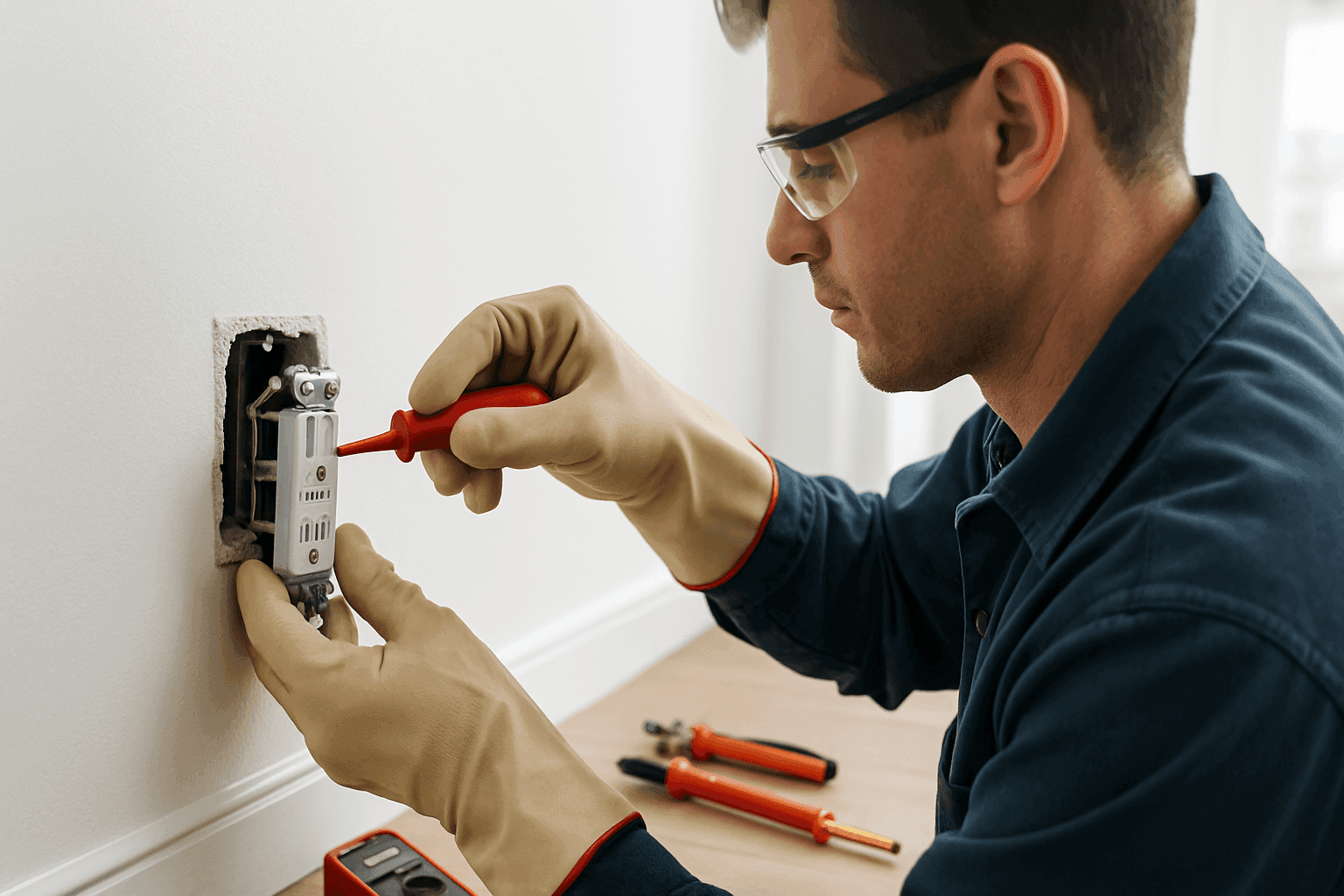
Have you ever flipped a light switch and felt a strange warmth, or plugged in your charger and found the outlet loose? These small signs can point to bigger electrical issues. Most homeowners will face a worn-out outlet or switch eventually, and the urge to fix it yourself is strong. But electricity is as unforgiving as a wild river—one wrong move, and things can go sideways fast.
At Heintz Electric, we know electrical repairs demand respect. We want to guide you through the safest way to handle outlet and switch replacements, and most importantly, help you spot when it’s time to call in an electrician.
When to Replace Outlets & Switches ⚡
Not all outlets and switches are created equal—or last forever. Here are signs it’s time to act:
- Cracks or broken covers: Exposed wiring is an open door to shocks.
- Sparking or buzzing: A silent system is a safe one. If you hear noise, something's wrong.
- Heat or discoloration: Outlets and switches should never feel warm.
- Loose plugs or switches: A wobbly outlet is an accident waiting to happen.
- Frequent breaker trips: This can signal a deeper wiring problem.
- No power: If an outlet or switch stops working but others are fine, replacement may be needed.
If you spot any of these, don’t ignore them. Sometimes, what looks like a small fix is a sign of a bigger issue beneath the surface.
Tools & Safety: What You’ll Need and How to Prepare 🧰
Before you unscrew a single plate, gather the right gear:
- Screwdrivers (flat and Phillips)
- Voltage tester or multimeter (non-contact preferred)
- Needle-nose pliers
- Wire stripper/cutter
- Replacement outlet or switch (always match the type and amperage)
- Electrical tape
- Flashlight (for tricky spots)
- Insulated gloves (optional but adds a layer of protection)
Safety First:
- Always turn off power at the breaker—never trust the switch alone.
- Use the voltage tester on all wires before touching.
- Work in dry conditions. Wet hands and electricity never mix.
- If you’re unsure, stop immediately and call a licensed electrician.
Important: Never attempt electrical work if you’re uncomfortable or unsure about any step. Code compliance is essential—not just for safety, but for insurance and resale value.
Step-by-Step Instructions: Replacing an Outlet or Switch
1. Turn Off the Power
Find your breaker box. Shut off the circuit controlling the outlet or switch. Tape a note on the panel so no one else turns it back on.
2. Test for Power
With your voltage tester, check the outlet or switch—both screws and terminals. If it lights up or beeps, the power is still on. Don’t proceed until it’s dead.
3. Remove the Cover Plate
Unscrew the faceplate and set it aside.
4. Unscrew the Outlet or Switch
Carefully pull it out from the wall box. You’ll see wires attached to screws or push-in holes.
5. Take Note of the Wiring
Before disconnecting anything, snap a picture or sketch the wire layout. Outlets and switches can be wired in more than one way.
6. Disconnect the Wires
Loosen terminal screws or release wires from push-in connectors. If wires are frayed, trim and restrip the ends.
7. Connect the New Device
Match wires to the same spots. Usually:
- Black (hot) to brass screws
- White (neutral) to silver screws
- Green or bare (ground) to green screw
Tighten screws firmly, but don’t overtighten and damage the wire.
8. Secure and Test
Gently fold the wires back, screw the device into the box, and replace the cover plate. Restore power at the breaker. Test with a plug-in device or switch.
9. Inspect Your Work
Check for warmth, sparks, or buzzing. If anything feels off, shut the power and call an electrician immediately.
DIY vs. Call a Pro: Where to Draw the Line
Some jobs are perfect for a confident homeowner. Others aren’t worth the risk:
- Call an electrician if:
- There are more than three wires, or wires are different colors than expected.
- The outlet or switch controls multiple locations.
- You see aluminum wiring (usually gray instead of copper).
- There’s moisture or water damage near the box.
- You’re replacing a GFCI or AFCI outlet and don’t know the difference.
- The breaker doesn’t trip when you test.
When in doubt, bring in a professional. For complex repairs, [electrical system installation near you] can save you from costly mistakes and keep your household safe.
Common Hazards: What Can Go Wrong
Electricity is invisible, but its dangers aren’t. Here’s what to watch for:
- Shocks: Even a small jolt can be dangerous, especially for children or pets.
- Short circuits: Miswiring can start fires behind your walls.
- Overloaded circuits: The wrong device or too many wires can overheat.
- Code violations: Improper repairs can void insurance and create future headaches.
The National Fire Protection Association (NFPA) and local building codes set strict requirements for a reason—don’t sidestep them.
Code Compliance: Why It Matters
Electrical codes (like the National Electrical Code, NEC) exist to protect you—and your investment. If you skip steps or use the wrong parts, you risk not just your safety, but your home value. When in doubt about code, call Heintz Electric.
After the Fix: Inspection and Testing
Finishing the job is only half the work. Always:
- Test with your voltage tester.
- Plug in a lamp or phone charger.
- Check for warmth or strange smells.
- Inspect for loose plates or movement.
If you’re preparing for a home sale or insurance inspection, consider a professional Repairs.
Prevention & Maintenance Tips
Keep things running smoothly (and safely) with these habits:
- Test GFCI and AFCI outlets monthly.
- Tighten loose faceplates.
- Replace old or brittle outlets every 10-15 years.
- Avoid overloading outlets with adapters or extension cords.
What Pros Do On Arrival
When an electrician arrives, they don’t just swap parts:
- Inspect for hidden issues in the wiring and panel.
- Test for proper grounding.
- Ensure all connections meet code.
- Advise if an upgrade is needed for appliances or modern electronics.
Timeline & Disruption: What to Expect
A single outlet or switch replacement can take 10–30 minutes for a simple job. But if there are wiring surprises or code issues, expect it to take longer. Multiple repairs may mean shutting off power to larger areas of your home.
Materials & Equipment: Quality Counts
Not all outlets and switches are built the same. Cheap parts can fail fast, or even melt. Buy UL-listed devices from reputable hardware stores. If you’re updating to tamper-resistant or smart devices, follow manufacturer instructions closely.
Seasonal Considerations
- Wet seasons: Extra caution around outdoor outlets, pools, or spas.
- Holidays: Extra lights or decorations can overload circuits. Inspect before plugging in.
- Renovation season: Always check wiring before painting or drywalling.
Frequently Asked Questions
Q: Can I replace a two-prong outlet with a three-prong?
A: Only if your home is grounded. If not, call an electrician to upgrade safely.
Q: Why does my outlet still not work after replacement?
A: The issue could be upstream—a tripped GFCI, bad wiring, or a faulty breaker.
Q: Are smart switches safe to install myself?
A: If the wiring matches the manufacturer’s instructions and you’re comfortable, yes. Otherwise, call a pro.
Emergency Situations: When to Act Fast
- Burning smell or smoke from an outlet or switch
- Visible sparks or arcing
- Water leaks near electrical boxes
- Repeated breaker trips
In these cases, shut off your power and contact an electrician immediately.
Common Mistakes to Avoid
- Not shutting off the correct breaker
- Mixing up hot and neutral wires
- Overtightening screws and cracking devices
- Ignoring code requirements or using the wrong device type
Remember: A small mistake with electricity can have big consequences. If you’re ever unsure, Heintz Electric is just a call away.
Call Heintz Electric now — or reach us anytime at 877-315-8745 .