How to Safely Install Outdoor Lighting & Outlets
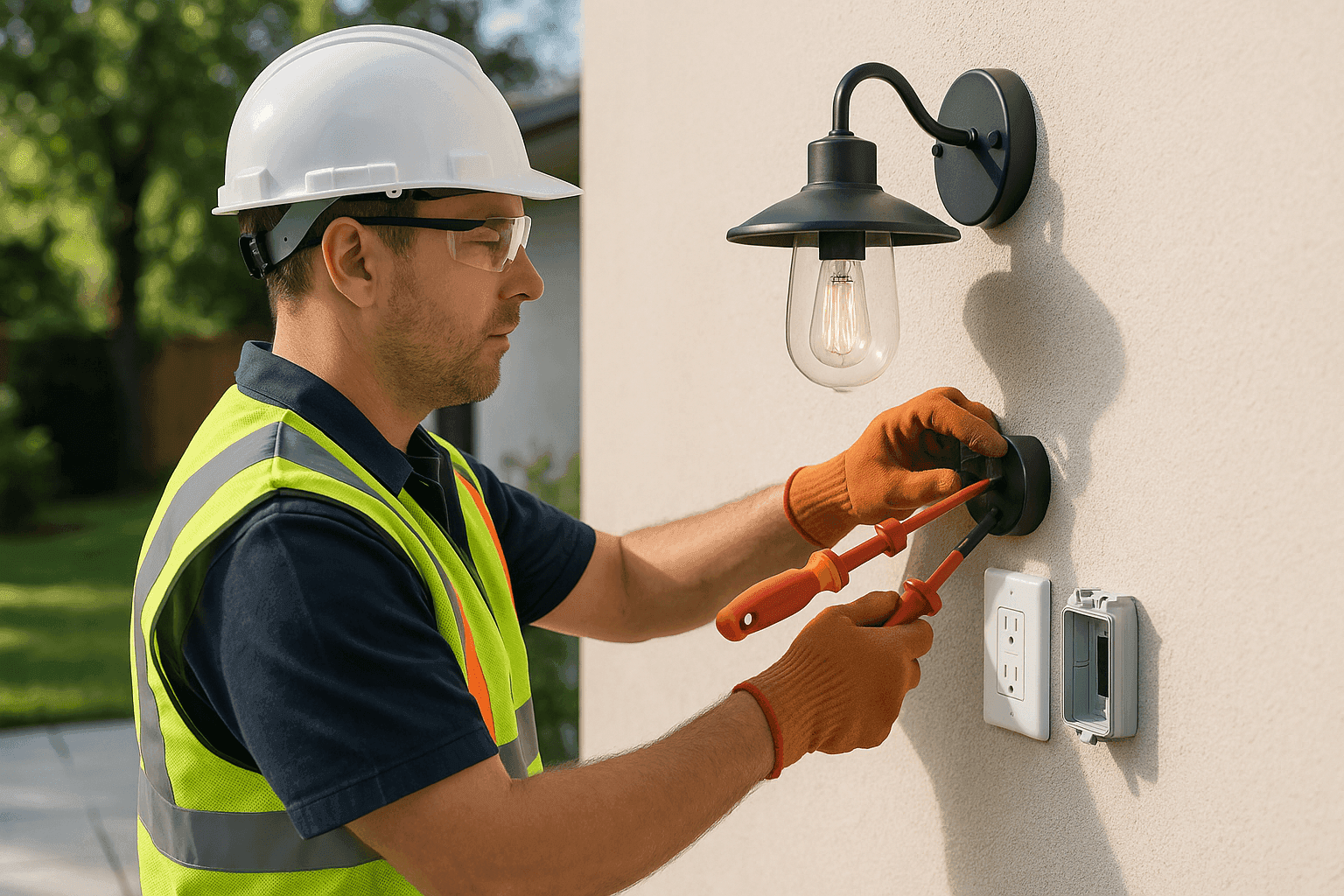
Stepping onto your patio at dusk should feel like a scene from your favorite movie—soft light, safe steps, and everything working as it should. But outdoor electricity isn’t something to take lightly. One wrong connection, and you’re risking more than a flickering bulb.
That’s why homeowners trust Heintz Electric. We know outdoor installations are about more than looks. It’s about safety, longevity, and peace of mind. Let’s break down what it really takes to safely install outdoor lighting and outlets, so your backyard dreams don’t turn into electrical nightmares.
Outdoor Lighting Options
Outdoor lighting comes in all shapes and sizes—each with a purpose as unique as your home. Some options cast a gentle glow; others boldly light up every corner.
- Pathway lights: These mark walkways, keeping steps safe after dark.
- Floodlights: Bright and broad, perfect for driveways or security.
- Wall sconces: Mounted on exterior walls, these add charm and visibility.
- Post lights: Great for garden beds or along fences.
- Deck and step lights: Tucked into stairs or railings for subtle, trip-free evenings.
When choosing, think about function. Are you keeping guests safe, deterring prowlers, or just setting a mood? Light fixtures rated for outdoor use are a must. Look for the “wet location” label—anything less, and you’re inviting trouble when the weather turns wild.
Choosing the Right Outdoor Outlets
Outdoor outlets are different from their indoor cousins. They face rain, snow, and sometimes critters looking for a home. The National Electrical Code (NEC) requires outdoor outlets to be protected by a Ground Fault Circuit Interrupter (GFCI). That’s the little lifesaver that cuts the power if moisture sneaks in.
Placement matters too. Outlets should be at least 12 inches above the ground (higher in flood-prone areas). Plan for convenience—think grills, lawn tools, or holiday lights—but don’t overload a single outlet with too many devices.
Weatherproofing Steps 🛡️
Water is electricity’s mortal enemy. Keeping it out is key. Here’s how:
- Install weatherproof boxes: These are tough, gasket-sealed enclosures that shield wiring and connections.
- Use “in-use” covers: Even when something’s plugged in, the outlet stays protected.
- Seal all gaps: Silicone caulk around boxes keeps rain from sneaking in.
- Pick outdoor-rated wiring: Look for UF (underground feeder) cable for buried lines or sunlight-resistant sheathing for exposed runs.
- Raise outlets: Higher placement keeps them clear of puddles or snowdrifts.
Don’t skip these steps—shortcuts here can lead to shocks, tripped breakers, or worse.
GFCI: The Non-Negotiable
GFCIs save lives. They sense when electricity is flowing somewhere it shouldn’t—like through water or a person—and shut things down instantly. The NEC (Article 210.8) mandates GFCI protection for all outdoor outlets. If yours aren’t up to code, it’s time for an upgrade.
Test your GFCI every month. Just push the “test” button and make sure power cuts off, then reset. If it won’t trip, call an electrician before using that outlet again.
Placement Tips for Safety & Convenience
A good plan makes all the difference. Map out where you need light and power:
- Entry points: Near doors, garages, sheds.
- Gathering spaces: Patios, decks, pools (use extra caution near water).
- Hidden corners: For security lighting.
- Garden beds: For accent lights or pumps.
Keep cords and fixtures away from walkways to prevent trips. And don’t forget: any outlet within six feet of a sink, fountain, or pool needs GFCI protection.
Safety & Code: What You Need to Know
Electrical codes aren’t just red tape—they’re there to keep your family safe. The NEC sets the standard, but your local rules may be even stricter. For example:
- Conduit: Outdoor wiring often needs to run through protective conduit (PVC or metal) to guard against damage.
- Box fill: Don’t cram too many wires in a single box; heat buildup can cause fires.
- Breaker sizing: Use the correct amperage for outdoor circuits—too small, and you’ll trip constantly; too large, and you risk overheating wires.
Always check with your local building department. Permits are usually required for new circuits or major upgrades.
Quick Safety Checklist
Before you flip that switch:
- Double-check that power is off at the breaker.
- Test all wires with a voltage tester.
- Use only UL-listed, outdoor-rated materials.
- Never work in wet conditions.
- If it feels over your head, call a licensed electrician.
DIY or Professional Installation?
It’s tempting to save a buck with DIY, but outdoor electrical work isn’t a weekend craft project. It’s like building a bridge: one weak spot can collapse the whole thing.
A professional electrician brings tools, training, and a sharp eye for code. Mistakes—like buried wires too shallow, missing GFCI, or poor weatherproofing—can go unnoticed until disaster strikes.
If you’re searching for "Electrical System Installation near you," remember: nothing beats a job done right the first time.
What Happens When the Pros Arrive
When you call Heintz Electric, here’s what to expect:
- Assessment: We listen to your needs and inspect your space.
- Design: We create a plan that fits your home, your style, and your budget.
- Installation: We use the right materials, follow code, and test everything.
- Cleanup: We leave your yard as tidy as we found it.
- Walkthrough: We show you how everything works, answer questions, and explain maintenance.
We believe in clear communication and quality craftsmanship, every time.
Common Mistakes to Avoid
- Skipping GFCI outlets.
- Using indoor fixtures outside.
- Not sealing boxes or covers.
- Overloading circuits with too many devices.
- Running extension cords as a permanent fix (never safe).
Don’t let small errors turn into big headaches.
Seasonal Considerations 🌦️
Outdoor outlets and lights face harsh seasons. In winter, snow and ice can seep into unsealed boxes. In summer, UV rays degrade plastic and wiring.
Check your fixtures and covers every spring and fall. Replace cracked boxes. Tighten loose screws. Clean out dirt and leaves—nature loves to invade.
Signs of Trouble
You might notice:
- Flickering lights.
- Outlets that feel warm.
- Tripped breakers.
- Sparks or buzzing noises.
If you spot any of these, shut off power and call an electrician right away. Safety first, always.
Ongoing Maintenance
Like any part of your home, outdoor electrical systems need attention. Make a habit of:
- Testing GFCI outlets monthly.
- Inspecting cords and plugs for wear.
- Cleaning covers and keeping them free of debris.
- Scheduling periodic safety checks.
A little care goes a long way. For more on regular maintenance, see our installations and outlets & switches service pages.
Emergency? Here’s What to Do
If you see smoke, smell burning, or feel a shock—don’t wait. Cut power at the breaker and get everyone clear of the area. Call emergency services if needed. Then call a professional electrician to assess and repair the damage.
Costs & Time Factors
Outdoor lighting and outlets aren’t one-size-fits-all. Costs depend on:
- Number of fixtures and outlets.
- Distance from your main panel.
- Trenching or drilling needs.
- Complexity of wiring and controls.
Most installations take a few hours to a full day. Permits and inspections can add time, but skipping them risks fines and safety issues.
FAQ: Your Top Outdoor Electrical Questions
Q: Can I add outdoor outlets to an existing circuit?
A: Sometimes, but only if the circuit isn’t already maxed out. A professional can assess your panel.
Q: Do I need GFCI on every outdoor outlet?
A: Yes. It’s required by code and essential for safety.
Q: What’s the best height for outdoor outlets?
A: At least 12 inches above grade—higher in wet or snowy areas.
Q: How often should I check my outdoor electrical systems?
A: Test outlets monthly. Inspect fixtures at least twice a year.
Why Professional Installation Matters
Outdoor electrical work is like building a solid fence—it’s only as strong as its weakest post. Mistakes can lead to shocks, fires, or expensive repairs. That’s why it pays to hire a certified electrician with experience in outdoor projects.
If you’re in the Southern Tier, check out our Lighting services for more on safe, code-compliant installations.
Ready to light up your nights and power your outdoor life—safely?
Call Heintz Electric now — or reach us anytime at 877-315-8745 .