How to Safely Upgrade Old Light Fixtures
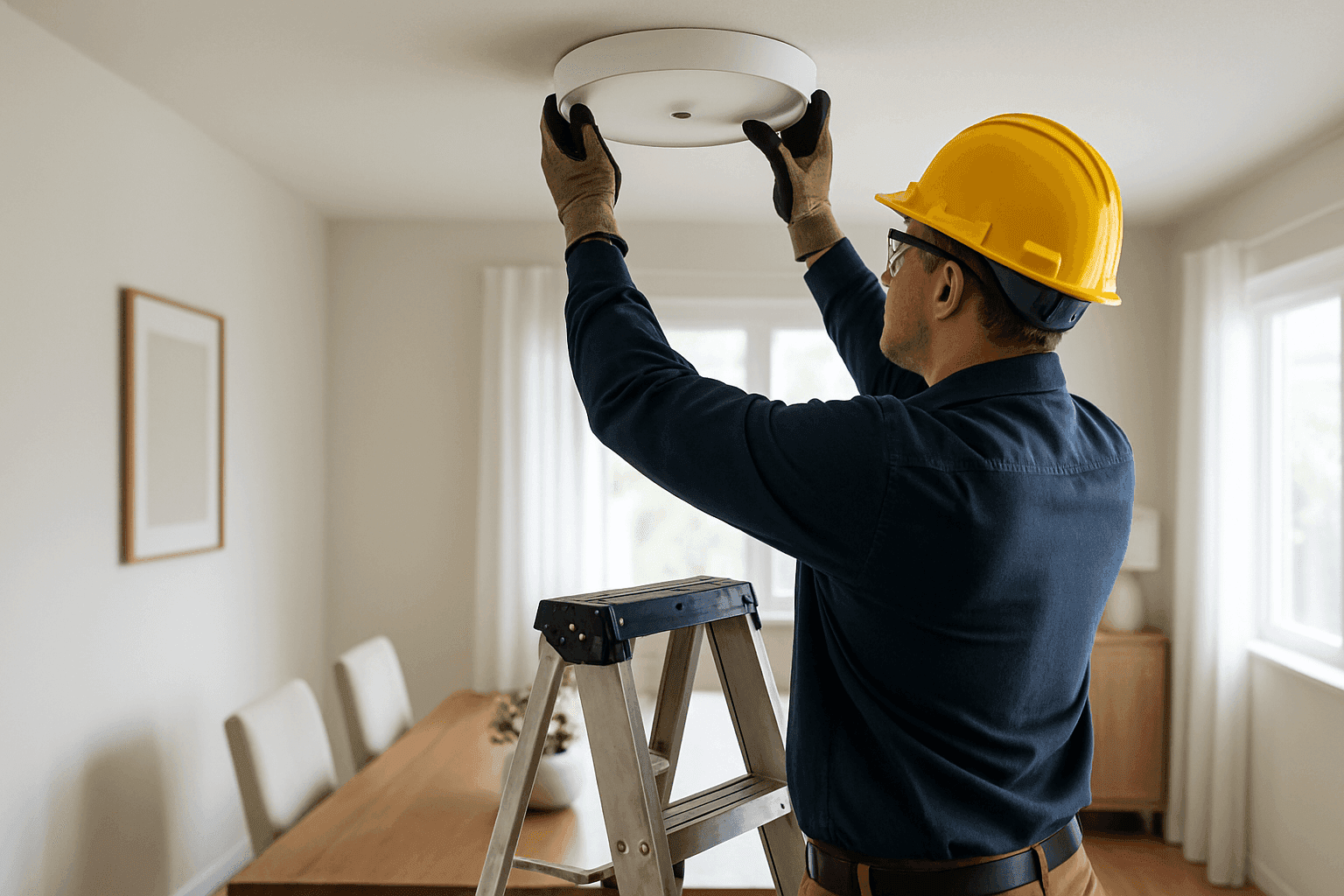
Does your living room still glow under a tired, buzzing old light fixture? Maybe you’re ready for something brighter, safer, and more energy-efficient. Or perhaps you just want your home to feel more like you. Upgrading old light fixtures brings both style and peace of mind—but only if you do it safely.
At Heintz Electric, we know the risks and rewards. Electrical upgrades can seem straightforward, but behind every switch and wire is a tangle of safety codes and hidden hazards. Let’s walk through the safest way to bring new light into your home.
Why Upgrade Fixtures?
Old fixtures are more than just an eyesore. They can be a drain on your wallet and a risk to your safety.
- Style Matters: Outdated lights can make a room feel dim or dated. A modern fixture freshens up any space instantly.
- Energy Savings: LED technology uses less power and lasts longer. That means lower bills and fewer bulb changes.
- Safety First: Aging wiring, loose connections, and brittle sockets are red flags for electrical fires. Don’t risk it.
- Home Value: Small upgrades like lighting can make a big difference when it’s time to sell.
Think of old light fixtures like worn-out shoes—they may still work, but are they really supporting you and your home?
Replacement Steps
Ready to swap out that old fixture? Follow these steps for a safer, smoother experience. ⚡
1. Turn Off the Power
- Head to your electrical panel and switch off the breaker for the room you’ll be working in.
- Use a non-contact voltage tester to ensure the power is truly off. Never trust the switch alone.
2. Remove the Old Fixture
- Unscrew the cover and gently pull down the fixture.
- Carefully disconnect the wiring. Some fixtures are heavy—have a second person hold it if needed.
3. Check the Wiring
- Inspect wires for fraying or discoloration. If anything looks brittle or burnt, stop. This could mean bigger problems.
- Compare your home’s wiring with the new fixture’s requirements. If they don’t match, it’s time to call a licensed electrician.
4. Connect the New Fixture
- Match wires: black to black (hot), white to white (neutral), green or bare copper to ground.
- Use wire nuts and electrical tape to secure each connection.
- Tuck wires safely into the electrical box.
5. Mount and Test
- Attach the new fixture firmly to the ceiling or wall.
- Turn the breaker back on and test. If it flickers or doesn’t work, double-check your connections.
Reference: The National Electrical Code (NEC) sets the standard for safe electrical installations. Always follow their guidelines or consult with a pro.
Quick Safety Checklist
- Power is OFF at the breaker.
- Voltage tester confirms no current.
- Wires are undamaged and correctly matched.
- Secure connections with wire nuts and electrical tape.
- Fixture is firmly attached—no wobbling.
Rushing is a recipe for mistakes. Take your time, or call for help.
DIY vs. Call a Pro
Swapping a simple ceiling light or sconce? Many homeowners can manage basic replacements—if they’re comfortable and follow all safety rules.
But if you spot:
- Old cloth or aluminum wiring
- Unexplained buzzing or burning smells
- Confusing wire colors or missing ground wires
- Fixtures heavier than 10 lbs
It’s time to call a professional. Complex jobs, especially with rewiring or high ceilings, need specialized tools and knowledge.
What Pros Do On Arrival
When you book an Lighting, here’s what you can expect from a licensed electrician:
- Double-checking power shut-off and circuit labeling
- Inspecting boxes for proper support and code compliance
- Testing wiring and connections for hidden faults
- Upgrading wiring or junction boxes if needed
- Properly grounding all fixtures
- Cleaning up—no dust or debris left behind
This isn’t just for peace of mind. It’s about protecting your home and everyone in it.
Prevention & Maintenance
New fixtures are only as safe as the wiring they connect to. Take time for these habits:
- Schedule regular electrical safety inspections to catch issues early.
- Dust fixtures gently to prevent overheating.
- Never exceed the recommended bulb wattage.
- Replace bulbs with cool-running LED types.
Looking for help with more than just lighting? Our Installations services cover everything from ceiling fans to home automation.
Costs & Time Factors
Swapping a basic fixture can take under an hour. Complex jobs (like chandeliers or new wiring) may need several hours—and more planning.
- Fixture cost: $20 up to $500+ for designer pieces
- Labor cost: Varies by region and job complexity
- Hidden costs: Upgrading old wiring or boxes, patching drywall
Don’t forget: safety is priceless.
When It’s an Emergency
If you notice sparks, burning smells, or smoke, leave the area immediately and call emergency services. Never try to swap or repair fixtures in an active emergency. Once things are safe, call an electrician to investigate and repair the damage.
Common Mistakes
- Forgetting to turn off the breaker (not just the switch)
- Mixing up wire colors or connections
- Over-tightening screws—this can crack fixtures or strip wires
- Using bulbs that draw too much power
Safety mistakes are like loose threads—pull on one, and the whole sweater can unravel.
Signs of Trouble
After installation, watch for:
- Flickering or dimming lights
- Hot switch plates or fixtures
- Frequent tripped breakers
- Odd buzzing or crackling sounds
If you spot these, act fast. Electrical issues rarely fix themselves.
Timeline & Disruption
Most upgrades are quick, but plan for a bit of dust, noise, and at least one power outage in the room. Clear the area of furniture and cover anything you don’t want to clean later.
Materials & Tools
- Screwdrivers (flat and Phillips)
- Voltage tester
- Wire strippers
- Wire nuts and electrical tape
- Ladder or step stool
- Safety glasses
Don’t have these? No problem—your electrician comes prepared.
FAQ
Can I upgrade any fixture myself?
If you’re swapping like-for-like and the wiring’s in good shape, yes. For new wiring or heavy fixtures, call a pro.
Do I need a permit?
In many areas, yes—especially for new circuits or major upgrades. Check your local code or ask your electrician.
Is LED always better?
For most homes, yes. LEDs are cool-running, use less power, and last much longer.
Seasonal Considerations
Spring and fall are ideal for lighting upgrades—comfortable temperatures and longer daylight hours. But if a fixture is failing, don’t wait. Safety comes first, no matter the season.
Find a Licensed Electrician Near You
Upgrading a light fixture can brighten your whole home—but only if done right. If your project turns complex, or if you’re not sure where to start, don’t risk it. For friendly, professional help, Heintz Electric is ready to assist.
If you’re searching for a reliable electrician company in Charleston, we’re here for you.
Call Heintz Electric now — or reach us anytime at 877-315-8745 .