How to Safely Upgrade Outlets & Switches in Your Home
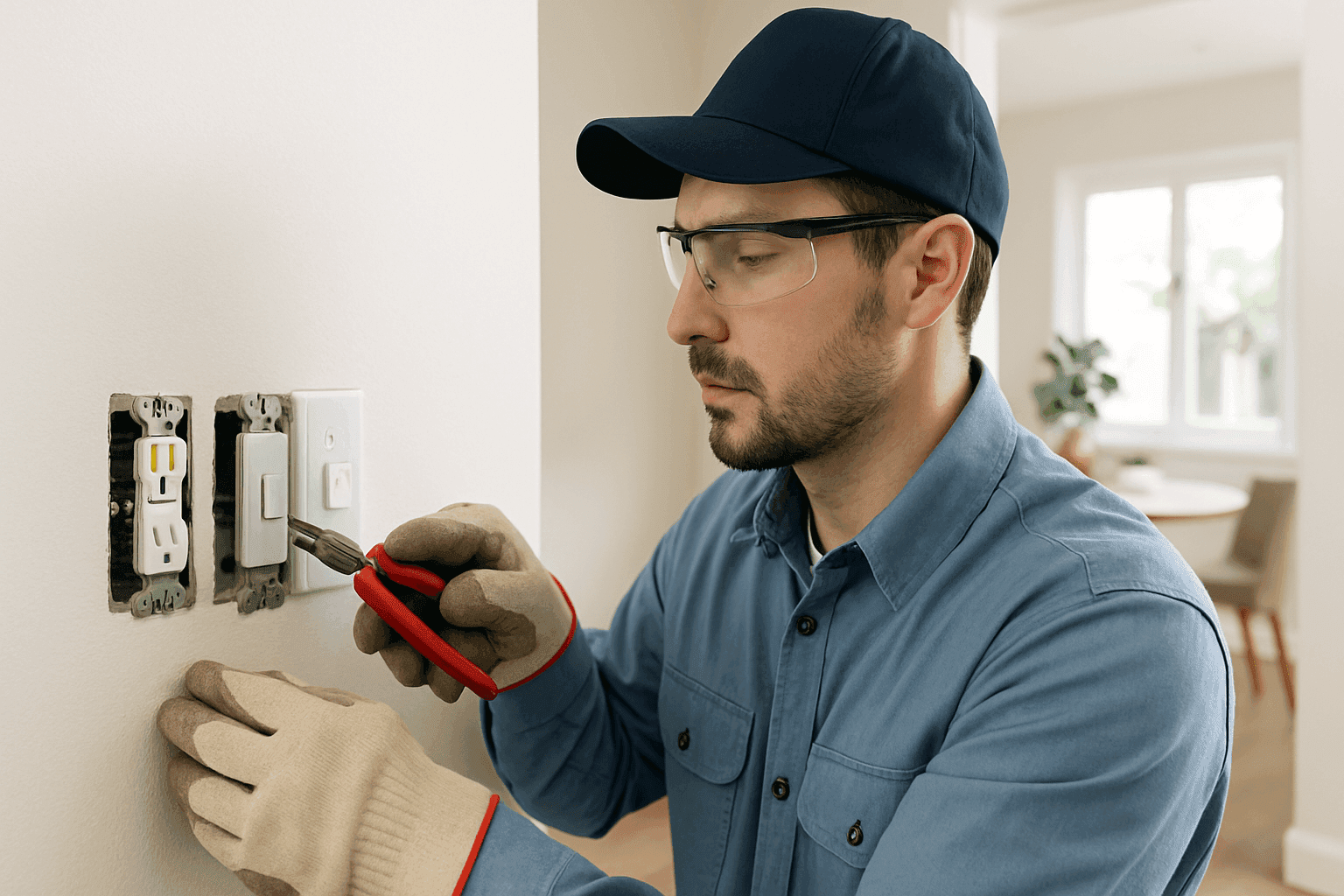
Outdated Outlets & Switches: Why Wait?
You flip a switch or plug in your phone every single day. But have you ever wondered if your home's outlets and switches are really up to the task? Old or worn components can be an unseen hazard—like a frayed rope holding up a heavy load. One weak point, and the whole system is at risk.
At Heintz Electric, we see the results of aging wiring and outdated devices daily. Upgrading isn’t just about modern convenience—it’s about keeping your family and property safe.
Quick Safety Checklist Before You Start ⚠️
Electricity is powerful—never underestimate it. Before you even pick up a screwdriver:
- Turn off power at the breaker panel for the area you’ll be working on.
- Double-check with a voltage tester. No hum, no light, no power—good.
- Never work alone, especially if you’re unsure.
- Know your limits. When in doubt, call an electrician.
- Keep hands dry and wear rubber-soled shoes.
The National Fire Protection Association (NFPA) reports that electrical issues are a leading cause of house fires. Safety isn’t a suggestion—it’s a must.
Should You DIY or Call in a Pro?
Changing a light switch or outlet might look simple, but it’s never plug-and-play for everyone. Wiring can be a maze. One wrong move, and the results can be shocking—literally.
- DIY is possible for confident homeowners with basic skills, but only for basic swaps. No new wiring, no GFCI, no smart devices unless you know code.
- Call an electrician for anything involving new wiring, GFCI/Arc-Fault devices, smart home tech, or if your home is older than 30 years.
Remember: Safe electrical work keeps everyone at home sleeping soundly.
What Happens When the Electrician Arrives
A licensed electrician brings more than a toolbox. They bring experience, up-to-date knowledge of the National Electrical Code (NEC), and the right tools for the job.
Here’s what you can expect:
- Inspection of existing wiring for wear, damage, or improper connections.
- Testing for power and grounding.
- Recommendations for upgrades—like GFCI outlets in kitchens and baths, tamper-resistant outlets for kids’ rooms, or smart switches for convenience.
- Clean, code-compliant installation and labeling.
Choosing the Right Outlet: GFCI, Tamper-Resistant, or Smart?
Not all outlets are created equal. Here’s how to pick:
- GFCI (Ground Fault Circuit Interrupter): Required by code in kitchens, bathrooms, laundry, garages, outdoors. They cut power instantly if there’s a leak—protecting you from shocks.
- Tamper-Resistant (TR): A must for homes with children. These have built-in shutters to prevent foreign objects from going in.
- Smart Outlets: Control power from your phone or voice assistant. Great for lamps, holiday lights, or anything you want on a schedule.
Always follow NEC requirements for location and type. The Consumer Product Safety Commission (CPSC) recommends upgrading to GFCI and TR outlets for added safety.
Picking the Best Switch: Standard, Dimmer, or Smart?
Switches aren’t just on and off anymore.
- Standard Toggle or Rocker: Classic, reliable, affordable.
- Dimmer Switches: Adjust your lighting for mood or energy savings—just like turning down the volume on a speaker.
- Smart Switches: Set scenes, schedules, or control remotely. Perfect for busy households or anyone wanting a bit of magic in their daily routine.
Dimming works best with compatible LED or CFL bulbs. Always check wattage and compatibility.
Step-by-Step: Upgrading Outlets the Right Way
Ready to roll up your sleeves? Here’s the right sequence:
- Shut off power at the panel. Test again—no power, no problem.
- Remove the cover plate and unscrew the old outlet or switch.
- Check the wiring. Take a picture for reference.
- Disconnect wires, noting which goes where.
- Prepare the new device. Match the wiring to the old setup.
- Secure wires firmly under screws or push-in holes (as directed).
- Mount the device in the box. No pinched wires.
- Attach the cover plate.
- Turn power back on and test with a lamp or tester.
If anything looks odd—burn marks, loose strands, brittle insulation—stop and call a professional.
Rewiring: When Simple Swaps Aren't Enough
Sometimes, swapping isn’t enough. If your outlet only has two wires, or there’s no ground, it’s time for a more serious upgrade. In older homes, rewiring ensures everything meets today’s safety standards. This often means running new cable, upgrading the breaker panel, or adding grounding.
For these complex needs, Heintz Electric’s Installations team can help you future-proof your home.
Electrical Code Compliance: Staying Legal (and Safe)
Electrical work isn’t just about “what works”—it’s about what’s safe and legal. The National Electrical Code (NEC) is updated every three years. Local rules may be even stricter.
Key points:
- GFCIs required in kitchens, baths, laundry, unfinished basements, garages, outdoors.
- Tamper-resistant receptacles required in all new and renovated homes.
- Smart switches and dimmers must match load type and be installed per manufacturer specs.
- All outlets and switches must be grounded.
Ask your electrician if you’re not sure. Permits and inspections are required for many projects.
Signs It's Time to Upgrade
How do you know your outlets or switches are due for replacement?
- Outlets are cracked, discolored, or loose in the wall.
- Plugs fall out or won’t stay put.
- Outlets feel warm or buzz.
- Switches are stiff, spark, or don’t “click.”
- You lack GFCI or TR outlets where required.
- Lights flicker when you use appliances.
These are more than annoyances—they’re warning signs.
Common Mistakes to Avoid
Even the handiest DIYers make mistakes. Here’s what to avoid:
- Forgetting to turn off the breaker.
- Reversing hot and neutral wires.
- Overfilling boxes—too many wires, not enough space.
- Using the wrong outlet for the location.
- Skipping the ground wire.
- Not using a voltage tester before starting.
- Failing to check code requirements.
When in doubt, call Heintz Electric for safe, code-compliant upgrades.
Timeline, Disruption & What to Expect
Most basic outlet or switch upgrades take 15–30 minutes each. But replacing old wiring, adding new circuits, or troubleshooting problems can take hours or even days. Plan for short power outages in the affected rooms.
Our electricians keep mess and disruption to a minimum, with full clean-up and safety checks before leaving.
Upgrades for Every Season
Think about upgrades during:
- Renovations or home makeovers.
- After buying a new home—especially an older one.
- Before holidays or family gatherings when you’ll use more power.
- When adding appliances, an EV charger, or smart home tech.
A little prep now saves a lot of headaches later.
Electrical Safety: Prevention and Peace of Mind
Preventing problems is easier than fixing disasters:
- Test GFCI outlets monthly—just press the “test” and “reset” buttons.
- Replace cover plates that are cracked or missing.
- Schedule regular safety inspections, especially in older homes or after major storms.
- Ask about surge protection and whole-house upgrades.
Heintz Electric offers Outlets & Switches services that make ongoing maintenance simple.
When Is It an Emergency?
There’s no room for hesitation when:
- You smell burning or see scorch marks.
- Outlets or switches are hot to the touch.
- You lose power to part of your home for no clear reason.
- You hear popping, buzzing, or see sparks.
Hit the breaker, leave the area if needed, and call a licensed electrician immediately.
Frequently Asked Questions
Do I need a permit to replace outlets or switches?
Basic replacements often don’t, but anything involving new wiring, GFCI, or panel work usually does. Always check with local building authorities.
How do I know if my outlets are grounded?
A three-prong outlet usually means grounded, but test with a plug-in tester or ask an electrician.
Can I mix old and new outlets or switches?
Yes, but it’s safer to upgrade all at once, especially for consistency and code compliance.
What about smart home compatibility?
Smart switches and outlets need a neutral wire and strong Wi-Fi. Check your wiring or call us to assess.
Why Licensed Installation Matters
A licensed electrician isn’t just a good idea—it’s often required by law. Our techs at Heintz Electric:
- Stay current with the latest NEC changes.
- Carry insurance for peace of mind.
- Ensure every job is safe, tidy, and built to last.
You’re not just upgrading outlets—you’re upgrading your home’s safety net.
Ready to Upgrade? Start with Heintz Electric
From swapping a single switch to a full-home upgrade, Heintz Electric brings skill, care, and up-to-date knowledge to every project. If you’re looking for reliable electrician services in Salina, we’re ready when you are.
Call Heintz Electric now — or reach us anytime at 877-315-8745 .