How to Safely Use Extension Cords & Power Strips
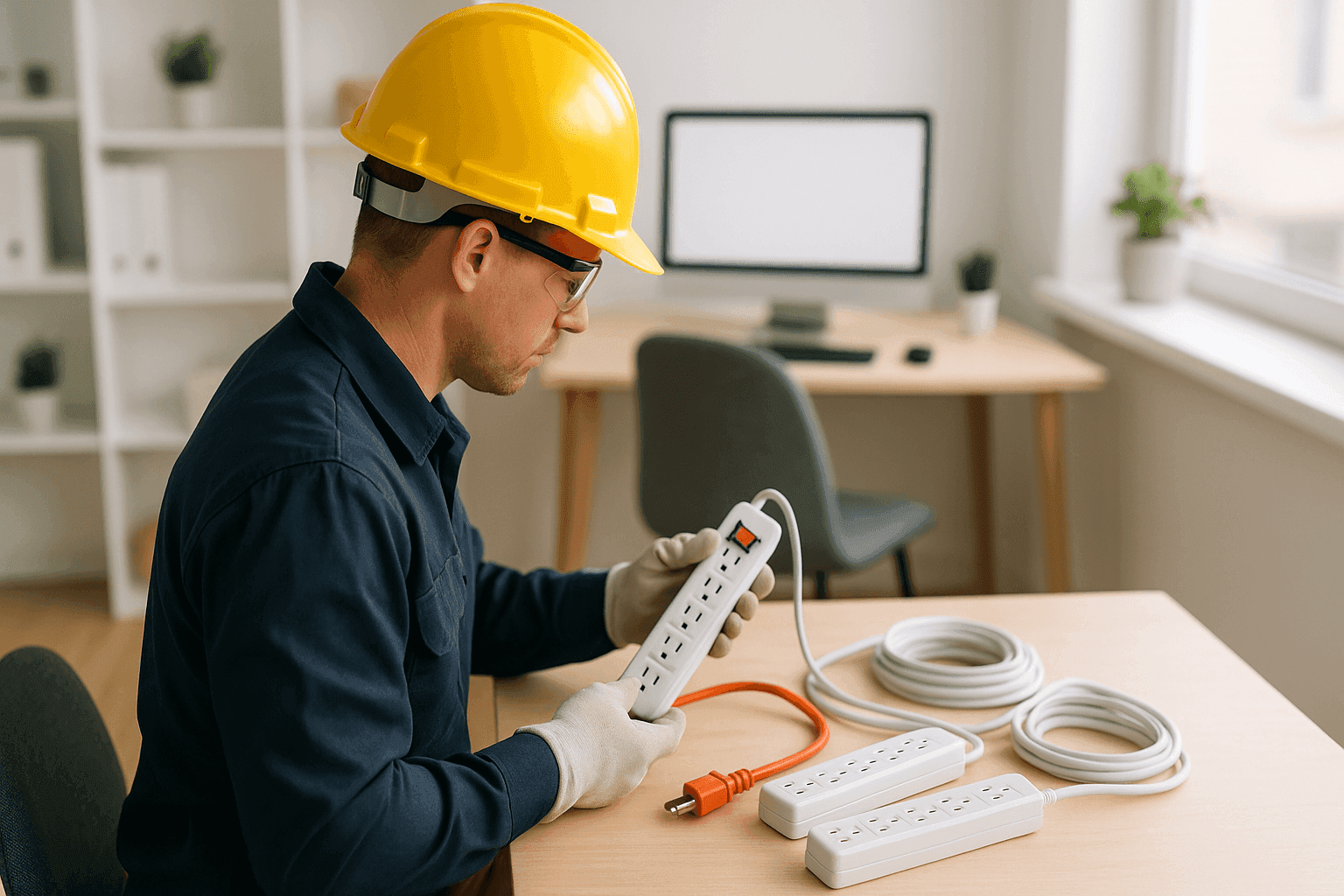
We’ve all been there—looking for an outlet, only to realize every socket is already full. So, we reach for an extension cord or a power strip. They’re quick fixes. But are they safe? What starts as a simple solution can turn risky fast.
At Heintz Electric, we see the aftermath of overloaded cords and melted plugs more often than you might think. Safe electrical use isn’t just about convenience—it’s about protecting your home and your loved ones. Let’s unravel the dangers, and more importantly, the right way to power up.
Extension Cord Dangers ⚡
Extension cords might seem like harmless helpers, but they can be wolves in sheep’s clothing if used carelessly. Here’s why:
Overloading: The Hidden Enemy
Every cord has its limits. Plug in too many devices—especially power-hungry ones like space heaters or microwaves—and you risk overheating. It’s like asking a garden hose to handle a fire hydrant’s flow. The National Fire Protection Association (NFPA) warns that overloaded cords are a top cause of electrical fires at home.
Fire Hazards Lurking
Cords hidden under rugs or behind furniture can overheat. Heat builds up. The insulation breaks down, and suddenly, you’re facing a fire risk. According to the U.S. Consumer Product Safety Commission (CPSC), thousands of extension cord-related fires are reported each year.
Trip Hazards: Accidents Waiting to Happen
Loose cords snaking across walkways are tripwires for family and guests. Falls are the most common home injury, and a hidden cord can turn any room into an obstacle course.
Wear and Tear
Extension cords are meant for temporary use. Over time, bending, pinching, or rolling over them with furniture wears down the insulation. Exposed wires? That’s a shock hazard—literally.
Power Strip Safety
Power strips multiply your outlets, but they’re not magic wands. Treating them like bottomless pits for plugs is a recipe for disaster.
Know Your Limits
Check the wattage rating. Never daisy-chain (connect one power strip to another). It’s like stacking dominoes—the whole line can tumble with one wrong move.
Surge Protectors vs. Power Strips
Not all power strips are surge protectors. A basic strip only splits power. A surge protector shields your devices from voltage spikes—think of it as a helmet for your electronics during a storm.
Where (and Where Not) to Use
- Use strips only where they’ll be visible and accessible.
- Never use power strips for large appliances (refrigerators, air conditioners).
- Keep strips away from water—never in bathrooms or near sinks.
Routine Safety Checks
- Inspect for scorch marks, frayed wires, or melted plastic.
- If a strip feels hot, unplug it immediately.
- Replace old or damaged devices. Don’t “just wiggle it” and hope for the best.
Upgrading to More Outlets
If you’re constantly reaching for an extension cord, your home is sending you a message. It’s time for a permanent fix.
Why More Outlets Matter
Adding outlets isn’t just about convenience. It’s about safety. Modern homes use more devices than ever before—phones, tablets, TVs, gaming consoles, smart home gadgets. Relying on temporary solutions is like patching a leaky boat instead of fixing the hull.
The Perks of Permanent Installation
- No more tripping or unsightly cords.
- Less risk of overload and fire.
- Cleaner, more organized spaces.
A licensed electrician can install outlets exactly where you need them—kitchens, home offices, bedrooms, garages—so you can retire those tangled extension cords for good.
Outlets & Switches: The Smart Upgrade
Heintz Electric specializes in safe, code-compliant outlet installation. We’ll make sure every plug-in point is wired right, grounded, and ready for the long haul.
Quick Safety Checklist
Before you plug in, take a minute to check:
- Cord is rated for the load (amps/watts) you need.
- No frayed or exposed wires.
- Never run cords under rugs or carpets.
- Only one heat-producing appliance per cord or strip.
- Use only UL-listed (or equivalent certified) products.
Signs It’s Time to Call a Pro
Some things are better left to the experts. If you notice:
- Outlets that spark or feel warm
- Flickering lights
- Circuit breakers that trip frequently
- Persistent burning smell near plugs
Don’t wait. Electrical issues can escalate quickly.
DIY vs. Professional Help
Changing a lightbulb? DIY. Installing new outlets or upgrading wiring? That’s a job for a certified electrician. The National Electrical Code (NEC) sets strict rules for home wiring—rules that protect your family and your investment.
What Pros Do On Arrival
When you call Heintz Electric, here’s what you can expect:
- Careful assessment of your current wiring and outlets.
- Recommendations tailored to your needs—no upselling, just honest advice.
- Safe, clean installation with minimal disruption.
- Full testing and Safety Checks before we pack up.
Prevention & Maintenance
- Don’t use extension cords as permanent wiring.
- Schedule regular electrical safety inspections. The CPSC and NFPA recommend checking your home every few years, especially if it’s older.
- Unplug devices you’re not using.
- Keep cords out of high-traffic zones.
Seasonal Considerations
Holiday lights and portable heaters are notorious extension cord hogs. Always use outdoor-rated cords outdoors, and never overload a single strip with too many decorations.
Common Mistakes to Avoid
- Plugging one extension cord into another (“daisy-chaining”).
- Using indoor-only cords outside.
- Ignoring warning signs like buzzing sounds or flickering.
Signs of Trouble
- Melted or discolored plugs.
- Cords that feel hot to the touch.
- Devices that cut out or reset frequently.
If you spot any of these, unplug everything and call an electrician.
Costs & Time Factors
Adding outlets is more affordable than dealing with a fire or injury. Most installations take just a few hours, with minimal disruption to your daily routine.
Timeline & Disruption
A straightforward outlet installation can be done in half a day. More complex rewiring might take a bit longer, especially in older homes. We always clean up before we leave.
Materials & Equipment
We use only certified, code-approved outlets, switches, and wiring. No shortcuts, no guesswork.
When It's an Emergency
If you smell burning, see smoke, or lose power to part of your home, turn off the main breaker and call for emergency service. Don’t try to fix serious electrical issues yourself.
FAQ: Extension Cords & Power Strips
Q: Are extension cords safe for long-term use?
A: No. They’re designed for temporary solutions only.
Q: Can I plug a power strip into another power strip?
A: Never. This is a major fire risk.
Q: How many things can I plug into a power strip?
A: Stay within the strip’s rated wattage. When in doubt, one high-wattage device per strip.
Q: How do I know if my home needs more outlets?
A: If you use extension cords daily or have too many devices in one spot, it’s time for an upgrade.
The Safer Path Forward
Don’t gamble with your safety. Upgrading your outlets gives your home the power—and protection—it needs. If you're unsure about your setup, schedule a professional Safety Checks visit to keep your home secure.
Call Heintz Electric now — or reach us anytime at 877-315-8745 .