Top Signs Your Home Needs Electrical System Upgrades
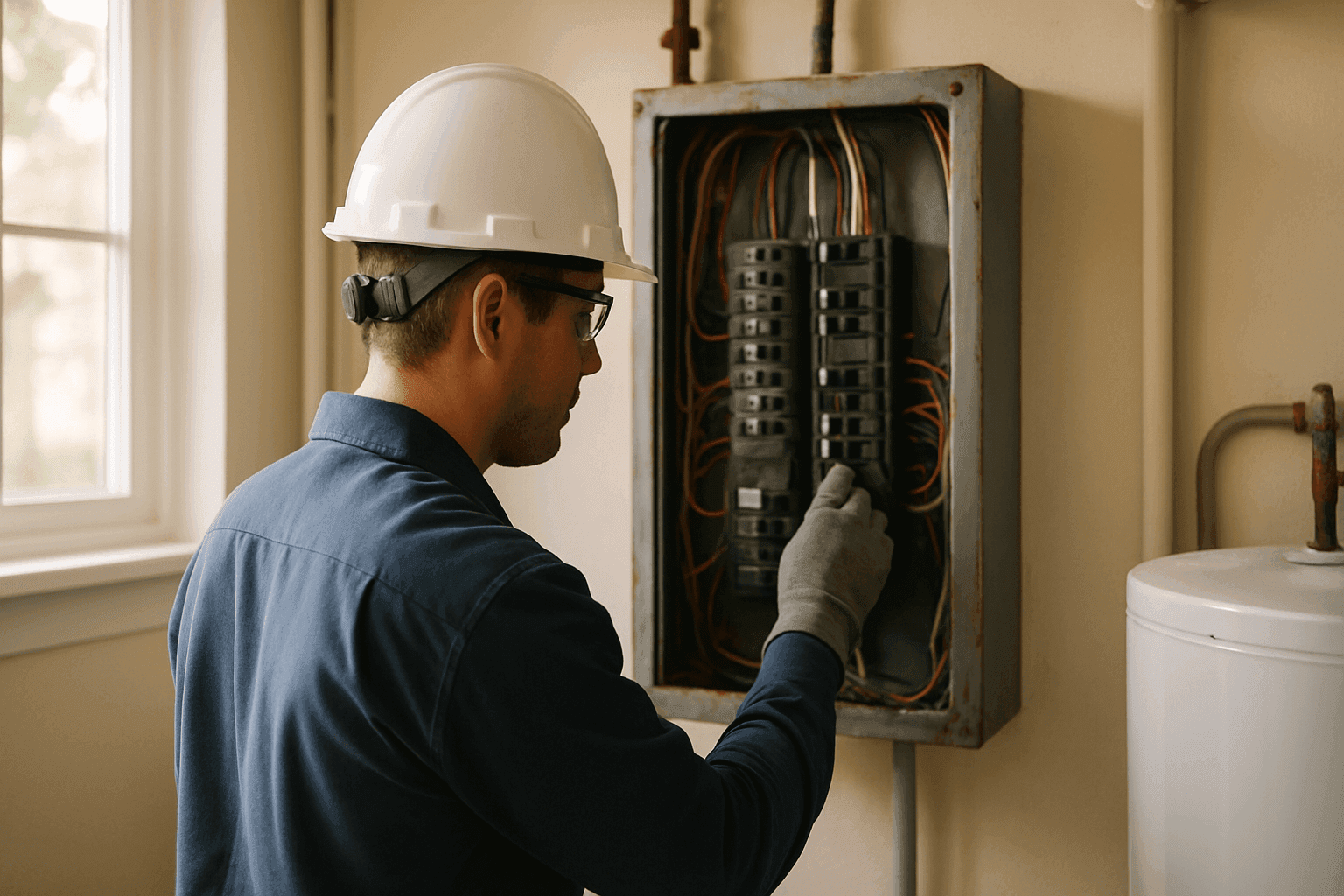
Is your home sending you signals that something’s wrong behind the walls? Sometimes, the warning signs of electrical trouble are subtle—a flicker here, a warm outlet there. Other times, it feels like the power’s playing tricks on you. It’s easy to ignore these moments, but the risks are real and can escalate fast.
At Heintz Electric, we’ve seen how small electrical issues can quickly turn into major headaches. Fires, outages, and costly repairs often start with warning signs homeowners miss. Knowing what to look for can make all the difference.
Frequent Breaker Trips: Your Home’s Cry for Help ⚡
Does your circuit breaker trip more often than you’d like? Think of breakers as your home’s built-in bodyguards. If they’re shutting off power again and again, it’s a sign your system is overloaded—or worse, there’s a hidden fault.
Why it matters:
Repeated trips can signal outdated wiring, too many devices plugged in, or something more dangerous. According to the National Fire Protection Association (NFPA), electrical distribution is a leading cause of house fires.
What to do:
If you’re resetting breakers more than once a month, it’s time to have an electrician check things out. This is never just “bad luck.”
Flickering or Dimming Lights: Not a Ghost Story
You’ve probably noticed your lights flickering when the microwave kicks on or when the AC starts. It feels spooky, but the culprit is usually electrical.
Possible causes:
- Loose wiring connections
- Overloaded circuits
- Failing switches or light fixtures
Why pay attention?
Flickering isn’t just annoying—it can be a sign of deeper wiring problems. These issues can lead to shorts, which are a fire risk.
Warm or Discolored Outlets: Hot Spots Spotted
Feel your outlets. Are any of them warm or discolored? This is never normal, no matter how many chargers or appliances you use.
What’s going on inside:
Heat means electrical resistance, and resistance means trouble. Outlets should always be cool to the touch.
Take action:
If you notice warmth, a burning smell, or any charring, unplug devices and call for an electrical safety inspection. Don’t wait—this is a leading indicator of potential fire.
Outdated Electrical Panels: The Heart Needs an Upgrade
Your electrical panel is the heart of your home’s power system. If it’s decades old—or you still have a fuse box—it may not be up to the job.
Red flags:
- Breakers are hard to reset, or won’t reset at all
- Rust, corrosion, or buzzing sounds
- No room to add new circuits for modern appliances
Why upgrade?
Old panels can’t handle today’s power demands. Upgrading improves safety, reduces outages, and is often required for insurance or home sales.
For more details about upgrading panels, see our Electrical System Installation service.
No GFCIs or AFCIs: Modern Safety Missing
Ground Fault Circuit Interrupters (GFCIs) and Arc Fault Circuit Interrupters (AFCIs) are like lifeguards for your outlets. They shut off power in dangerous situations.
Where you need them:
- Kitchens, bathrooms, garages, and outdoor outlets (GFCIs)
- Bedrooms and living areas (AFCIs)
If your home lacks these:
You’re missing serious protection. Current electrical codes (see National Electrical Code, NEC) require these for a reason: they save lives.
Buzzing Sounds or Burning Odors: The Senses Don’t Lie
Do you hear buzzing from outlets, switches, or your panel? Smell something like burning plastic? These are urgent signs.
Immediate steps:
- Turn off power to the affected area
- Unplug appliances
- Call an electrician right away
Don’t ignore the senses. They’re warning you of possible arcing, overheating, or insulation failure.
Extension Cords Everywhere: A Sign of Trouble
If you’re using extension cords as permanent solutions, your home doesn’t have enough outlets. This isn’t just inconvenient—it’s unsafe.
Why it matters:
Cords can overheat, trip, or get damaged. Modern living needs more power points, not more cords.
Old or Aluminum Wiring: Past Its Prime
Homes built before 1970 often have outdated wiring, sometimes even aluminum. Aluminum wiring is notorious for safety issues: it expands and contracts, loosening connections.
What to look for:
- Frequent electrical issues in an older home
- Outlets or switches that don’t work as expected
Solution:
Consider Rewiring if your home is still running on old or aluminum wires. It’s an investment in safety and future-proofing.
Lack of Enough Circuits for Modern Living
Adding new appliances, a home office, or an EV charger? Your original wiring may not handle the load.
Symptoms:
- Lights dimming when large appliances run
- Circuit breakers tripping with new devices
- “Daisy-chained” power strips everywhere
Upgrading circuits keeps your home ready for technology—without the risk.
What Happens if You Ignore These Signs?
It’s tempting to hope the problem will go away. But electrical issues don’t fix themselves—they get worse.
Risks include:
- Fire hazards from overheated wires
- Complete power loss during critical moments
- Voided insurance or failed safety inspections
- Code violations that stop home sales
The cost of prevention is always less than the cost of disaster.
The Benefits of Upgrading Your Electrical System
Upgrading isn’t just about avoiding disaster. There are real, lasting benefits:
- Peace of mind: Know your family is safe.
- Energy efficiency: New panels and wiring handle today’s loads with less waste.
- Increased resale value: Up-to-date systems are a must for buyers.
- Insurance compliance: Many providers require upgraded systems for coverage.
Quick Safety Checklist for Homeowners 📝
Here’s what you can check right now:
- Test GFCI outlets (they should “click” and reset easily)
- Feel outlets and switches for heat
- Check for flickering or dimming lights
- Listen for buzzing at your panel or outlets
- Look for extension cords in daily use
If you spot two or more issues, it’s time for an electrical safety inspection.
DIY vs. Call a Pro: Knowing Your Limits
Changing a lightbulb? Go for it. Replacing your own panel? That’s another story.
What you can do safely:
- Unplug devices if you notice heat or smells
- Test and reset GFCIs
- Check your breaker for tripped switches
When to call Heintz Electric:
- Any sign of burning, buzzing, or heat
- Repeated breaker trips
- Panel or wiring upgrades
Licensed electricians have the training and equipment to work safely and up to code.
What a Licensed Electrician Does on Arrival
When you call us, we start with a detailed inspection. We’ll:
- Test circuits and outlets
- Check panel capacity and wiring condition
- Inspect for proper GFCI/AFCI installation
- Identify code violations
We follow National Electrical Code (NEC) guidelines and issue certificates after major upgrades, giving you documentation for insurance or resale.
Timeline and Disruption: What to Expect
Worried about mess and downtime? Most upgrades—from panel swaps to rewiring—can be done in a day or two, with our team keeping disruption to a minimum.
We’ll always let you know what to expect before we begin, so you can plan ahead.
Emergency Signs: Don’t Wait
If you notice sparking, persistent burning smells, or lose power to critical areas, this is an emergency. Turn off your main breaker if safe to do so and call for emergency electrician services.
Common Mistakes Homeowners Make
- Ignoring the first warning signs
- Overloading outlets with power strips
- Delaying upgrades to save money
- Attempting DIY fixes without proper training
Avoid these pitfalls by calling a licensed electrician at the first sign of trouble.
Electrical Upgrades and Your Home’s Value
Thinking about selling? Electrical upgrades are often required by home inspectors and can make or break a sale.
A home with modern wiring and panels:
- Passes inspections with flying colors
- Attracts more buyers
- Commands a higher price
Preventative Maintenance: Stay Ahead of the Curve 🔧
Schedule regular safety inspections—once every few years, or after any major renovation. This keeps your system running safely and lets you spot issues before they become big problems.
How to Get Started: Next Steps
If your home is showing any of the signs above, don’t wait. The process is simple:
- Make a list of your electrical concerns.
- Call us for a certified electrical safety inspection.
- We’ll provide a detailed report and a clear path forward.
Homeowners in the Stillwater area can learn more about working with a qualified electrician company for upgrades and repairs.
Call Heintz Electric now — or reach us anytime at 877-315-8745 .