Smart Thermostats: Benefits, Installation & Savings
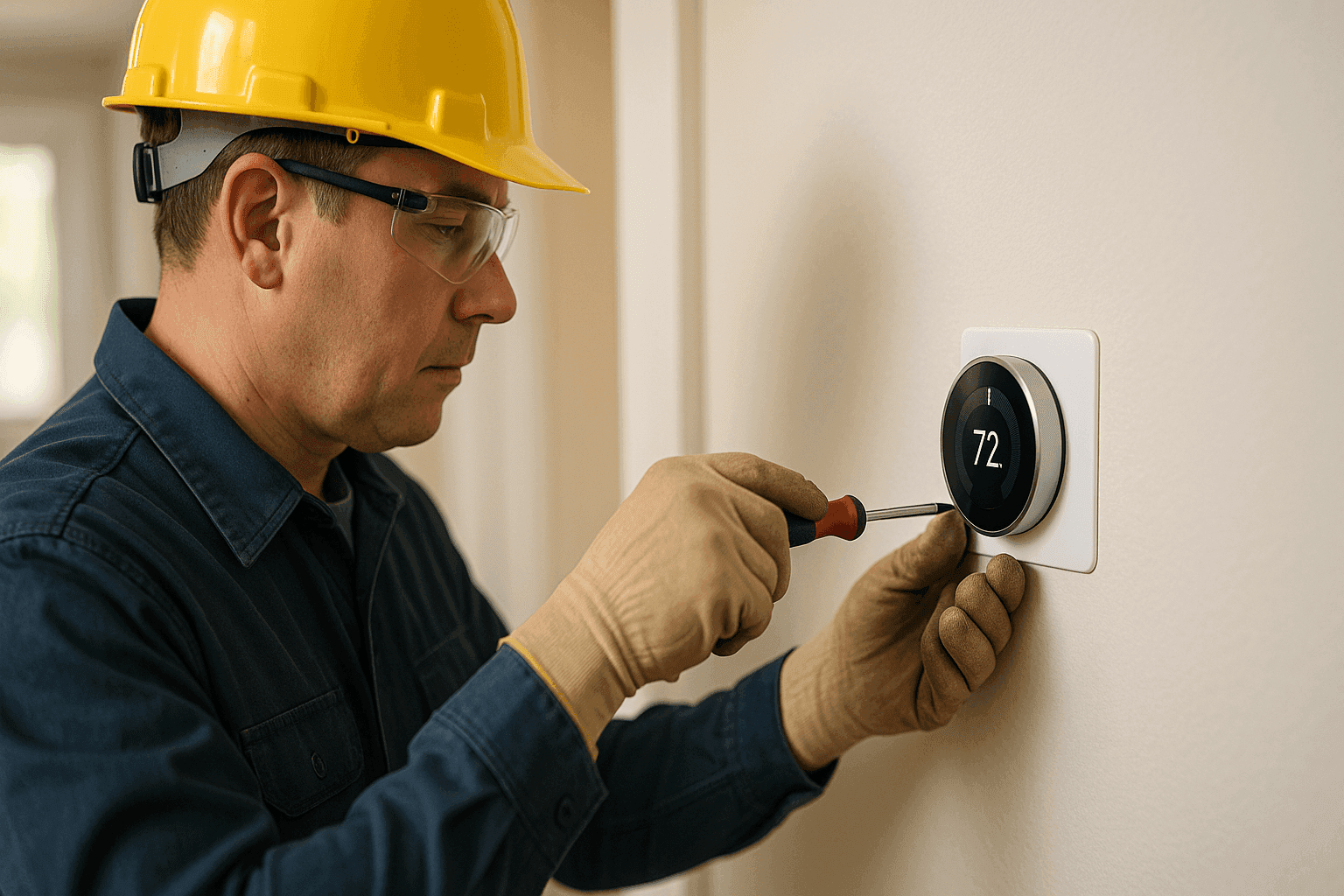
It’s the middle of summer. The AC is running hard, and your energy bill is climbing fast. Or maybe it’s winter, and you wake up to a chilly home—again. If these feel familiar, you’re not alone. Getting control over your heating and cooling is a real struggle for many homeowners.
There’s a smarter way. At Heintz Electric, we’ve seen how smart thermostats can transform everyday comfort—and help trim those energy bills. But making the switch isn’t as simple as swapping batteries in a remote. That’s where professional help makes all the difference.
Why Go Smart? 🌡️
Smart thermostats are like cruise control for your home’s comfort. Instead of fiddling with the dial or forgetting to turn down the heat when you leave, a smart thermostat learns your schedule. It automatically adjusts settings for you. Here’s what that means for your home:
- Energy savings: According to the U.S. Department of Energy, proper thermostat use can cut heating and cooling costs by about 10% a year.
- Remote control: Manage your home’s temperature from your phone, whether you’re across town or just on the couch.
- Scheduling: Set automatic programs for weekdays, weekends, vacations, and more.
- Learning abilities: Some models remember your habits and make tiny adjustments for maximum comfort and efficiency.
- Reminders and reports: Get alerts if something’s wrong or view energy use trends over time.
It’s more than a gadget—it’s peace of mind.
The Problem with Old Thermostats
Manual thermostats are like trying to steer a ship with a paddle. They’re imprecise, easy to forget, and can’t adapt. If you’re still using a dial or push-button model, you might be missing out on hundreds of dollars in savings each year.
Worse, older models can get inaccurate over time, causing hot and cold spots—or even overworking your system. That can mean more repairs and a shorter lifespan for your furnace or AC.
Quick Safety Checklist Before You Start
Before anyone touches your thermostat wiring, here’s what you need to consider:
- Turn off power at the breaker panel—not just the thermostat.
- Check for proper wiring: Some smart thermostats require a "C" (common) wire for power.
- Read manufacturer instructions: Not all HVAC systems are compatible.
- Inspect for damage: Frayed wires or loose connections are a red flag.
If any of this sounds confusing, don’t worry—that’s exactly why Home Automation is here.
DIY vs. Call a Pro
It can be tempting to try installing a smart thermostat yourself. But there’s more to it than snapping a few wires into place.
- Older homes may have non-standard wiring or missing common wires.
- Complex HVAC systems (like multi-stage furnaces or heat pumps) can be tricky to wire correctly.
- Code requirements: The National Electrical Code (NEC) sets standards for safety—something every licensed electrician follows.
A professional installation helps prevent shorts, blown fuses, or even damage to your heating and cooling system. And many manufacturers require a licensed electrician for their warranty.
What Pros Do On Arrival
When a Heintz Electric technician arrives, here’s what to expect:
- Evaluate your HVAC system: Make sure it’s compatible with smart technology.
- Check wiring: Identify and label existing wires, and add a C-wire if needed.
- Remove the old thermostat carefully, and install the new one per code.
- Connect to Wi-Fi and help set up your mobile app.
- Test every function—from schedules to manual overrides.
- Walk you through features so you feel confident controlling your comfort.
Prevention & Maintenance
Smart thermostats are low-maintenance, but not no-maintenance. Here’s how to keep things running smoothly:
- Keep the device clean: Dust and debris can affect sensors.
- Check batteries: If your model requires them.
- Update firmware: Manufacturers often release security and performance updates.
- Schedule annual HVAC maintenance: A smart thermostat is only as good as the system it controls.
Costs & Time Factors
The price of a smart thermostat ranges from about $100 to $300, depending on features. Installation by a professional electrician is typically a quick job—most are done in under an hour—unless your wiring needs an upgrade.
It’s a small investment up front, but over time, the energy savings often pay for the device itself.
When It’s an Emergency
Sometimes, installing a new thermostat isn’t just about comfort—it’s about safety. A malfunctioning thermostat can cause your furnace or AC to run nonstop, overheat, or shut down entirely. If you notice:
- Burning smells
- Strange noises
- Total system failure
Turn off your HVAC system and call for Installations right away.
Compatibility: Not All Homes Are Alike
Not every home is ready for a smart thermostat out of the box. Here’s what to consider:
- Wiring: Modern thermostats often need a C-wire. Older homes might not have one, but a pro can usually add it.
- System type: Heat pumps, multi-stage systems, and radiant heating all have special wiring requirements.
- Integration: Want your thermostat to work with Alexa, Google Home, or Apple HomeKit? Make sure your choice is compatible.
- Voltage: Most smart thermostats are designed for low voltage (24V) systems.
If you’re unsure, a quick call to an electrician company can clear things up.
Choosing a Thermostat
With dozens of models on the market, picking a smart thermostat can feel overwhelming. Here’s what matters most:
- Compatibility: Check your HVAC system and wiring.
- Features: Do you want geofencing (detects when you’re home), voice controls, or detailed reports?
- Ease of use: Touchscreen, app interface, and clear instructions matter.
- Brand reliability: Stick with names recognized by Energy Star and reviewed by the U.S. Department of Energy.
- Integration: If you use other smart devices, look for models that “talk” to each other.
Common Mistakes to Avoid
Even the best thermostats can’t fix a bad installation. Here are pitfalls we’ve seen:
- Wrong wiring: Crossed wires can blow fuses or damage your HVAC.
- Skipping the C-wire: Leads to power issues or thermostat resets.
- Ignoring compatibility: Not all systems support two-stage heat or cool.
- Forgetting Wi-Fi setup: Without a solid connection, remote features won’t work.
Signs of Trouble
After installation, watch for:
- System short-cycling: Furnace or AC turns on and off rapidly.
- No response: Thermostat screen goes blank.
- Inaccurate temperatures: Home feels much warmer or cooler than the reading.
If you notice these, call a licensed electrician to troubleshoot.
Timeline & Disruption
Most smart thermostat installations are quick—about as long as a coffee break. If your home needs wiring updates, it might take a bit longer, but our team keeps disruption to a minimum. We always clean up after ourselves.
Materials & Equipment
A professional brings:
- Voltage tester: Safety first.
- Wire labels: To keep connections straight.
- Drill and anchors: For stable mounting.
- Level: So your new thermostat isn’t crooked.
- Smartphone/tablet: To connect your device and walk you through the app.
Frequently Asked Questions
Can I install a smart thermostat myself?
Possibly, if you’re comfortable with wiring and your system is compatible. But for safety, code compliance, and to protect your HVAC investment, most homeowners call an electrician.
How much will I save?
Savings vary, but Energy Star estimates about 8-10% per year on heating and cooling.
Will it work with my old furnace?
It depends. A pro can quickly tell you what’s possible and what may need upgrading.
Is it secure?
Modern smart thermostats use encryption and regular updates. Always use strong Wi-Fi passwords and keep firmware current.
Seasonal Considerations
Your thermostat settings should change with the seasons. Many smart models automatically adjust for daylight savings and changing weather. Remember to check your preferred temperature schedules in spring and fall.
Codes, Safety, and Warranty
Electrical work is serious. The National Fire Protection Association (NFPA) and the National Electrical Code (NEC) offer clear guidelines to keep your home safe. Professional installation by a licensed electrician isn’t just smart—it’s often required for warranty coverage.
Ready to Go Smart?
A smart thermostat is more than a convenience—it’s a step toward lower bills, better comfort, and a safer home. At Heintz Electric, we help families get the most from their investment with safe, code-compliant installation and helpful support.
Call Heintz Electric now — or reach us anytime at 877-315-8745 .