The Complete Guide to Smoke & Carbon Monoxide Detectors
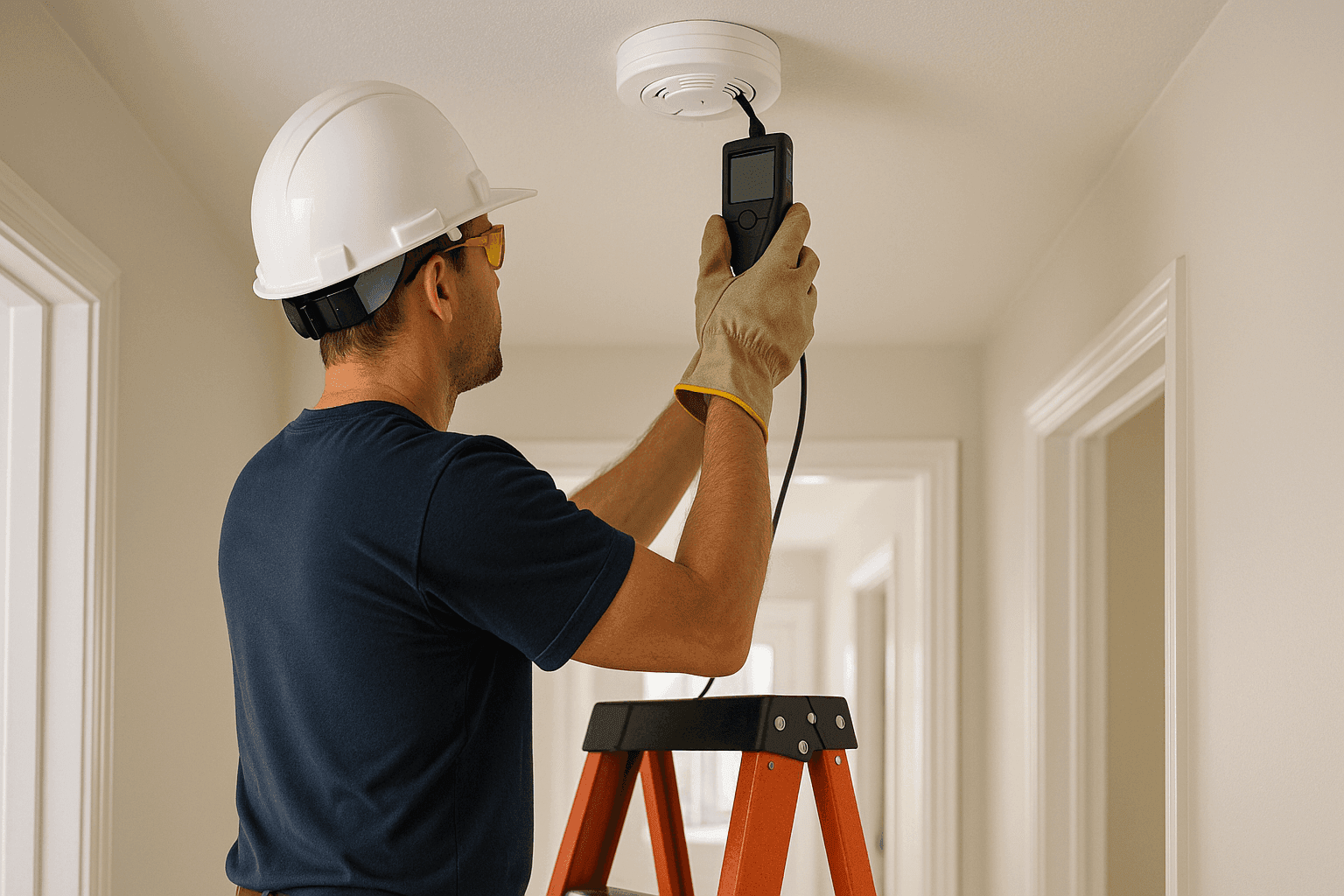
You hear a faint beep in the night. Maybe it’s just a dying battery, or maybe it’s a warning. When it comes to smoke and carbon monoxide detectors, that tiny sound can mean the difference between a close call and a tragedy. At Heintz Electric, we know these devices aren’t just gadgets—they’re silent sentinels that stand guard when you can’t.
It’s easy to forget about them. But in the blink of an eye, a kitchen mishap or a faulty furnace can turn your world upside down. Let’s walk through what every homeowner should know about these lifesavers, and how an electrician can keep your home secure.
Types of Detectors: Know Your Lifelines 🔔
Not all detectors are built the same. Picking the right one is like choosing the right lock for your front door—one size doesn’t fit all.
Smoke Detectors
- Ionization Smoke Alarms: Best at detecting fast, flaming fires. They react quickly to burning paper or grease.
- Photoelectric Smoke Alarms: Sensitive to slow, smoldering fires—think of a forgotten cigarette or overheated wiring.
- Dual-Sensor Alarms: Combine both technologies for broader protection.
Carbon Monoxide Detectors
- Stand-Alone CO Detectors: Plugged into outlets or battery-powered. These sniff out invisible, scentless CO gas.
- Combination Alarms: Detect both smoke and carbon monoxide. Good for space-saving, but placement still matters.
- Smart Detectors: Wi-Fi-enabled. Send alerts to your phone if you’re away.
Interconnected Systems
- Hardwired with Battery Backup: Wired into your electrical system, but stay alive during outages thanks to backup batteries.
- Wireless Interconnected: Communicate with each other. If one alarm sounds, all alarms go off. Great for larger homes.
The right mix depends on your home’s layout, age, and your family’s needs. A licensed electrician can help you choose and install the best options for your space.
Proper Placement: Where Every Second Counts
Imagine a smoke detector as a lighthouse in a foggy harbor. Its job? Shine a warning before danger reaches you. But even the best beacon is useless if it’s in the wrong spot.
Where to Place Smoke Detectors
- In every bedroom and outside each sleeping area
- On every floor, including the basement and attic
- Near stairways and at the base of each level
- Avoid kitchens and bathrooms—steam and cooking can cause false alarms
The National Fire Protection Association (NFPA) recommends at least one smoke alarm on every level of the home. Place them on the ceiling or high on a wall—smoke rises.
Where to Place Carbon Monoxide Detectors
- Inside or just outside every sleeping area
- On each floor of your home
- Near fuel-burning appliances (but not right next to them)
- Don’t place right above heating vents or behind curtains—airflow matters
Placement Tips from Pros
- Don’t install detectors too close to windows, doors, or ducts.
- Keep them at least 10 feet from cooking appliances.
- For split-level homes, place a detector on each level, even if there are no bedrooms.
A professional can perform Safety Checks to ensure your detectors are correctly positioned and up to code.
Maintenance & Testing: Keep Your Sentinels Sharp 🛠️
A smoke or CO detector is only as good as its last test. Think of it like changing the oil in your car—ignore it, and you’re risking a breakdown when you need reliability most.
Monthly Testing
- Press the test button on each detector once a month. It should sound a loud alarm. If it’s weak or silent, replace the batteries or the unit.
- Check indicator lights—most units have a green (ready) or red (problem) LED.
Battery Replacement
- Twice a year. Easy to remember: change batteries when you set your clocks for daylight saving time.
- Hardwired units also need battery backup replacements.
Cleaning
- Dust and debris block sensors. Gently vacuum around each detector every few months.
Full Replacement
- Smoke detectors: Replace every 10 years.
- CO detectors: Replace every 5-7 years (check manufacturer’s label).
Professional Inspections
A licensed electrician can include detector checks in regular Smoke & Carbon Monoxide Detectors or during annual maintenance. They can inspect wiring, confirm code compliance, and test interconnected systems.
Quick Safety Checklist
- Do you have alarms on every floor and in every bedroom?
- Are detectors less than 10 years old?
- Do you test alarms monthly?
- Have you replaced batteries this year?
- Are detectors free of dust and debris?
- Is someone checking your detectors after renovations or changes to your HVAC?
If you answered “no” to any of these, it’s time to take action.
When It’s an Emergency
If your alarm sounds and you smell smoke or feel faint, leave the house immediately. Don’t stop to investigate—just get out and call 911. Carbon monoxide is known as the “silent killer” for a reason—you might not even feel symptoms before it’s too late.
After an incident, have your system checked by a professional before re-entering.
Common Mistakes Homeowners Make
- Mounting detectors too low
- Ignoring battery chirps
- Painting over detectors
- Not reading manufacturer instructions
- Assuming one detector is enough for a whole floor
Small errors can have big consequences. Don’t cut corners when it comes to your family’s safety.
Legal Requirements & Codes
Most states follow guidelines from the NFPA and International Residential Code (IRC). Requirements typically include:
- Smoke alarms in every bedroom, outside sleeping areas, and every level
- CO alarms in homes with fuel-burning appliances or attached garages
- Hardwired alarms in new construction, with battery backup
Check your local building codes, or have an electrician help you stay compliant. The U.S. Consumer Product Safety Commission and your local fire department are also great resources for up-to-date rules.
Signs of Trouble: Don’t Ignore These Warnings
- Frequent false alarms
- No sound during testing
- Chirping or beeping that doesn’t stop with new batteries
- Discolored or damaged detectors
- Unexplained headaches, dizziness, or fatigue at home (possible CO leak)
If you spot any of these, call an electrician right away.
DIY vs. Call a Pro
Changing a battery? Most homeowners can handle that. But installing interconnected, hardwired detectors or troubleshooting persistent problems? That’s a job for a pro. Electrical systems are complex—one misstep can leave your family unprotected.
An electrician can recommend the right products, handle wiring, and test your system for peace of mind.
What to Expect When You Call Heintz Electric
- We’ll assess your home, layout, and family needs
- Recommend the right mix of smoke and carbon monoxide detectors
- Install, hardwire, and test every unit
- Show you how to test and maintain your system
- Provide documentation for code compliance and insurance
We also offer 24-hour emergency service if your alarms go off or you suspect a problem.
Costs & Time Factors
- Basic battery-operated detectors: affordable and quick to install
- Hardwired/interconnected systems: higher up-front cost, but better safety and fewer false alarms
- Most installations take less than a day
- Maintenance visits are fast—think annual checkup, not a weekend project
Investing in reliable detectors is like buying an umbrella before the storm. It’s peace of mind you can’t put a price on.
Prevention & Maintenance: Don’t Wait for a Scare
Schedule regular Safety Checks. Make it part of your spring cleaning or fall prep—just like checking your furnace or gutters.
Remember, smoke and CO detectors are your first line of defense. They give you precious minutes to get out safely.
Seasonal Considerations
- Winter: Furnaces and space heaters increase CO risk. Test detectors before the first cold snap.
- Spring: Allergens and dust can clog sensors—clean and check alarms.
- Summer: Open windows can affect airflow, so make sure detectors aren’t blocked.
- Fall: Candles, fireplaces, and holiday cooking add fire risks—test alarms before festivities.
FAQ: Your Detector Questions, Answered
Q: How many detectors do I really need?
A: At least one on every floor, in every bedroom, and outside sleeping areas.
Q: Can I use combination smoke/CO alarms everywhere?
A: They’re convenient, but may not be ideal in every location. Consult an electrician for the best setup.
Q: What if my home is older?
A: Battery-powered detectors are a start, but upgrading to hardwired systems offers better protection.
Q: Does Heintz Electric serve my area?
A: Whether you need an electrician or full-home safety checks, we’re ready to help.
Call to Action
Protect what matters most. Don’t leave your family’s safety to chance—schedule a detector check or installation today.
Call Heintz Electric now — or reach us anytime at 877-315-8745 .