How to Tell If Your Smoke or CO Detector Needs Replacing
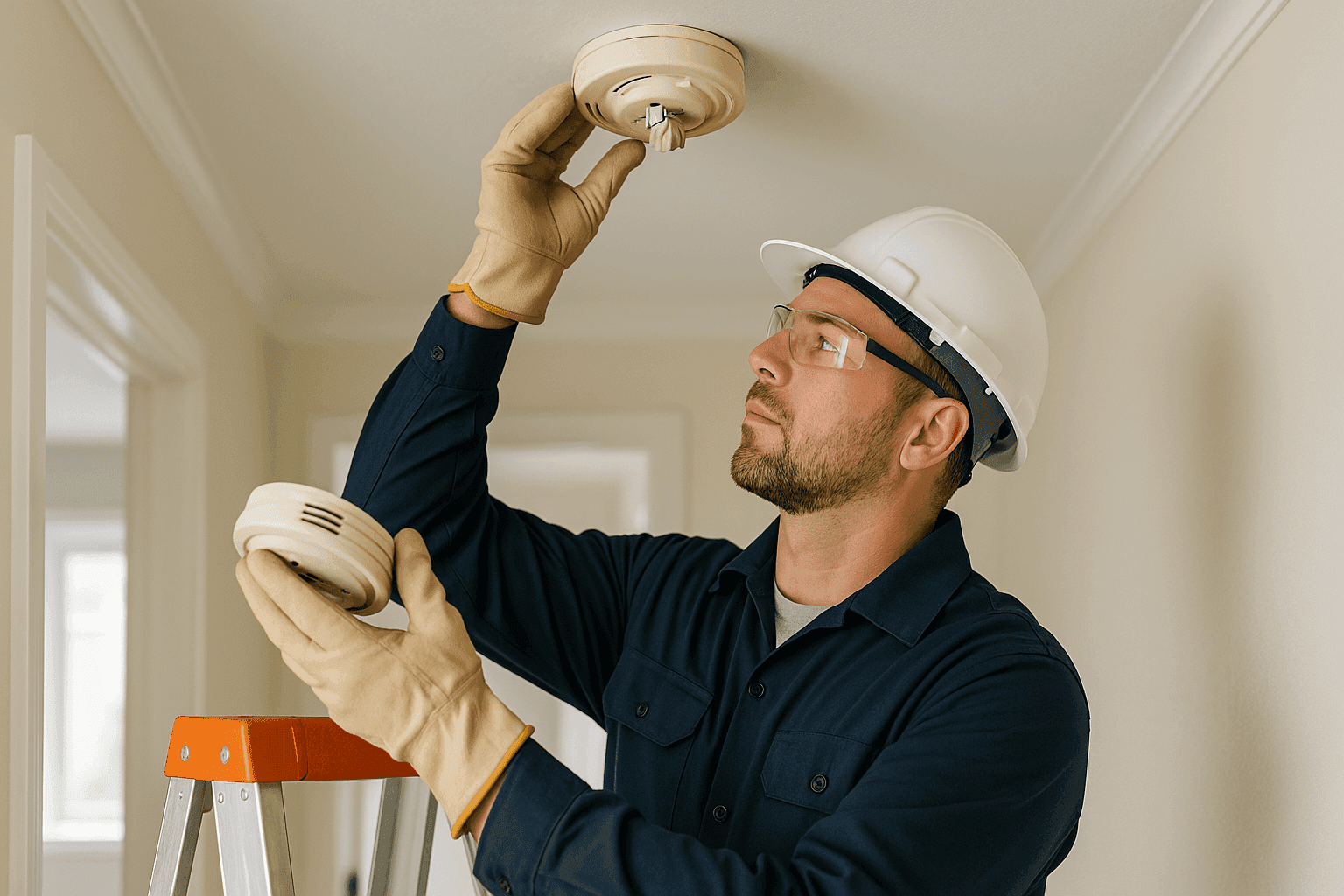
Your home should be your safest place. But when the warning beep from a smoke or carbon monoxide detector goes ignored—or worse, isn’t heard at all—safety can slip away quietly. At Heintz Electric, we know a reliable detector is your first line of defense against the unexpected.
So, how do you know when it’s time to replace your smoke or CO detector? Let’s break it down clearly, one sign at a time.
Detector Lifespan: How Long Do They Last? ⏳
Think of your smoke and CO detectors like sturdy but aging guard dogs. Reliable for years, but not forever. The National Fire Protection Association (NFPA) and manufacturers agree: most smoke detectors need replacing every 10 years. For carbon monoxide (CO) detectors, the window is often 5 to 7 years. After that, the sensors inside start to fade—sometimes without any obvious signs.
Why does this matter? Even if your detector looks fine and passes a test beep, its internal sensors can become unreliable with age. That’s why checking the “replace by” date (often printed on the back) matters as much as listening for the beeps.
Replacement Signs: What Should You Watch (and Listen) For?
Detectors don’t always fail with a dramatic alarm. Sometimes, the clues are subtle. Here’s what to watch for:
- Chirping or Intermittent Beeping: A single beep every minute usually means the battery is low. If this continues after changing the battery, the unit itself may be at the end of its life.
- Yellowing Plastic: Over time, plastics exposed to heat and air will yellow. This isn’t just cosmetic—aging plastic suggests the detector is overdue for replacement.
- No Response to Testing: Press the test button monthly. No sound? That’s a red flag.
- Frequent False Alarms: Old sensors can get “jumpy.” If your detector cries wolf repeatedly, it may be time for a new one.
- Expired Date: Check for an expiration or manufacturing date. If it’s over 10 years (smoke) or 7 years (CO), replace it—even if it seems fine.
Ignoring these signs is like driving on bald tires. The risk isn’t worth it.
Quick Safety Checklist: Is Your Detector Up to Code?
- Is your detector more than 10 years old (smoke) or 7 years old (CO)?
- Does it pass the monthly test?
- Is it installed in every bedroom, hallway, and floor? (That’s the recommendation from the NFPA and local building codes.)
- Is it hardwired when required, with backup battery?
If you answered “no” or “I’m not sure,” it’s time for an electrical safety check.
DIY or Call an Electrician?
Swapping out batteries is a simple DIY. But replacing a detector? That’s trickier, especially if your units are hardwired, interconnected, or part of a security system. If any of these apply, or if you’re not comfortable on a ladder, it’s smart to call an electrician.
At Heintz Electric, we handle everything from single-room updates to whole-home Smoke & Carbon Monoxide Detectors.
What Pros Do On Arrival
When you call us, here’s what to expect:
- Inspect each device for age, wear, and code compliance.
- Test wiring and sensor response.
- Advise on placement—some rooms need more detectors than others.
- Install new, code-approved models with fresh batteries and clear labeling.
- Confirm every unit is working, interconnected (if needed), and ready.
No guesswork. No shortcuts.
Prevention & Maintenance: Don’t Wait for the Chirp
A little routine goes a long way. Here’s a simple plan:
- Test monthly: Press that button.
- Change batteries yearly: Don’t wait for the chirp.
- Replace detectors before they expire.
- Vacuum around detectors: Dust can block sensors.
Stick to this schedule, and your detectors won’t let you down.
Costs & Time Factors: What to Expect
Replacing a detector doesn’t take long—usually less than 30 minutes per unit for a seasoned electrician. Costs vary by model (basic, combo smoke/CO, smart features) and installation type (battery vs. hardwired). Investing in new detectors is far less expensive than dealing with the aftermath of a missed emergency.
When It’s an Emergency 🚨
- If your detector won’t stop alarming and you can’t find smoke or CO, get outside and call 911.
- If you smell smoke or suspect a gas leak, evacuate immediately.
- Don’t assume it’s a false alarm—treat every alert seriously.
Common Mistakes Homeowners Make
- Ignoring chirps as “just a battery.”
- Painting over detectors—paint can block sensors.
- Installing in kitchens or bathrooms, where steam can cause false alarms (place detectors nearby, not in these rooms).
- Not replacing after a known incident (smoke exposure can damage sensors).
Seasonal Considerations: Don’t Let Holidays Catch You Off Guard
- Spring cleaning: Test and vacuum detectors.
- Before holidays: Check every device before guests arrive.
- After renovations: Confirm detectors haven’t been disconnected or painted.
Timeline & Disruption: How Long Will This Take?
A typical home can be checked and upgraded in a few hours. For hardwired or interconnected systems, it may take a bit longer, but the disruption is minimal. Most work is done at ceiling height and doesn’t require moving furniture or making a mess.
Materials & Equipment: What’s Needed?
- New detectors (smoke, CO, or combination units)
- Batteries (if applicable)
- Screwdriver, wire nuts, ladder
- Voltage tester (for hardwired units)
- Labels for date tracking
A professional arrives with everything needed—no trips to the hardware store for you.
Choosing New Detectors: What Matters Most?
Not all detectors are created equal. Here’s what to consider:
- Type: Smoke, CO, or combination units.
- Power: Battery, hardwired, or both.
- Interconnection: Linked alarms for larger homes.
- Smart features: App alerts, silence from your phone, etc.
- Certifications: Look for UL or ETL marks.
- Date labeling: So you know when to replace next time.
Need help? Your electrician services in Belton can recommend models that fit your home and budget.
Electrical System Installation Near You: Compliance and Peace of Mind
Installing or replacing detectors is more than ticking a box—it’s about meeting local codes and keeping your family safe. The right installation by a qualified electrician ensures your system is up to code and ready for any emergency.
Refer to guidelines from the National Fire Protection Association (NFPA) and your local building department for the latest standards.
FAQ: Your Detector Questions Answered
Q: Can I just replace the battery?
A: Only if the unit is younger than its expiration date and passes the test beep.
Q: Why do detectors yellow over time?
A: UV exposure and heat cause plastic housings to age. Yellowing is a signal to check the date.
Q: Do I need CO detectors if I have electric heat?
A: If you have any gas appliances or an attached garage, yes.
Q: How many detectors do I need?
A: One in every bedroom, outside each sleeping area, and on every floor—including the basement.
Final Thoughts: Don’t Wait—Act Now
A working smoke or CO detector is a small investment for your peace of mind. If you’re unsure about the age, function, or placement of your detectors, don’t leave it to chance. Heintz Electric is here to help, whether you need a quick check, a full upgrade, or expert advice.
Call Heintz Electric now — or reach us anytime at 877-315-8745 .