Surge Protection for Homes: Why It Matters & How It Works
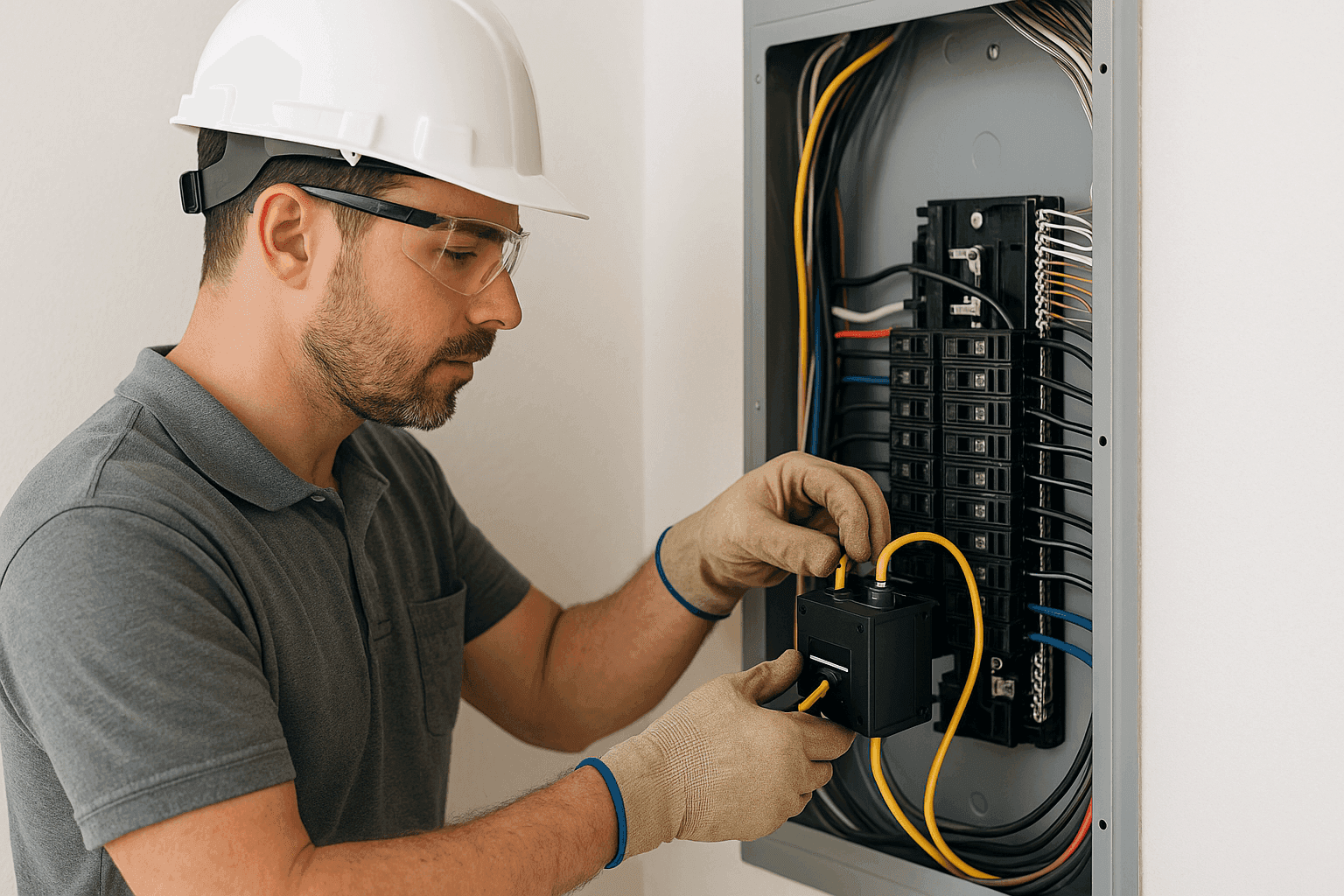
Protecting your home is about more than just locking your doors at night. Every day, silent threats can sneak in through your wires. Power surges happen in an instant, but the damage can last for years—and it’s often invisible until it’s too late.
At Heintz Electric, we've seen what unchecked surges can do. The right protection not only saves your electronics and appliances, it keeps your family safe. Let’s break down why surge protection matters, and how a professional electrician can make all the difference.
What is a Power Surge? ⚡
A power surge is a sudden spike in electrical voltage running through your home’s wiring. Think of it like a rogue wave crashing over a boat—it hits fast, and anything not prepared gets soaked.
What Causes Surges?
- Lightning strikes: The most dramatic, but surprisingly rare.
- Utility grid switching: Power company maintenance or accidents can send a surge into your home.
- Large appliances: When your AC or refrigerator cycles on and off, it can jolt your circuits.
- Faulty wiring: Aging or damaged wires act like leaky pipes, letting dangerous currents escape.
- Downed power lines: Storms and accidents outside can send excess voltage across neighborhoods.
Most surges are small and go unnoticed. But over time, these mini-shocks wear down sensitive electronics and appliances, shortening their life. A big surge, though, can destroy in a flash.
Why Surges Are a Problem for Homes
Every modern house is packed with devices that hate voltage swings—TVs, smart fridges, computers, even that fancy coffee maker. The tiniest surge can cause wear, glitches, or outright failure. Think of it as rust for your electronics.
More than that, surges can start fires. According to the National Fire Protection Association (NFPA), electrical failures are a leading cause of house fires. Electrical Safety Foundation International (ESFI) also notes that surge protection is a crucial step in preventing electrical fires and protecting your investment.
Surge Protection Options
You have two main choices: plug-in surge protectors and whole-home surge protection.
Plug-In Surge Protectors: The Basics
- What they do: Plug into your outlets, then you plug your devices into them.
- Good for: Computers, televisions, gaming consoles, and delicate electronics.
- Limits: Only protect what’s plugged into them. They wear out over time and need replacing—often without warning.
- Not all are created equal: Many cheap models offer little real protection.
Whole-Home Surge Protectors: The Heavy Lifters
- What they do: Installed directly at your electrical panel by a licensed electrician. They guard every circuit, every outlet, every device.
- Good for: Entire-home coverage, including hardwired appliances (stove, HVAC, washer/dryer), not just what you can plug in.
- Strength: Designed to handle larger surges—like those from lightning or grid issues.
- Longer lifespan: Built to last and often resettable after a big surge.
Which Should You Choose?
If you're protecting a single device, a plug-in bar is fine. But for true peace of mind, nothing beats a whole-home protector. Many homes use both—whole-home protection as the foundation, and plug-ins for extra defense on sensitive electronics.
The Installation Process
Installing a whole-home surge protector isn’t a DIY job. Here’s why.
Step-by-Step: How Pros Protect Your Home
- Assessment: An electrician inspects your panel and wiring. They’ll spot any code violations or hazards.
- Sizing & Selection: Not all protectors are equal. We’ll choose the right model for your home’s needs and panel type.
- Installation: The device is hardwired into your main electrical panel. This creates a shield, blocking surges before they spread through your circuits.
- Testing: After installation, the system is tested for correct operation and compliance with National Electrical Code (NEC).
- Labeling & Documentation: Your panel is labeled, and you get a record of the work for code compliance and insurance.
Trying this yourself is risky. Panels carry deadly voltage, and a mistake can cause fire, shock, or major damage.
Quick Safety Checklist
- Look for blinking lights: If your surge bars flicker, they may be worn out.
- Check for burnt smells or discoloration around outlets: Signs of past surges.
- Appliances acting strangely: Random resets, flickering displays, or failure to turn on.
- Frequent tripped breakers: Could be a sign of underlying surge issues.
If you spot any of these, call a licensed electrician right away.
DIY vs. Call a Pro
Plug-in bars? Go ahead. But when it comes to your panel, leave it to the pros. Professional installation means:
- Code-compliant work
- Correct sizing and placement
- Proper grounding (crucial for surge protection)
- Documentation for insurance and resale
In short, it keeps your home—and you—safe.
What Your Electrician Does On Arrival
Expect a thorough approach:
- Visual inspection: Checking for outdated wiring, overloaded circuits, or unsafe panels.
- Testing: Using meters to measure current, voltage, and grounding quality.
- Recommendations: Honest feedback on what needs upgrading, what’s safe, and what’s not.
- Installation: Fast, clean, and with minimal disruption.
Prevention & Maintenance 🛠️
Surge protectors aren’t “set and forget.” Here’s how to get the most from them:
- Schedule an annual Surge Protection to check your panel and protection devices.
- Replace plug-in bars every 2–3 years or after any major surge event.
- Keep your electrical panel accessible and free from clutter.
- Test GFCI outlets and smoke detectors monthly.
- Ask your electrician to review your system after any lightning strike nearby.
Cost and Time Factors
- Plug-in bars: $20–$80 each, replace every few years.
- Whole-home surge protector: Installation by a licensed electrician typically takes 1–2 hours. Cost varies by panel type and home size, but it’s a smart investment compared to replacing a fried HVAC or refrigerator.
Insurance companies are starting to notice, too—some even offer premium discounts for professionally installed surge protection.
When It’s an Emergency
If you smell burning plastic, see smoke, or lose power to half the house after a storm, it’s time to call for Surge Protection. Don’t wait. Electrical emergencies can escalate in seconds.
Surge Protection for Seasonal Threats
Thunderstorm season? Winter ice? Both mean a higher risk for surges. Before storm season, schedule a safety check. A little preparation can save a lot of heartache.
Common Mistakes Homeowners Make
- Relying only on plug-in strips: They’re not enough for big appliances or hardwired systems.
- Ignoring warning signs: That “funny smell” or flicker can mean trouble.
- Skipping maintenance: Surge protection is only as good as its condition.
- DIY panel work: This isn’t just risky—it’s often illegal without a permit and inspection.
Signs It’s Time for an Upgrade
- Newly remodeled or expanded your home
- Added expensive appliances or a home theater system
- Living in an area prone to storms or utility outages
- Panel over 20 years old
If any of these sound familiar, talk to an electrician about modern surge protection options.
Timeline & Disruption
Worried about mess or downtime? Most whole-home surge protector installations take less than half a day, with no damage to your walls or décor. Power is off only briefly.
Materials & Equipment Used
- Surge protection device: Rated for your panel and home size
- Wire and conduit: To ensure solid, code-compliant connections
- Labels and documentation: For future service and resale value
- Testing gear: To verify safe installation
Professional Maintenance Matters
Just like your furnace or smoke detectors, surge protection needs periodic checkups. At Heintz Electric, we recommend annual safety checks—especially after major storms or if you’ve added new appliances.
Looking for electrician services that put your safety first? We’re ready to help.
FAQ: What Homeowners Ask Most
Q: Will surge protection stop every possible surge?
A: No device can stop a direct lightning hit, but a properly installed system will block or absorb most day-to-day surges and protect your biggest investments.
Q: Do surge protectors wear out?
A: Yes. Plug-in bars lose effectiveness with each hit. Whole-home units last longer, but should still be checked regularly.
Q: Is installation really that dangerous?
A: Yes. Your panel contains live wires even when the main breaker is off. Leave it to a licensed electrician.
Q: Can I get by with just plug-in strips?
A: For basic devices, yes. But for full-home safety—including appliances and hardwired systems—a panel-mounted protector is best.
Final Thoughts: Don’t Wait for Disaster
You lock your doors. You install smoke alarms. Surge protection is the next step in defending your home from the unexpected. The right system, installed and maintained by a professional, keeps your family safe and your electronics running strong.
Ready to take action?
Call Heintz Electric now — or reach us anytime at 877-315-8745 .