How to Troubleshoot Flickering Lights in Your Home
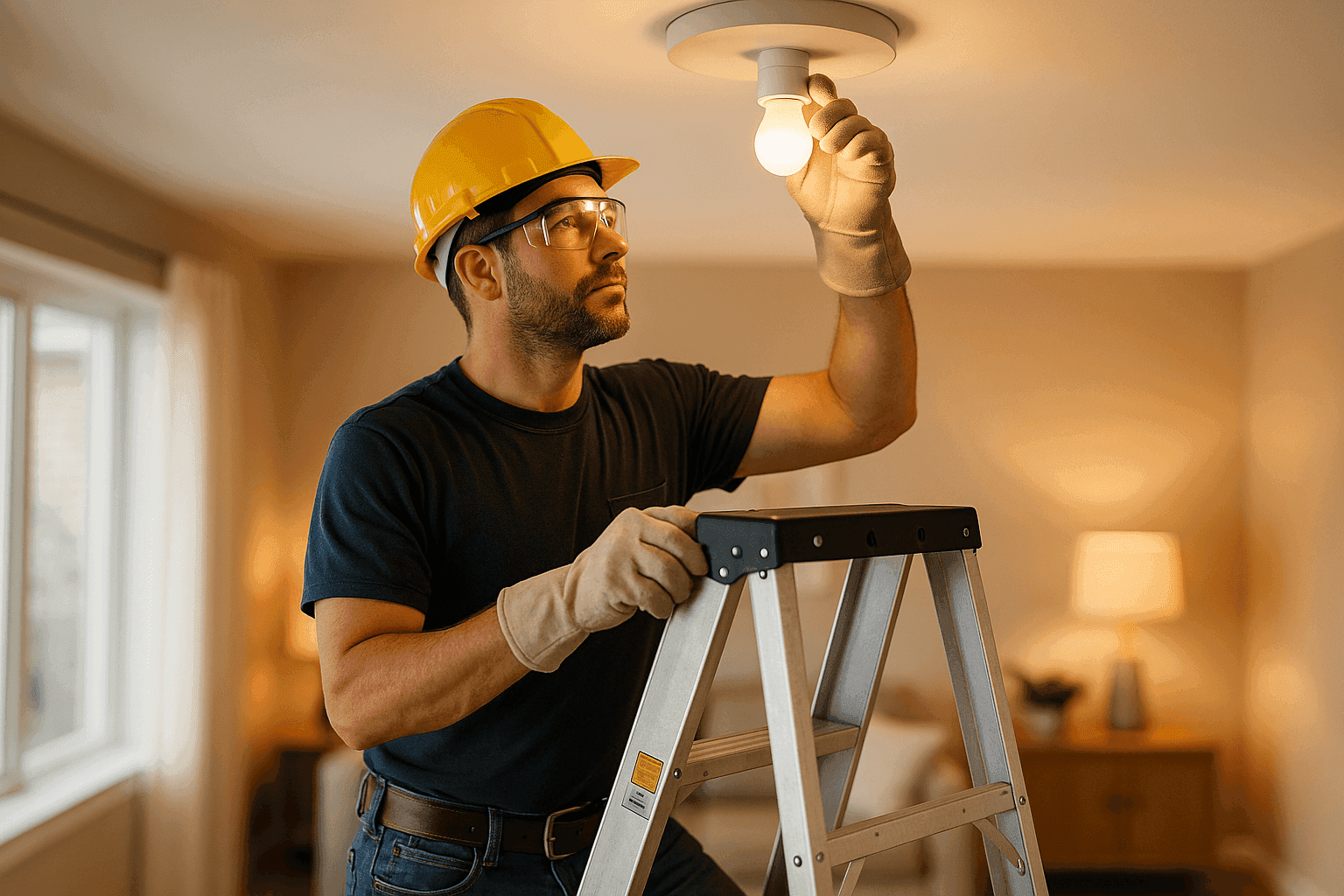
Are your lights flickering like a candle in the wind? It’s more than just annoying—it could be a warning sign from your home’s electrical system. At Heintz Electric, we understand how unsettling it feels when your lighting acts up for no apparent reason. Flickering lights can disrupt your peace, hint at electrical trouble, or even signal something unsafe.
Let’s shed light on why this happens, what you can do, and when to call in an electrician. Keeping your home safe and comfortable is our priority.
Why Lights Flicker
Flickering lights aren’t just a quirk. Sometimes they’re the electrical equivalent of a car’s check engine light. Here’s what might be going on:
- Loose Bulbs: The most common—and easiest to fix. A bulb that isn’t screwed in tightly can cause intermittent contact and flicker.
- Faulty Switches or Dimmers: Old, worn, or poor-quality switches can make lights blink or stutter.
- Wiring Problems: Loose, aging, or damaged wires behind switches, outlets, or fixtures can create dangerous arcing, leading to flickering.
- Overloaded Circuits: Too many devices plugged into the same circuit can make lights dim or flicker, especially when major appliances kick on.
- Voltage Fluctuations: Lights that get brighter and dimmer randomly could point to serious wiring or panel issues.
- Appliance Interference: Large appliances (think AC, fridge, microwave) starting up can momentarily steal juice from your lights.
- Bad Connections in Panels: Corroded or loose connections in your breaker box are a major hazard.
Keep in mind, the National Fire Protection Association (NFPA) warns that flickering lights may signal fire risks if ignored.
Quick Safety Checklist ⚡
Before you dig in, safety comes first. Electricity is powerful and—if mishandled—dangerous. Here’s a fast checklist:
- Turn off power at the breaker before touching fixtures or switches.
- Don’t ignore burning smells, buzzing, or hot outlets—these are red flags.
- If you see sparks or smoke, vacate and call emergency services immediately.
- Always use a sturdy ladder or step stool for ceiling lights.
- Never work on electrical systems in wet conditions.
If in doubt, stop. It’s always safer to call a licensed electrician.
Flickering Light? Try These Quick Fixes
Some solutions are simple. Here’s how to troubleshoot step-by-step:
1. Tighten the Bulb
Turn off the switch. Wait for the bulb to cool, then gently tighten it. Sometimes that’s all it takes.
2. Swap in a New Bulb
If tightening doesn’t help, try a new bulb—preferably LED or one recommended for your fixture.
3. Check the Switch
Toggle the light switch on and off. Does it feel loose or wobbly? Replace it if necessary, but always turn off power at the breaker first.
4. Test Other Devices
Plug the lamp or fixture into a different outlet. If it still flickers, the issue might be with the light itself.
5. Unplug Appliances
If flicker happens when a big appliance turns on, try unplugging something else from the same circuit. If that helps, you might have a circuit load issue.
When to Call a Pro
Some problems go deeper than a loose bulb. Here’s when it’s time to call in an electrician:
- Flickering affects multiple rooms or the whole house.
- Lights dim when appliances start.
- You notice burning smells, buzzing, or hot switch plates.
- Lights flicker after storms or power surges.
- The breaker trips frequently.
- You find frayed wires or visible damage.
These issues can pose fire or shock hazards. According to the National Electrical Code (NEC), faulty wiring or overloaded circuits should always be repaired by a qualified electrician.
What to Expect: Pro Troubleshooting
When you contact Heintz Electric for Lighting or Fault Finding, here’s how we approach it:
- Inspection: We’ll check the fixture, switch, wiring, and breaker panel.
- Testing: Specialized meters help us spot voltage drops and bad connections.
- Diagnosis: We trace the root cause—from a loose wire in a junction box to a failing panel.
- Repair: Repairs are made to code, with high-quality parts for lasting performance.
- Safety Check: We ensure the repair solves the issue and your home is safe.
Signs of a Bigger Problem
Not all flickers are created equal. Some signs signal you need immediate help:
- Flickering across many circuits.
- Breakers won’t reset or keep tripping.
- Outlets or switches spark, buzz, or get hot.
- Lights flicker after recent electrical work or water leaks.
Don’t risk it. Call for professional help if you see these warning signs.
Prevention & Maintenance Tips
A little care goes a long way:
- Use high-quality bulbs rated for your fixtures.
- Avoid overloading outlets.
- Schedule regular electrical safety checks, especially in older homes.
- Replace dimmers and switches every 10–15 years or if they feel loose.
- Keep an eye out for water leaks near electrical areas—they’re a hazard.
Regular inspections can catch issues before they turn into expensive repairs. The Electrical Safety Foundation International (ESFI) recommends annual checks for homes older than 40 years, or after major renovations.
DIY or Call in the Electrician?
Some fixes are safe for homeowners:
- Replacing bulbs
- Tightening bulbs or covers
- Resetting breakers
But once you’re past the basics, especially with wiring, switches, panels, or persistent flicker, it’s time for a licensed electrician. Remember, even a simple-looking repair can hide deeper risks behind the wall.
Common Mistakes to Avoid
- Ignoring persistent flicker—this lets small issues become dangerous.
- Using bulbs not rated for your fixture—leads to overheating and early burnout.
- Overloading power strips or outlets.
- Skipping safety steps (like turning off the breaker).
- Trying to DIY wiring repairs without experience.
Stay on the safe side. If you’re unsure, don’t hesitate to call.
Timeline & Disruption
Worried about how long repairs will take? Most flickering light repairs are fixed within a few hours. If major rewiring is needed, it could take longer—but your Heintz Electric technician will always keep you informed.
Seasonal Considerations
Flickering problems sometimes spike with weather changes:
- Winter: Heaters or holiday lights add strain to circuits.
- Storms: Lightning or power surges can damage wiring.
- Summer: Air conditioners or pool pumps can overload circuits.
Be extra vigilant during these times. If you notice new flickering, address it quickly.
Materials and Equipment Electricians Use
Pros have the right gear for safe, thorough repairs:
- Voltage and continuity testers
- Insulated screwdrivers and pliers
- Wire strippers and cutters
- Replacement switches, outlets, or wiring
- Safety equipment (gloves, safety glasses)
The right tools make all the difference in safety and quality.
The Cost of Ignoring Flickering Lights
A flicker might seem harmless. But left unchecked, it can damage appliances, cause circuit failures, or worse—start fires. The cost of a repair is always less than the cost of replacing lost items or rebuilding after a fire.
Frequently Asked Questions
Q: Can flickering lights damage my appliances?
A: Yes, ongoing voltage fluctuations can shorten the life of electronics and other home devices.
Q: Is it normal for lights to flicker sometimes?
A: A tiny, brief flicker when a big appliance starts is usually okay. But repeated, random, or widespread flicker is not.
Q: Will a new breaker panel fix the issue?
A: Sometimes, but only if the panel is the source of the problem. Let an electrician diagnose first.
Q: What if my whole street has flickering lights?
A: That could be a utility issue. Call your power company first, then an electrician if the problem is just in your home.
When It’s an Emergency 🚨
If you notice:
- Burning or melting smells
- Smoke from outlets or switches
- Sparks or arcing
- Hot outlets or panels
Leave the area and call emergency services. Then contact Heintz Electric for safe, professional follow-up.
Need Help Now?
Don’t live in the dark or risk your safety. If you’re in need of an electrician company you can rely on, Heintz Electric is here for you—day or night. We’re ready to help with any flickering light issues, big or small.
Call Heintz Electric now — or reach us anytime at 877-315-8745 .