How to Troubleshoot a Malfunctioning Doorbell
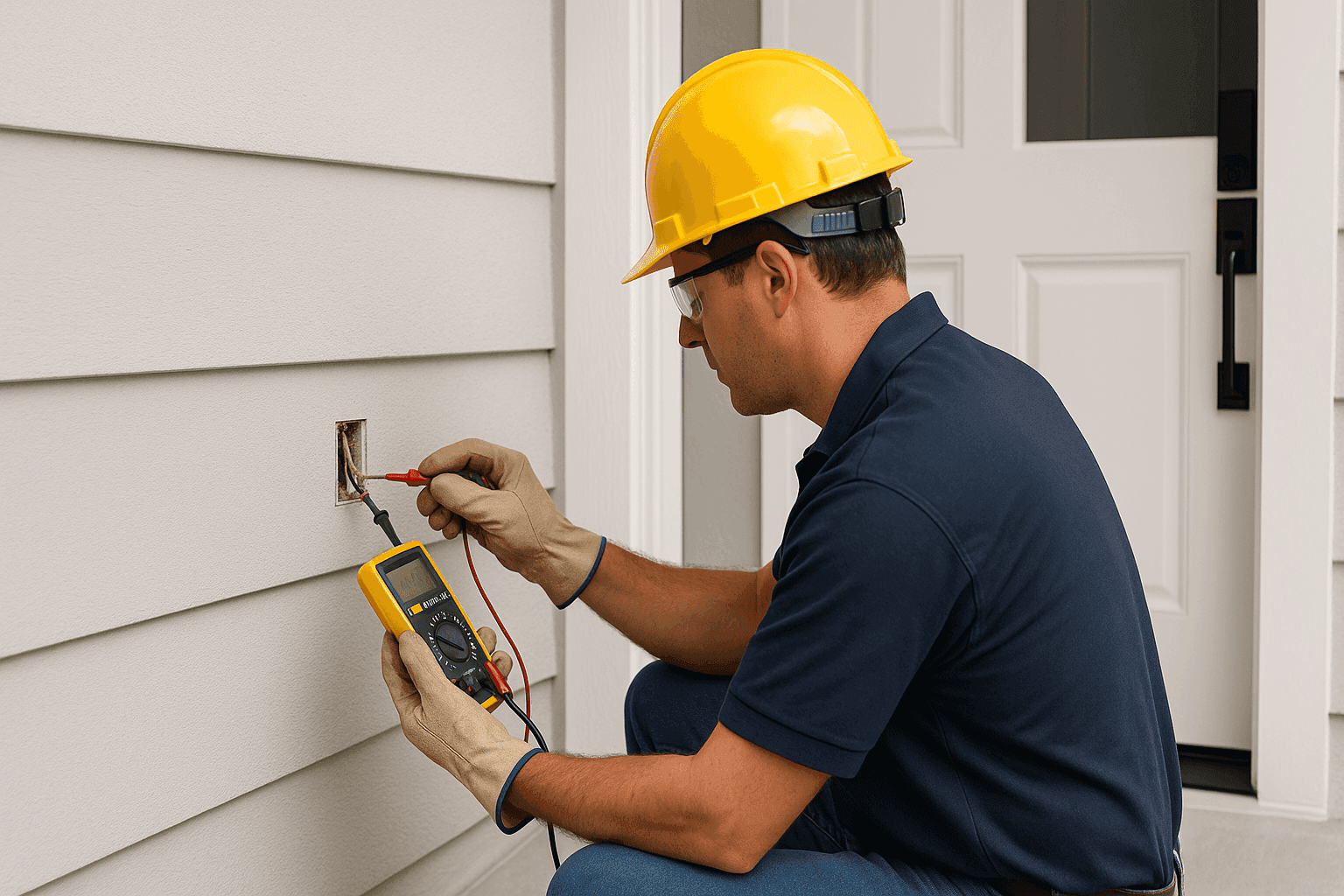
A silent doorbell. It’s a tiny issue—until you’re waiting on an important delivery, or guests are left knocking with no answer. Doorbells are part of our daily routine, but when they stop working, it can feel like your home’s handshake is broken.
At Heintz Electric, we understand how frustrating this can be. Whether you’re handy or just want to know what’s going on, a few simple checks can help. But with electrical issues, safety always comes first.
Doorbell Basics
Think of a doorbell as a relay race. The runner (electricity) starts at your electrical panel, passes the baton (current) through the transformer, races to the button, and finally finishes at the chime or speaker inside. If any runner stumbles—wires, transformer, button, or chime—the whole process fails.
Most doorbells share these basic parts:
- Button (mounted by your door)
- Chime or bell (inside your house)
- Transformer (reduces voltage for safety)
- Wiring (links all the pieces together)
Understanding this lets you follow the race and spot where things might have tripped up.
Quick Safety Checklist ⚡
Electricity deserves respect. Before you open anything up:
- Turn off the power to the doorbell circuit at your breaker panel.
- Double-check with a non-contact voltage tester to ensure wires aren’t live.
- Wear dry gloves and shoes, and avoid any wet areas.
- If you’re ever unsure, stop and call an electrician.
The National Electrical Code (NEC) and Consumer Product Safety Commission both stress: safety first, always.
Common Doorbell Problems
Why do doorbells quit? Here are the top culprits:
- Dead or stuck button: Years of use or weather exposure take their toll.
- Faulty transformer: If it fails, power won’t reach your doorbell.
- Loose or broken wires: Age, pests, or renovations can disrupt connections.
- Defective chime unit: Mechanical or electronic chimes eventually wear out.
- Blown fuse or tripped breaker: Sometimes the fix is as simple as the panel.
Troubleshooting Steps
Let’s walk through checks you can do safely. Keep your tools handy: a Phillips screwdriver, a multimeter, and a flashlight.
1. Inspect the Button
Remove the doorbell button from the wall. Look for:
- Frayed wires or corrosion
- Dirt or debris inside the button
Press the button with the cover off. If nothing happens and the wires look damaged, this could be your issue.
2. Check the Chime
Next, open the chime unit inside your home:
- Are the wires loose or disconnected?
- Does the unit show signs of burning or melting?
Try pressing the doorbell again while watching the chime mechanism. If you hear a faint buzz but no ring, the chime may need replacing.
3. Test the Transformer
The transformer is usually mounted near your electrical panel. Carefully check:
- Is it warm to the touch? (That’s normal.)
- Any buzzing or humming?
- Measure voltage with a multimeter—it should read between 16–24 volts.
No voltage? The transformer may be dead or the power supply disrupted.
4. Look for Wiring Issues
Old wiring can break down. Gently tug each wire at the button, transformer, and chime. If any come loose or look brittle, you’ve found a likely culprit.
5. Reset Breakers and Replace Fuses
Check your breaker panel for a tripped breaker or blown fuse. Reset or replace as needed, then test the doorbell again.
DIY vs. When to Call a Pro
Some fixes are simple: cleaning contacts, tightening screws, or swapping a button. But if you’re facing:
- Rewiring
- Replacing a transformer
- Persistent electrical issues
It’s time to call in an electrician. Electrical System Installation near you should always be handled by someone who knows local code and safety guidelines.
What Pros Do On Arrival
When you call Heintz Electric, here’s what to expect:
- Safety inspection of all components
- Voltage and continuity testing
- Fault isolation (which part is failing)
- Recommendations for repair or replacement
We bring the right tools, spare parts, and knowledge—so you can get back to normal quickly.
Prevention & Maintenance
A little care keeps your doorbell running smoothly:
- Wipe the button and chime free of dust and debris every season.
- Check exposed wiring for signs of wear.
- If you’re planning renovations, let your electrician know about the doorbell system.
We often include doorbell checks as part of regular Fault Finding and electrical safety inspections.
Timeline & Disruption
Doorbell diagnostics usually take less than an hour for pros. Repairs might be as quick as five minutes (for a new button) or a bit longer if rewiring is needed. Either way, disruption is minimal—no major holes in the wall or extended downtime.
Materials and Equipment
Common repair parts:
- Replacement button (choose one rated for outdoor use)
- Low-voltage wire
- New transformer (if needed)
- Multimeter (for safe diagnosis)
Only use parts certified by recognized safety agencies. For more, see recommendations from Underwriters Laboratories (UL).
Common Mistakes to Avoid
- Working with live wires.
- Swapping parts blindly without testing.
- Using the wrong voltage replacement transformer.
- Taping wires rather than using proper connectors.
Mistakes can cause bigger problems—like short circuits or fire hazards.
Signs You Need an Electrician
- Burning smell or melted plastic at the chime or transformer
- Sparks or visible arcing when pressing the button
- Breakers that trip every time you test the doorbell
- Old, cloth-insulated wiring
If you notice any of these, don’t wait. Electrical issues can escalate quickly.
Costs & Time Factors
A simple button swap or wire tightening is often inexpensive and quick. Installing new wiring or a transformer takes more time and skill. Investing in safe, professional work pays off with lasting reliability.
When It’s an Emergency
While a silent doorbell isn’t urgent, electrical smells, visible sparks, or repeated breaker trips are. For those, call for emergency service—never risk your safety.
Heintz Electric offers 24-hour support for urgent electrical problems, including doorbell and intercom repairs.
Frequently Asked Questions
Q: Can I use a wireless doorbell as a quick fix?
A: Yes, but if you have existing wiring or plan to sell your home, fixing the hardwired system is usually best.
Q: Does my doorbell need an inspection during a home safety check?
A: Absolutely. Faulty doorbells can signal wiring issues elsewhere.
Q: Can you help in my area?
A: If you’re in Caldwell, our electrician services are available for fast, friendly help.
A working doorbell is more than a convenience—it’s part of your home’s welcome. For stubborn issues or safe, professional repairs, Heintz Electric is here to help.
Call Heintz Electric now — or reach us anytime at 877-315-8745 .