How to Troubleshoot a Non-Working Appliance Outlet
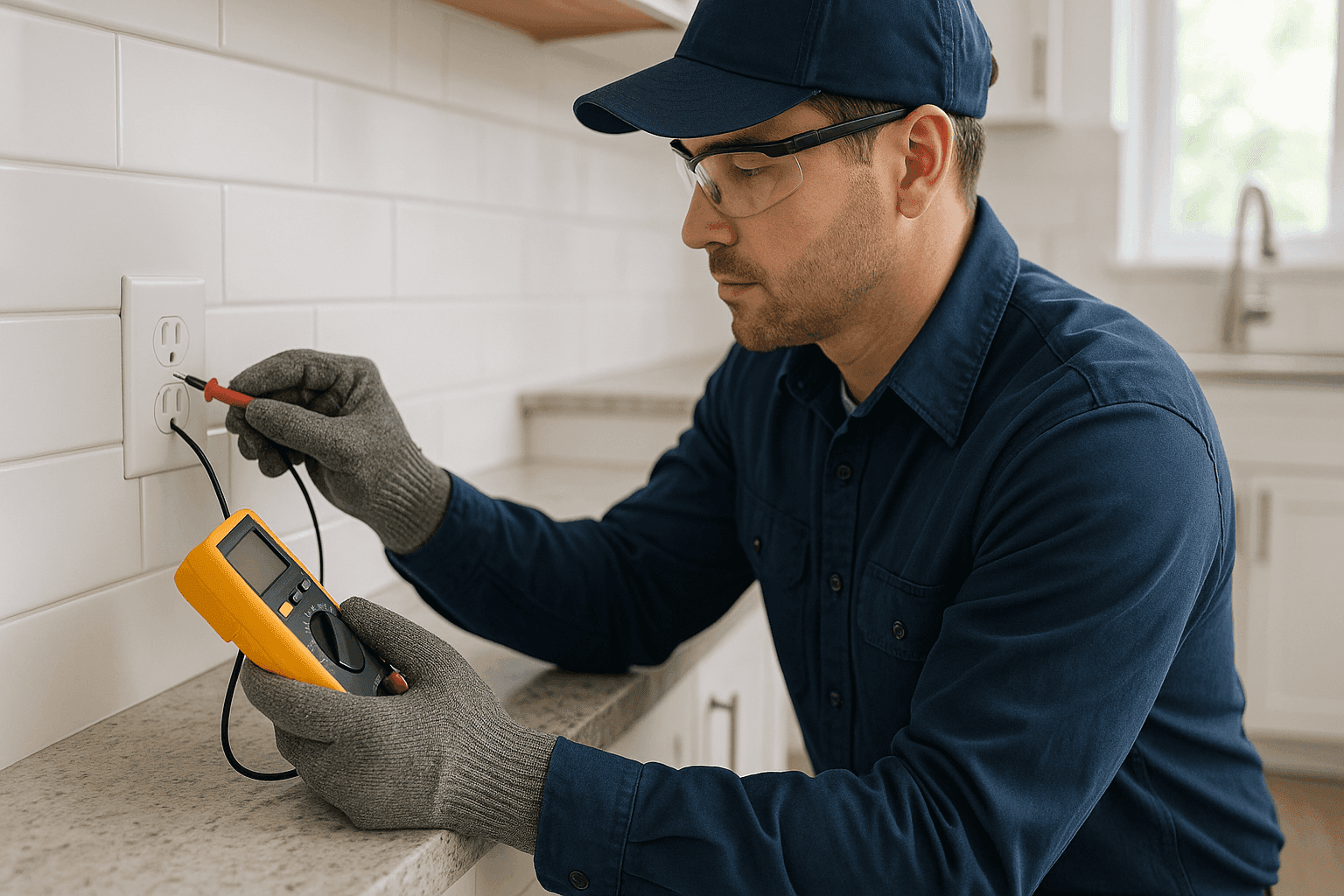
Does your toaster, fridge, or coffee maker sit silent, no matter what you try? Appliance outlets have a way of quitting at the worst possible time. Maybe you just made a grocery run and now your fridge isn’t running, or your microwave won’t turn on just as dinner’s about to start. It’s frustrating—and, sometimes, a little worrying.
At Heintz Electric, we know how vital working outlets are for comfort and safety. Let’s walk through why outlets fail, what you can check safely, and when to pick up the phone for help.
Common Causes of Appliance Outlet Failure ⚡
Outlets aren't just simple plug-and-play points. They're the last stop on a complex electrical journey. When one stops working, there are a few usual suspects:
- Tripped GFCI Outlets: Kitchens, bathrooms, and laundry rooms often have Ground Fault Circuit Interrupter (GFCI) outlets. They’re safety devices that “trip” if they sense a problem.
- Circuit Breaker Tripped: If too much current flows, your breaker does its job and shuts off power to prevent hazards.
- Loose or Damaged Wiring: Behind your walls, wires can loosen, corrode, or get damaged over time, breaking the connection.
- Faulty Outlet or Switch: Outlets and switches wear out, especially with frequent use or heavy loads.
- Blown Fuse (Older Homes): If your panel uses fuses instead of breakers, a blown fuse will cut power.
- Overloaded Circuits: Plugging too many appliances into one circuit can overload it, triggering a shutdown.
- Appliance Fault: Sometimes, the outlet is fine—the appliance itself has a problem.
Quick Safety Checklist Before You Do Anything
Electricity is powerful—treat it with respect. Before you start troubleshooting:
- Unplug all appliances from the affected outlet.
- Don’t touch wires or open outlet covers if you’re not sure what you’re doing.
- Dry hands only. Never work with electricity if things are wet.
- If you smell burning or see scorch marks, stop immediately and call an electrician.
- If your breaker keeps tripping after reset, leave it off and call for help.
DIY Checks: What You Can Safely Try
You don’t need to be a professional to take a few safe first steps. Think of this as detective work—start simple, then move deeper if needed.
1. Check Other Outlets
Plug your appliance into a different outlet. If it works there, the problem is with the original outlet—not the appliance.
2. Look for a Tripped GFCI
- Find all GFCI outlets nearby. They’re the ones with “Reset” and “Test” buttons.
- Press the “Reset” button firmly. If you hear a click and power returns, you’ve solved it.
3. Inspect the Circuit Breaker Panel
- Open your panel (usually in the garage, utility room, or basement).
- Look for breakers that are switched OFF or stuck in the middle.
- Flip tripped breakers fully OFF, then back ON. If they trip again, stop—this signals a bigger issue.
4. Check for Loose Plugs or Burn Marks
- Inspect the outlet. Is it loose? Are there black marks or a burnt smell?
- If yes, don’t use it. These are signs of overheating or damage.
5. Test with a Simple Device
- Try a lamp or phone charger—something you know works.
- Still nothing? The issue is likely with the outlet or circuit.
When to Call a Pro
Some jobs are best left to those with the right tools and know-how. Call an electrician if:
- You see burn marks, melting, or smell burning plastic.
- The outlet is physically broken, cracked, or loose.
- Breakers keep tripping, or fuses keep blowing.
- You find any exposed wiring.
- Your GFCI outlet won’t reset, or trips instantly.
- Multiple outlets are dead at once.
- You have aluminum wiring (common in older homes).
- Moisture or water is present near the outlet.
- You’re unsure about anything you see or hear.
Remember: electricity is invisible, but its risks are very real. According to the National Fire Protection Association (NFPA), electrical failures remain a top cause of house fires. Never risk your safety for a quick fix.
What a Professional Electrician Does on Arrival
When you call Heintz Electric, here’s what happens next:
- We listen to your description and ask a few clarifying questions.
- Our technician will safely de-energize the circuit, remove the outlet cover, and inspect wiring and connections.
- We use voltage testers and specialized equipment to trace the problem.
- If we find corroded wires, loose screws, or damage, we’ll repair or replace as needed.
- For persistent or widespread issues, we check your panel, grounding, and overall system health.
- We test everything before we leave, making sure your outlet is safe and reliable.
Our licensed electricians follow the National Electrical Code (NEC) for all installations and repairs.
Prevention & Maintenance: Keeping Outlets Working Longer
A little prevention goes a long way. Here’s how to reduce the odds of future outlet failures:
- Don’t overload outlets with multiple adapters or power strips.
- Replace older outlets with new, code-compliant models. Consider tamper-resistant outlets for safety.
- Schedule regular Outlets & Switches for peace of mind.
- Test GFCI outlets monthly by pressing the “Test” button (per manufacturer instructions).
- Immediately address outlets that feel warm, buzz, or spark.
Signs of Outlet Trouble You Shouldn’t Ignore 🚨
Sometimes, your outlet is trying to tell you something. Watch for these red flags:
- Outlets that spark when you plug or unplug.
- Warm or hot faceplates.
- Flickering appliances.
- Outlets that don’t hold plugs snugly.
- Repeated breaker trips after using the outlet.
Treat these as immediate signals to seek help.
Common Mistakes Homeowners Make
- Ignoring warning signs: Hoping it “fixes itself” can lead to bigger risks.
- Using extension cords as a fix: This can overload other outlets and create new hazards.
- DIY repairs without knowledge: Swapping wires around without understanding the system can be dangerous.
- Not turning off the breaker before opening an outlet: Always de-energize first.
Costs & Time Factors
Most single-outlet repairs are quick for a pro—often under an hour if parts are on hand. Costs vary depending on the cause (replacing a GFCI is different from full rewiring). For a precise estimate, a licensed electrician needs to see the actual situation.
When It’s an Emergency
If you see smoke, smell burning, or hear popping from the outlet or panel, this is an emergency. Shut off power at the breaker (if safe), leave the area, and call for immediate help.
Heintz Electric offers Outlets & Switches for situations like these. Never wait if you suspect a fire risk.
Timeline & Disruption: What to Expect
Most simple outlet repairs can be completed in under an hour. For deeper wiring or panel issues, allow for several hours—especially if drywall needs to be opened and repaired. Your electrician will keep you informed every step of the way.
Materials & Equipment Pros Use
- Voltage testers and multimeters for safe diagnostics
- Insulated screwdrivers and outlet testers
- Replacement outlets, GFCIs, or wiring (as needed)
- NEC-compliant materials for lasting safety
Electrical System Installation Near You
If your home needs more than a quick outlet fix—say, new kitchen circuits, modern GFCIs, or a full Outlets & Switches—we’re ready. Upgrading old wiring or adding new outlets can make your home safer and more functional.
Seasonal Considerations
Holiday decorations, portable heaters, and air conditioners put extra strain on outlets. Always check for signs of wear and avoid daisy-chaining extension cords. Schedule a check-up before high-use seasons.
FAQ: Your Outlet Troubleshooting Questions
Q: My outlet works sometimes, then stops. Why?
A: Intermittent power suggests a loose wire or failing outlet—call an electrician.
Q: Can I replace an outlet myself?
A: If you’re comfortable, turn off the breaker and follow NEC guidelines. When in doubt, call a pro.
Q: Is it safe to use an adapter to “fix” a dead outlet?
A: No—adapters can overload other outlets. Fix the root cause instead.
Looking for Reliable Electrician Help?
A faulty outlet is more than an inconvenience—it’s a safety issue. Whether you need a quick repair or a full upgrade, Heintz Electric is ready to help. If you’re in the area and searching for a trusted electrician company, check out our electrician services in Maple Valley for local support.
Call Heintz Electric now — or reach us anytime at 877-315-8745 .