How to Troubleshoot Power Loss in Part of Your Home
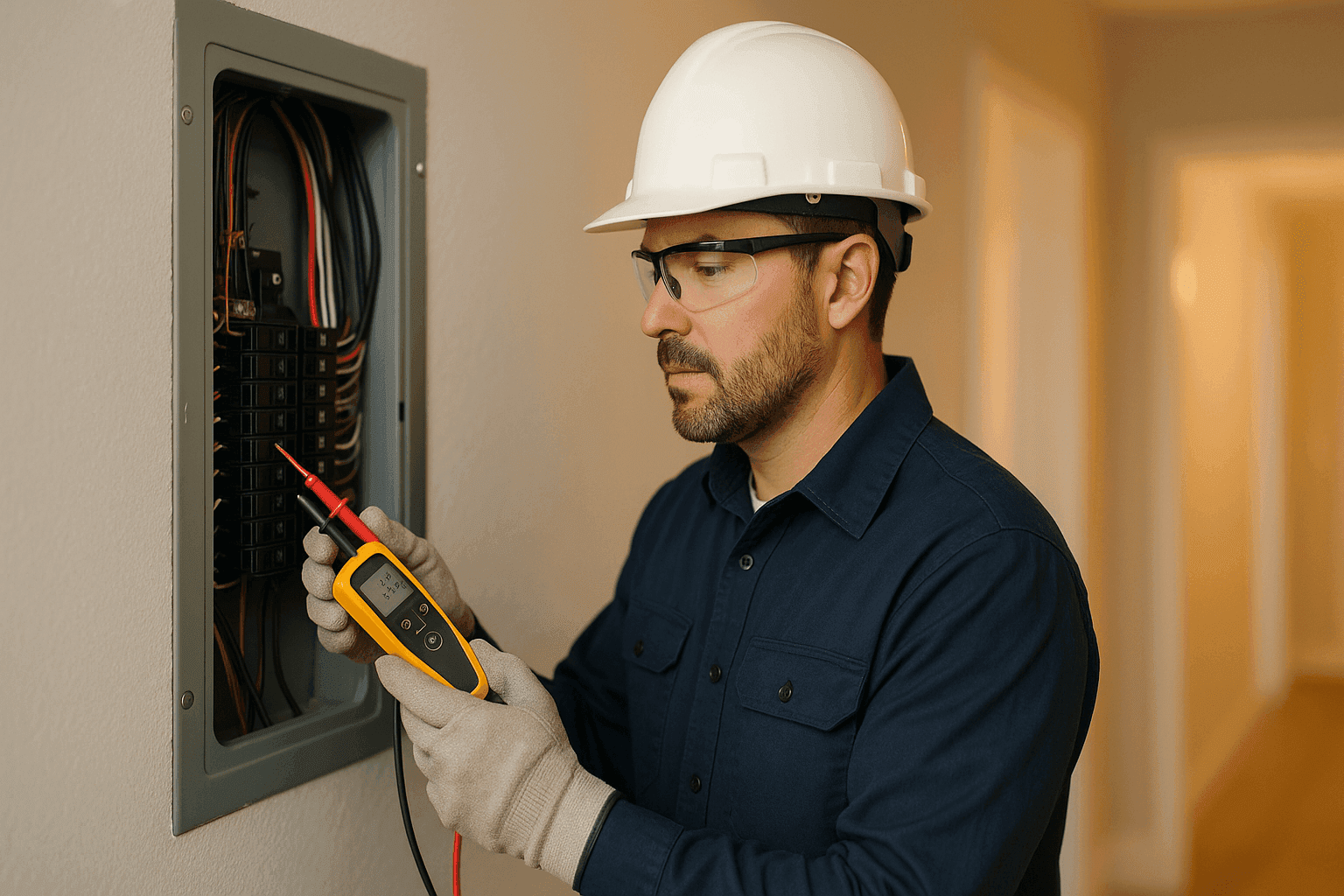
Are you staring at a dark room while the rest of your house glows? Power loss in just one part of your home can throw life off balance—right as dinner’s cooking or the kids are doing homework. At Heintz Electric, we know how frustrating and worrying this can be. Getting the lights and outlets back on safely is priority one.
Every home’s wiring is a maze. Sometimes, a single wrong turn—a tripped breaker or a loose wire—can cut power to parts of your living space. Knowing what to check, and when to call for help, can keep you safe and get life back to normal.
Why Power Loss Happens ⚡
Electrical systems are a bit like the veins in your home, quietly moving energy everywhere you need it. When part of your home goes dark, the cause is usually one of a handful of culprits:
- Tripped Circuit Breakers: The most common reason. Breakers shut off power if they sense trouble.
- Blown Fuses: Older homes may still use fuses, which "pop" when overloaded.
- Loose Connections: Wires can wiggle loose over time, especially in outlets and switches.
- Faulty Wiring: Damage or age can make wires unreliable.
- GFCI or AFCI Trips: These safety devices protect you—but can also shut down specific outlets or rooms.
- Overloaded Circuits: Plugging in too much at once can overwhelm your system.
According to the National Electrical Code (NEC), homes must be wired to handle normal loads—but years of changes, repairs, and new appliances can stretch even the best setup thin.
Quick Safety Checklist Before You Touch Anything
Safety first, always. Electricity is powerful—never take risks.
- Turn off lights and unplug devices in affected areas.
- Check for burning smells or warm outlets—signs of a serious issue.
- Never touch wires or open panels if you feel unsure.
- Use a flashlight, not candles, for light.
- If you see smoke or sparks, call emergency services immediately.
Signs It’s a Simple Fix (and When It Might Not Be)
Sometimes, the cause is as obvious as a breaker in the OFF position. Other times? The problem hides deeper.
Likely Simple:
- Only one room or outlet is out.
- No buzzing, popping, or burning smell.
- Everything worked until you plugged in a new device.
Likely Complicated:
- Multiple rooms are out, or lights flicker oddly.
- You notice discoloration or warmth at outlets or switches.
- Resetting the breaker doesn’t work—it trips again instantly.
DIY Checks: What You Can Safely Try
Before reaching for the phone, there are a few things any homeowner can check:
1. Check Your Circuit Breaker Panel
- Open your electrical panel and scan for switches in the "middle" or "off" position.
- Flip any suspect breaker fully off, then back on with a firm motion.
- If you have fuses, look for a glass window that's blackened or broken.
2. Look for GFCI Outlets
- Kitchens, bathrooms, and garages often have these outlets with "Reset" and "Test" buttons.
- Press “Reset” on each one—even if it doesn't look tripped. One tripped GFCI can cut power to more than one outlet.
3. Unplug Problem Devices
- If the power went out just after turning on an appliance, unplug it before resetting breakers.
- Some faulty appliances can trip circuits repeatedly.
4. Test Other Outlets
- Use a small lamp or phone charger to see which outlets work and which don’t.
- This helps pinpoint if the problem is isolated or spreading.
When to Call a Pro
If your DIY checks don’t restore power, it’s time for skilled hands. Electrical problems can escalate quickly.
- Breakers trip repeatedly.
- You smell burning or see scorch marks.
- Outlets or switches feel hot.
- You hear buzzing or popping.
- Lights flicker even after a reset.
Professional electricians have insulated tools, experience with complex wiring, and follow the NEC for safety. They can safely open panels, test circuits, and trace faults that aren’t visible.
If you’re in need of reliable Fault Finding or Wiring & Circuits support, Heintz Electric is just a call away.
What the Electrician Will Do On Arrival
Expect a thorough, step-by-step approach:
- Visual Inspection: Checking panels, outlets, and switches.
- Test Equipment: Using voltage testers, circuit tracers, and insulation meters.
- Tracing the Circuit: Finding where power is lost and why.
- Repair or Replace: Fixing loose wires, faulty outlets, or damaged breakers.
- Safety Check: Verifying the fix, so it doesn’t happen again.
Prevention & Maintenance Tips
- Don’t overload outlets. Spread out high-draw items like heaters and microwaves.
- Schedule regular safety checks—especially in older homes.
- Replace damaged cords and don’t use extension cords as permanent solutions.
- Upgrade old panels if you still have fuses or outdated breakers.
The U.S. Consumer Product Safety Commission (CPSC) recommends annual inspections for homes over 40 years old, or after major renovations.
Common Mistakes to Avoid
- Ignoring frequent breaker trips. These are warning signs.
- Forcing a breaker to stay ON. This can cause dangerous overheating.
- Using wet hands or standing on damp floors while checking panels.
- Relying on “DIY fixes” from the internet that bypass safety codes.
Timeline & Disruption: What to Expect
Most minor power loss issues can be resolved within an hour once diagnosed. Larger problems, like rewiring or replacing panels, can take longer and may require temporary power shutoff.
Heintz Electric works efficiently, keeping disruption to a minimum and ensuring all repairs meet code.
Costs & Time Factors
- Simple breaker resets: Quick and low cost.
- Replacing outlets/switches: Moderate, depending on access.
- Tracing hidden wiring or major repairs: More time and cost due to complexity.
Always ask for an upfront estimate and a written summary of work performed.
When It’s an Emergency
- Smoke, sparks, or burning smells: Leave the area and call 911.
- Total loss of power: Call your utility company first to rule out a neighborhood outage.
- Any sign of melted wires or panels: Do not touch—this is a fire hazard.
Seasonal Considerations
- Storms and lightning: Surge protection can help defend your home from sudden outages.
- Holiday lights: Extra loads can trip breakers—spread them across multiple circuits.
- High summer or winter use: Air conditioners and space heaters demand a lot of power.
FAQ: Power Loss in Part of Your House
Q: Why did only part of my house lose power?
A: Most homes have multiple circuits; one can trip while others stay on.
Q: Is it safe to reset the breaker?
A: Yes, if there’s no sign of damage, burning, or water. If unsure, stop and call a professional.
Q: Can I fix a loose outlet myself?
A: Only if you know how to shut off power at the panel and have the right tools. When in doubt, call an electrician.
Q: How do I know if I need new wiring?
A: Frequent outages, flickering lights, and old cloth-wrapped wires are signs it’s time for an upgrade. See our Wiring & Circuits page for more.
Final Word: Stay Safe, Stay Powered
Power loss in part of your home doesn’t have to be a mystery—or a major headache. Start with smart, safe checks. If the fix isn’t obvious or the problem keeps coming back, call in the professionals. Heintz Electric brings decades of experience and a commitment to safe, code-compliant repairs for every home.
Call Heintz Electric now — or reach us anytime at 877-315-8745 .