Understanding Electrical Panels & Breakers: A Homeowner’s Guide
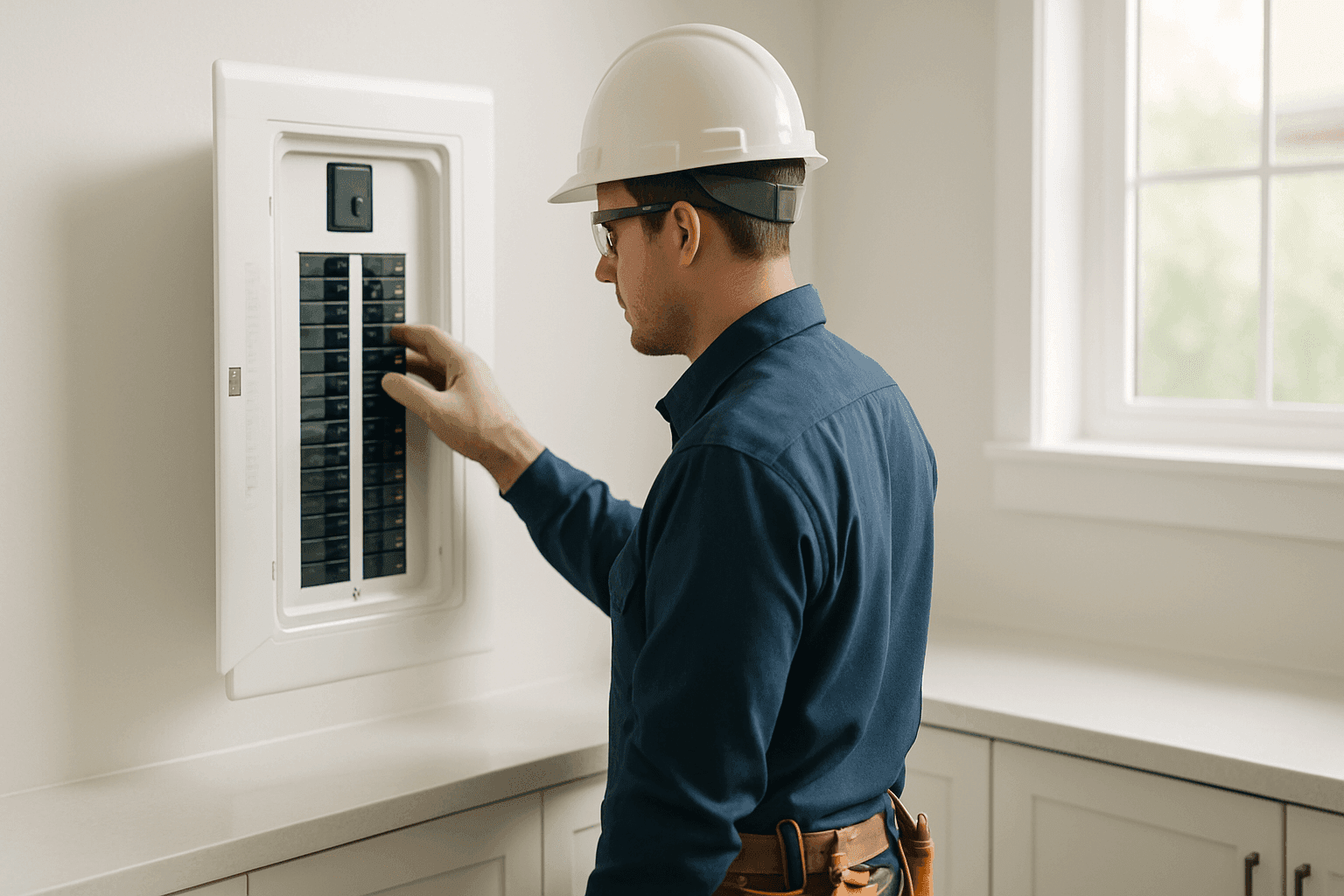
Power In, Power Out: The Heart of Your Home’s Electrical System
When you flip a light switch or plug in your phone, you rarely stop to think about what’s happening behind the walls. But at the center of it all is the electrical panel—your home's command center for safe, reliable power. If you’ve ever wondered how your home stays safe from electrical overloads or why some outlets suddenly stop working, you’re in the right place.
Electrical panels and breakers aren’t just for electricians. Understanding them helps keep your home running smoothly and your family safe.
What Is an Electrical Panel, Anyway?
Think of your electrical panel as the traffic controller for all the electricity entering your home. It takes power from the utility line and diverts it into smaller, manageable pathways—called circuits—throughout your house.
Each circuit has a job: lighting, appliances, outlets, even the pool pump. The panel makes sure nothing gets too crowded or overheated. If it does, the breaker steps in.
The Role of Circuit Breakers: Your Home’s Bodyguards
Every breaker inside the panel is like a sentry standing guard. When things are normal, power flows freely. If too much current tries to pass—maybe too many hair dryers at once—the breaker snaps off, stopping potential danger in its tracks.
That “tripped” breaker is protecting your home from fires and damaged wiring. It’s a small device with a huge responsibility.
Finding and Identifying Your Panel
Locating your panel is step one. In most homes, you’ll find it in the basement, garage, hallway, or utility closet. It’s a metal box, often gray, with a hinged door.
Open it, and you’ll see rows of switches—these are the breakers. Look for a main shutoff switch at the top or bottom. That’s the master control for your house.
Reading the Labels: What’s What?
Inside your panel, you’ll find a grid of breaker switches. Next to each switch should be a label—sometimes neatly handwritten, sometimes a mystery scribble from years ago.
- “Kitchen outlets”
- “Living room lights”
- “Dryer”
Take time to update these labels. A rainy night is not when you want to be guessing which switch controls the fridge.
Why Do Breakers Trip? Common Causes & Quick Fixes
Breakers trip for a reason. Usually, it means:
- Too many things plugged into one circuit (overload)
- A short circuit (wires touching in ways they shouldn’t)
- A ground fault (electricity escaping to the ground)
If a breaker trips, unplug what you can from that area. Head to the panel, find the switch in the “off” or middle position, and move it all the way off before snapping it back on.
If it trips again right away, stop. This isn’t a “try again” situation. Call a qualified electrician before things get worse.
Safety First: Precautions Before Touching the Panel ⚡
Panels aren’t playthings. Here’s how to stay safe:
- Always dry your hands before opening the panel.
- Stand on a dry surface, not a damp basement floor.
- Never open the panel’s inner cover—leave that to the pros.
- If you see scorch marks, hear buzzing, or smell burning plastic, step back and call for help.
The National Fire Protection Association (NFPA) and the National Electrical Code (NEC) both stress the importance of qualified handling when it comes to electrical panels.
How to Reset a Tripped Breaker (And When Not To)
Resetting a breaker is simple, but it’s important to do it right:
- Identify the tripped breaker—it will be in the middle or “off” position.
- Move it firmly to “off.”
- Then snap it fully to “on.”
If it trips again, don’t force it. Something’s wrong, and more force won’t fix it.
Outdated Panels: Signs It’s Time for an Upgrade
Homes age, and so do their electrical systems. Here’s what to watch for:
- Breakers trip often, even with little plugged in
- Fuses instead of breakers (a sign your system is decades old)
- Warm or buzzing panel cover
- Lights flicker when appliances run
- No room for new circuits
If any of these sound familiar, your panel may be overloaded or outdated. Upgrading isn’t just about convenience—it’s about safety and keeping up with today’s technology.
Overloaded Panels: What Happens When There’s Too Much Demand
Picture a freeway at rush hour. Too many cars, and everything slows—or worse, crashes. Your panel can only handle so much at once. Adding new appliances, EV chargers, or a home office? Sometimes, the old panel just can’t keep up.
That’s when you’ll need a new panel or an upgrade. Not sure what you need? A licensed electrician can assess your system and recommend safe solutions.
Electrical Code: Why Compliance Matters
Electrical codes exist for one reason: safety. The National Electrical Code (NEC) sets the standard for installation and repairs. Meeting code isn’t just a box to check—it protects your home, your insurance coverage, and your peace of mind.
All panel replacements and upgrades must meet NEC standards, and only a professional can provide the required safety certificates after installation.
Professional Installation: What to Expect
When you call for help, here’s what a professional electrician does:
- Inspects the panel for signs of wear, heat, or damage
- Tests breakers and wiring for safe operation
- Checks for code compliance and proper labeling
- Recommends repairs or upgrades if needed
You’ll get clear communication about what needs attention, how long it will take, and what it will cost. No surprises.
DIY vs. Call a Pro: Where to Draw the Line 🛑
Some things you can handle—resetting a breaker, reading labels, keeping the area clear. But anything beyond that, especially opening the panel’s interior, is a job for a licensed electrician.
Why? Because even with the main breaker off, parts of the panel may still be live. The risk isn’t worth it.
Maintenance & Prevention: Keep Your Panel in Top Shape
A little care goes a long way:
- Keep the panel easily accessible—no boxes or furniture in the way
- Check labels and update them when circuits change
- Schedule an annual safety check with a pro, especially if your home is over 20 years old
Regular maintenance can spot issues before they become emergencies.
Common Mistakes Homeowners Make
- Covering the panel with shelves or decorations
- Ignoring frequent breaker trips
- Letting labels wear off or fade
- Trying to add new circuits or breakers without experience
Simple habits help keep your home safer.
When It’s an Emergency
Some problems can’t wait:
- You smell burning or see scorch marks near the panel
- Breakers won’t reset at all
- Water leaks or humidity near the panel
These are urgent. Power down if safe, then contact an electrician immediately.
FAQ: Electrical Panels & Breakers
How often should I have my panel checked?
Every few years, or any time you renovate, add major appliances, or notice problems.
Can I add a new breaker myself?
It’s not recommended—incorrect installation can risk fire, injury, or insurance issues.
Is my old fuse box safe?
Fuse boxes can be outdated and may not meet current codes. It’s best to consult an electrician about upgrades.
Upgrading Your Panel: What’s Involved?
Upgrading a panel is a major project. It includes:
- Removing the old panel safely
- Installing a new, code-compliant panel
- Connecting all circuits and grounding
- Testing everything for safe operation
- Filing required permits and paperwork
The process can take a few hours to a full day, depending on the complexity. Disruptions are usually minimal, but you’ll need to be without power during the work.
Cost Factors: What to Expect
Panel upgrades vary in price:
- Panel size (amperage)
- Number of circuits
- Home’s age and wiring condition
- Location and accessibility
A licensed electrician will provide a clear estimate after inspection.
Local Help for Panels & Breakers
If you’re looking for Panels & Breakers service, upgrades, or an assessment, Heintz Electric is ready to help. We’re here for everything from quick troubleshooting to full Electrical System Installation.
Take Charge of Your Home’s Power
Understanding your electrical panel and breakers gives you peace of mind—and helps you spot problems before they become emergencies. When in doubt, don’t risk it. Our licensed electricians are always just a call away for maintenance, upgrades, or emergency service.
Call Heintz Electric now — or reach us anytime at 877-315-8745 .