Understanding Panels & Breakers: The Heart of Your Home’s Power
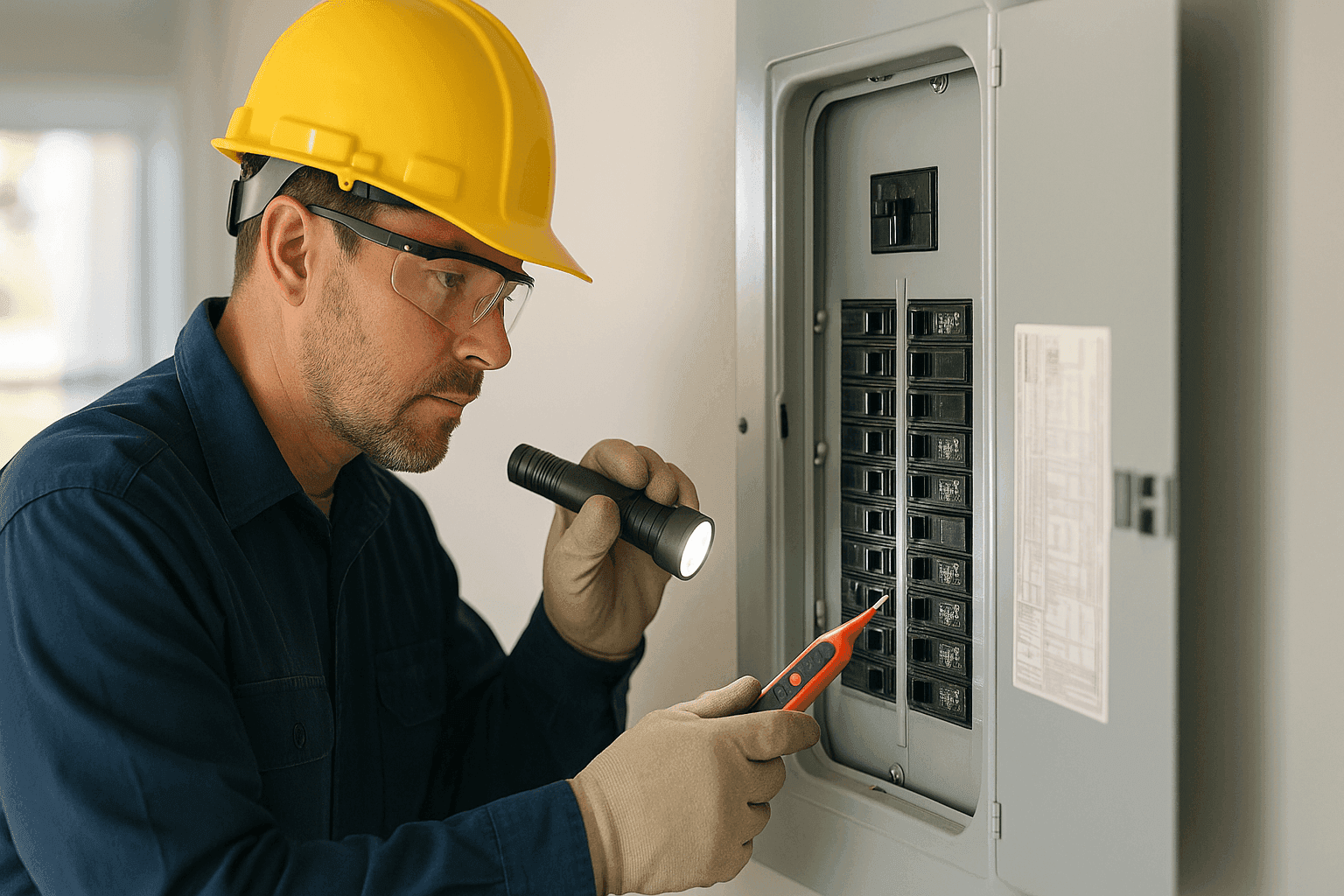
Is your house suddenly darker than usual? Did the microwave stop mid-pop? You’re not alone. Every home relies on panels and breakers to keep the lights on and your family safe. At Heintz Electric, we know how overwhelming electrical issues can feel—but a little knowledge goes a long way.
Panels and breakers are the silent guardians of your home’s power. Understanding them isn’t just for electricians; it’s for anyone who wants their home to be safe, efficient, and ready for modern living.
What is a Panel? ⚡
Think of your electrical panel as your home’s heart. Just as arteries carry blood throughout your body, the panel sends power to every room, appliance, and outlet. It’s the central hub where electricity from the utility company enters and gets distributed.
- Location: Usually found in basements, garages, or utility rooms.
- Function: Distributes electricity through circuits, each protected by its own breaker.
- Capacity: Measured in amps; older panels may be undersized for today’s devices.
If your panel is outdated or overloaded, it’s like trying to pump a river through a garden hose—eventually, something gives.
Breaker Types: Small Switches, Big Responsibilities
Breakers are the “safety valves” inside your panel. They stop dangerous currents before damage can occur. Here’s a quick rundown on the most common types:
- Standard Single-Pole Breakers: Protect most lighting and outlet circuits.
- Double-Pole Breakers: Handle large appliances—think ovens, dryers, or central AC.
- GFCI Breakers: Shield kitchens, bathrooms, and damp spaces from shocks.
- AFCI Breakers: Detect dangerous arc faults (often required in bedrooms by code).
- Specialty Breakers: For pools, spas, or sensitive electronics.
Each breaker is designed for a specific job. Using the wrong one? It’s like plugging a fire hose into a kitchen sink—too much or too little protection can be risky.
How Panels & Breakers Distribute Power
Picture your home’s power as a tree. The trunk is the main service line, the panel is the base, and each branch is a circuit feeding outlets, lights, or appliances. When you flip a switch or plug in a device, energy flows through a breaker and into that branch.
- If a branch draws too much power (like plugging in too many space heaters), the breaker “trips”—cutting off power and preventing wires from overheating.
- This system keeps your home safe from fires, equipment damage, and electrical hazards.
Why Panels Matter for Modern Homes
A panel installed decades ago was never meant to handle today’s demands—think smart TVs, home automation, EV chargers, or powerful kitchen gadgets. If your panel is old or outmatched, you might notice:
- Frequent breaker trips
- Flickering lights
- Warm breaker switches
- Buzzing or clicking from the panel
- Limited outlets or “double-tapped” breakers
Don’t ignore these signs. An overworked panel is like an engine running on empty—it won’t end well.
Quick Safety Checklist for Homeowners
Before you open your panel or fiddle with breakers, remember: safety first.
- Stand on a dry surface and wear rubber-soled shoes.
- Keep hands dry—never work with wet hands.
- Look for signs of trouble: burnt smells, scorched marks, or loose covers.
- Never force a breaker to reset if it keeps tripping.
- Call a licensed electrician for anything beyond flipping a breaker.
When in doubt, don’t risk it. Electricity isn’t forgiving.
DIY vs. Call a Pro: Where’s the Line?
Changing a lightbulb? Go for it. Resetting a breaker? That’s usually safe. But replacing breakers, rewiring circuits, or upgrading panels? Those jobs are for a qualified electrician.
Why? Mistakes can cause fires, shocks, or void your home insurance. The National Electrical Code (NEC) sets strict rules for a reason—your safety.
If you’re searching for "Electrical System Installation near you," always check credentials and reviews.
What Electricians Do On Arrival
When you call a professional, here’s what you can expect:
- Visual inspection of your panel and breakers
- Testing for hot spots and loose connections
- Checking circuit loads with professional tools
- Reviewing panel capacity and code compliance
- Clear recommendations for repairs or upgrades
You’ll get answers, not guesswork.
Prevention & Maintenance: Keep Trouble at Bay
Just like you’d service your furnace or clean gutters, electrical panels need attention too.
- Schedule routine safety checks—especially if your home is over 20 years old.
- Test GFCI and AFCI breakers monthly.
- Label all circuits clearly inside the panel.
- Never block access to your panel; quick entry saves precious seconds in an emergency.
A little prevention now means fewer headaches later.
Costs & Time Factors: What to Expect
Panel upgrades or breaker replacements aren’t everyday expenses—but they’re investments in your home’s safety. Factors include:
- Panel size and number of circuits
- Type of breakers needed
- Age and condition of wiring
- Permit and inspection requirements
A straightforward breaker replacement may take under an hour. Panel upgrades can take a full day or more. Reliable electricians will outline costs up front.
When It’s an Emergency
Some electrical issues can’t wait.
- Smell burning or see smoke? Get out and call 911.
- Repeated breaker tripping with no clear cause? Shut off the main breaker and call for help.
- Buzzing or sparking at the panel? That’s a red flag for immediate service.
If you’re in the area, see our Panels & Breakers solutions for urgent help.
Common Mistakes Homeowners Make
- Overloading outlets with extension cords or power strips
- Ignoring tripped breakers by constantly resetting them
- Skipping routine inspections (out of sight, out of mind)
- DIY panel work without training—never a safe shortcut
If you’re unsure, always consult a licensed electrician company before touching your panel.
Signs Your Panel Needs an Upgrade
- Panel is over 25 years old
- Frequent breaker trips or fuses blowing
- Rust, corrosion, or visible damage
- Home renovations or adding major appliances
- No room for new breakers
Upgrading isn’t just about power—it’s about peace of mind.
Timeline & Disruption: What’s Involved?
Most panel upgrades or major breaker replacements will take several hours to a full day. Expect the power to be off during the work. A good electrician will coordinate with your local utility and handle permits, so you’re not left in the dark longer than necessary.
Materials & Equipment Used
- UL-listed panels and breakers for safety
- Properly rated wires and connectors
- Labeling and identification tools
- Insulated hand tools and safety gear
- Voltage testers and diagnostic equipment
Only the right tools and certified parts should touch your panel.
Troubleshooting Tips for Homeowners 🛠️
Not all electrical problems mean disaster. Here’s what to try before you call for help:
-
If a breaker trips:
- Unplug recent additions or heavy appliances.
- Reset the breaker by flipping it fully off, then on.
- If it trips again immediately, stop and call a pro.
-
If outlets lose power:
- Check nearby GFCI outlets (they may have tripped).
- Test other circuits; note if it’s isolated or widespread.
-
If you notice flickering lights:
- Tighten bulbs and check for loose plugs.
- If the issue persists, it could be a wiring or panel problem.
Regular panel maintenance can help avoid these problems. For more on upgrades, see our Electrical System Installation and Panels & Breakers service pages.
FAQ: Panels & Breakers
Q: How often should my panel be checked?
A: Every 3–5 years for homes under 20 years old; more often if older or you’ve added new appliances.
Q: Are fuses still safe?
A: Fuses work, but modern breaker panels offer better protection and convenience.
Q: Can I upgrade my panel myself?
A: Panel work should always be done by a licensed electrician contractor—local codes and safety are critical.
Q: What’s the lifespan of a breaker?
A: Most last 30–40 years, but heavy use or damage can shorten this.
Seasonal Considerations: Storms, Heat, & Heavy Use
Summer’s AC units, winter heaters, and spring storms all put extra pressure on your panel and breakers. After major weather events, check for:
- Water leaks near the panel
- Breakers that trip during storms
- Unusual noises or smells
Don’t risk it—schedule an inspection if you spot anything off.
Electrical Safety Inspections: The Gold Standard
No two homes are identical. Unique wiring, remodeling history, and electrical loads make every panel different. A professional safety inspection covers:
- Proper breaker sizing
- Panel grounding and bonding
- Code compliance (per NEC and state/local rules)
- Smoke and carbon monoxide detector wiring
For local needs, you can always find reliable electrician services with Heintz Electric.
Your home deserves the best protection. For anything from breaker troubleshooting to a full panel upgrade, Heintz Electric is ready to help.
Call Heintz Electric now — or reach us anytime at 877-315-8745 .