When to Call an Emergency Electrician: Warning Signs & What to Expect
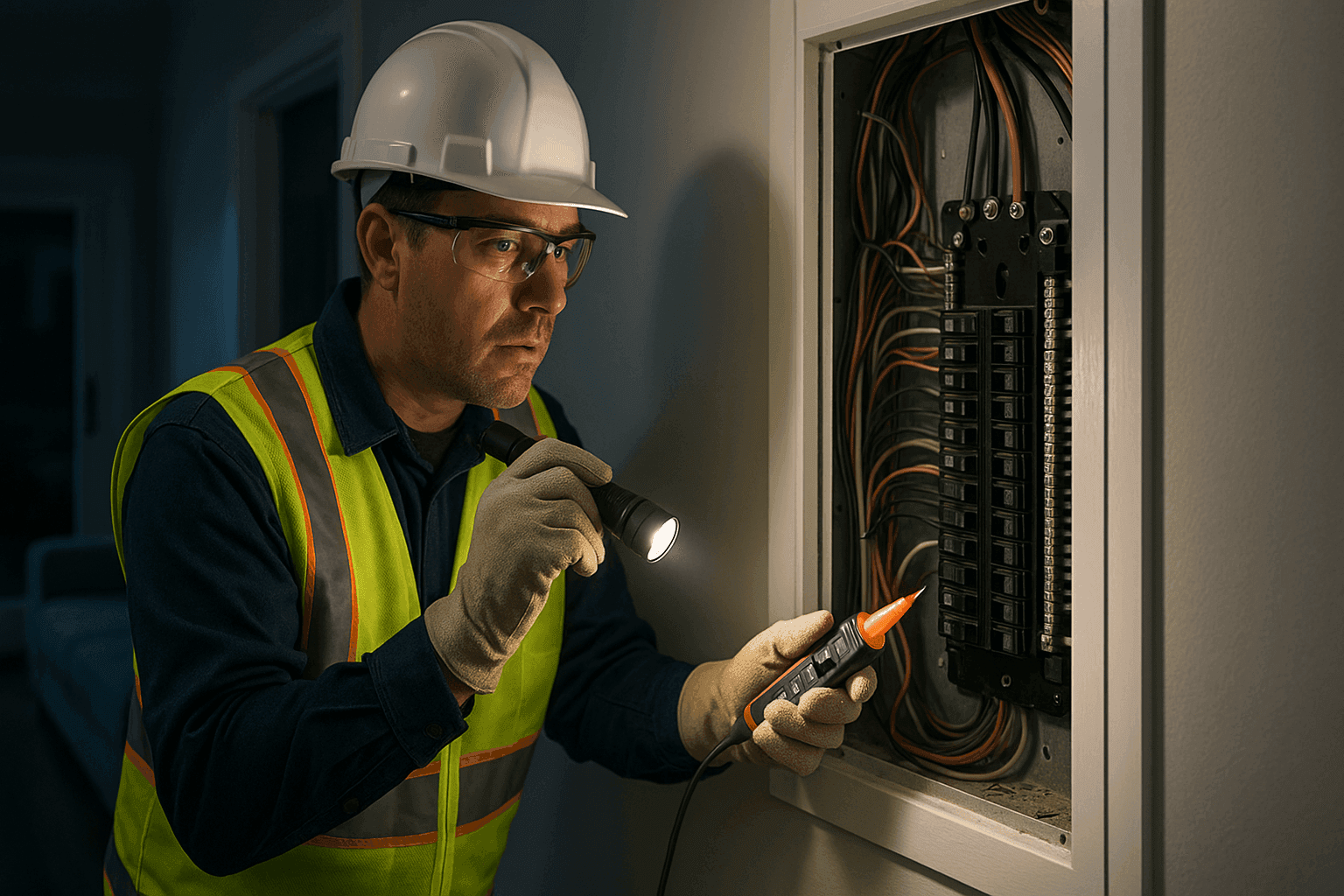
Electricity is the silent heartbeat of your home. Most days, you barely notice it. But when things go wrong—really wrong—every second feels like an hour. At Heintz Electric, we know the panic that comes with a sparking outlet or a sudden blackout. It’s unsettling. It’s urgent. And it’s exactly when you need a certified electrician who moves fast, treats your home with respect, and knows how to restore safety.
Let’s make sure you know the warning signs, what steps to take, and how a true emergency response works. Because when it comes to electricity, hesitation can mean danger.
Red Flags: Electrical Emergencies You Should Never Ignore ⚡
Some problems can’t wait. Here are the most urgent signs you need an emergency electrician—fast:
- Sparking Outlets or Panels
Even a single visible spark can mean a hidden short or a fire risk. - Burning Smell (or Smoke)
If it smells like burnt plastic or rubber, shut off power if safe and call immediately. - Power Outage (Not a Utility Issue)
If your home is the only one on the block in the dark, something’s wrong inside. - Flooded Areas Near Wiring
Water and electricity never mix. This is a top-tier emergency. - Buzzing, Popping, or Crackling Noises
Wires and switches should be silent. Strange sounds can mean loose connections or overheating. - Shocks or Tingling From Appliances
That “tingle” isn’t just static—it’s a warning your system may be unsafe. - Tripped Breakers That Won’t Reset
If breakers keep tripping, don’t force them. This points to a deeper issue. - Lights Flickering Rapidly
Rapid flickers aren’t just annoying—they may signal circuit or wiring problems.
If you see, smell, or feel any of these, don’t wait. Your home’s safety—and yours—could depend on it.
Quick Safety Checklist: What To Do First
Time is critical. Here’s how to stay safe while help is on the way:
- Don’t Touch
If you see sparks, smoke, or water near electrical points, keep clear. - Shut Off Power
If safe, turn off the main breaker. Never wade into water to do this. - Evacuate If Needed
If there’s fire, heavy smoke, or flooding, get everyone out and call 911. - Unplug Devices
Only if it’s safe—never reach through water or past smoke. - Call an Emergency Electrician
Give clear details: what happened, any smells, sounds, or visible hazards.
Remember: Safety comes first. Don’t risk your life for your property.
DIY or Call a Pro? Knowing Your Limits
It’s tempting to “just check” what’s wrong. But electricity isn’t forgiving. A single misstep can mean injury or worse.
- Never open electrical panels or junction boxes yourself during an emergency.
- Don’t try to reset breakers repeatedly.
- Avoid using extension cords as a workaround for failed outlets.
For anything beyond flipping a breaker or unplugging a device, call a licensed electrician. As the National Fire Protection Association (NFPA) says, electrical fires and shocks are real risks—even for seasoned DIYers.
The Emergency Call: What Happens When You Reach Out
You’ve made the call. What next?
- You’ll Be Asked for Key Details
We’ll want to know what you saw, heard, or smelled. Are there visible sparks? Is anyone hurt? Is the area safe to enter? - Rapid Dispatch
Heintz Electric’s emergency team is on call 24/7, ready for anything from a blackout to a sizzling outlet. - Certified, Insured Arrival
Our electricians show up with ID, full safety gear, and the right equipment for urgent troubleshooting.
You’re not just another job. We treat every emergency with the gravity it deserves.
What Pros Do When They Arrive 👷
Here’s what a trained emergency electrician does when they step into your home:
- Assess Immediate Dangers
Is there fire, smoke, or live current? We’ll secure the area first. - Shut Down Power Safely
If it’s not already off, we do it—using insulated tools and strict safety procedures. - Diagnose the Problem
Using meters and years of know-how, we find the root cause quickly. - Make Temporary or Permanent Repairs
Some issues need a fast fix to keep you safe, with follow-up work scheduled if needed. - Explain What Happened
We’ll walk you through what went wrong, what was fixed, and what to watch for.
Our goal: restore safety, fast—and leave you with peace of mind.
When Is It Really an Emergency?
Not every flicker is a crisis. So, when should you make the call?
- If there’s any risk of fire, shock, or flooding, it’s an emergency.
- If you smell burning, hear loud pops, or see smoke—don’t wait.
- If you lose power in just your home and can’t find an obvious cause, call in.
Better to be cautious. Electrical hazards escalate quickly, and the safest move is to call an emergency electrician.
Top 5 Mistakes to Avoid in an Electrical Crisis
- Ignoring Warning Signs
That burning smell or flickering light isn’t “just the house settling.” - Using Workarounds
Extension cords and power strips are not solutions for faulty wiring. - Resetting Tripped Breakers Over and Over
This can overheat wires and make things worse. - Getting Wet Near Outlets or Panels
Water conducts electricity—never approach. - Delaying the Call
Minutes matter. Fast action can prevent bigger damage.
How to Prepare for the Electrician’s Arrival
Help us help you:
- Clear Pathways: Make sure there’s access to the main panel and affected areas.
- Keep Pets and Kids Away: Electrical work is no place for distractions.
- Write Down What Happened: Even small details can help us diagnose faster.
- Have Your Address Ready: Sounds simple, but in a panic, it’s easy to forget.
And if you’re in Pittsburgh, you can always find reliable 24 Hour Service whenever you need it.
What Should You Expect? Timeline and Disruption
- Arrival: For true emergencies, a licensed electrician should arrive as quickly as possible—usually within an hour.
- Assessment: First 10–20 minutes are all about safety and diagnosis.
- Repair: Minor issues may be fixed on the spot; bigger problems might require temporary repairs for safety, with a follow-up visit arranged.
- Power Off: Depending on the situation, parts of your home may be without power while repairs are underway.
- Cleanup: We leave the area safe and free of hazards before we go.
Costs & Time: What Factors In?
Emergency calls typically cost more than routine visits—think of it like urgent care for your electrical system. Factors include:
- Time of day (nights and weekends are premium)
- Severity and location of the problem
- Materials or parts needed on the spot
- Duration of work required
Rest assured, your safety is the top priority. We’ll always explain the issue and costs before proceeding.
Prevention: How to Avoid Future Emergencies
While some crises strike without warning, many can be avoided with regular care:
- Schedule Annual Safety Inspections: Catch hidden issues before they spark trouble.
- Upgrade Old Wiring: Especially in homes built before 1980.
- Install Surge Protection: Protect appliances and sensitive electronics.
- Keep Water Away from Outlets: Especially in kitchens, baths, and basements.
- Test Smoke and Carbon Monoxide Detectors: Replace batteries twice a year.
See our emergency-service or 24-hour-service pages for services that keep your home protected.
What About Floods, Storms, and Seasonal Risks? 🌩
Spring thaws, heavy rains, and even summer heat waves can all push your electrical system to the edge:
- After a flood, never turn on power until a licensed electrician inspects your system.
- Install backup generators for peace of mind in storm season.
- Trim trees near power lines to prevent storm damage.
The Electrical Safety Foundation International (ESFI) and local building codes (like the National Electrical Code) recommend proactive checks ahead of major weather events.
Frequently Asked Questions
Is it safe to reset a tripped breaker?
If it trips once, it’s usually safe to reset. If it trips again, stop. That’s a sign of a deeper issue needing professional attention.
Can I use my oven or stovetop as a heat source if the power is out?
Never. Gas or electric ovens aren’t built for space heating and can be a fire or carbon monoxide risk.
How do I know if it’s a utility company problem?
If your neighbors have lost power too, call your utility first. If it’s just your home, or you see smoke, sparks, or water near wiring, call an emergency electrician.
Electrical Emergencies Don’t Wait—Neither Should You
When the unexpected strikes, you need more than just quick fixes. You need a team that values safety, clarity, and professionalism. Heintz Electric is here for your peace of mind—24 hours a day, 7 days a week.
Call Heintz Electric now — or reach us anytime at 877-315-8745 .