Why Your Outlets Aren’t Working: Common Causes & Fixes
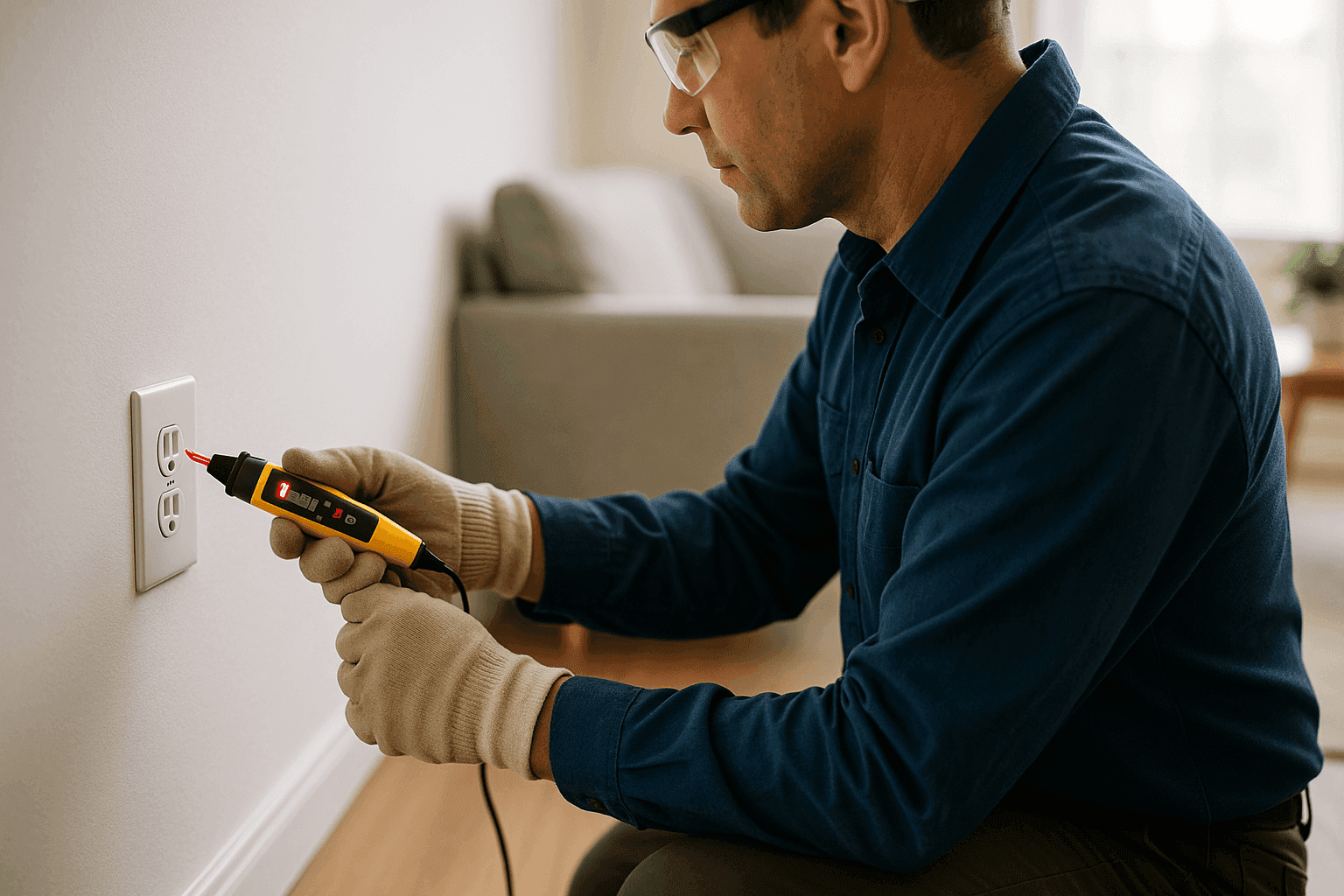
It’s happened to almost everyone. You plug in your phone, lamp, or coffee maker and—nothing. Silence. No light, no power, just the stubborn stillness of an outlet refusing to do its job. It’s frustrating, especially when you count on electricity for nearly everything at home.
At Heintz Electric, we understand how disruptive a dead outlet can be. Whether it’s one stubborn plug or a string of them, our electricians have seen it all and know what it takes to get things humming again. Let’s walk through the most common causes, simple troubleshooting tips, and when it’s safest to call in the professionals.
Common Causes of Outlet Problems ⚡
Outlets aren’t complicated, but they’re not immune to trouble. Like the links in a chain, every part of your electrical system needs to work together. A weak link can break the flow.
Here are the usual suspects:
- Tripped GFCI Outlets: Outlets with “Test” and “Reset” buttons (Ground Fault Circuit Interrupters) may shut off automatically to protect you from shock—especially in kitchens, bathrooms, or garages.
- Blown Circuit Breakers: If you’ve plugged in a power-hungry appliance, it might have tripped the breaker, cutting power to a whole section of outlets.
- Loose or Damaged Wiring: Wires behind the outlet can loosen over time, especially in older homes. This can lead to intermittent power or complete failure.
- Worn Outlets: Years of plugging and unplugging can wear out the internal contacts—if your plug falls out easily, the outlet might be to blame.
- Faulty Connections in the Panel: Sometimes the issue is further up the line—a bad connection in your electrical panel or breaker box.
- Burnt Outlets: If you notice burn marks or a plastic smell, there could be a serious wiring issue behind the wall.
- Backstabbed Wiring: Some outlets have wires pushed into spring-loaded holes instead of wrapped around screws. Over time, these can come loose.
Quick Safety Checklist Before You Start
Safety first, always. Electricity isn’t the place for guesswork.
- Never touch outlets with wet hands.
- If you smell burning, see sparks, or the outlet is hot, stop and call an electrician immediately.
- Turn off the power at the breaker before inspecting outlets.
- If you’re unsure, don’t risk it—help is a call away.
The National Fire Protection Association (NFPA) recommends regular electrical safety inspections, especially if your home is more than 40 years old or you’ve added major appliances.
DIY Checks: What You Can Try
You don’t need a toolbox full of gadgets to do some basic troubleshooting—just patience and a little care.
1. Check Other Outlets
First, see if it’s just one outlet or several. Plug a working lamp into different outlets. If more than one is dead, it could be a breaker or wiring issue.
2. Inspect GFCI Outlets
Look for nearby GFCI outlets (the ones with “Test” and “Reset” buttons). Press “Reset.” Sometimes, one GFCI controls several outlets in a room—even those that don’t look like GFCIs.
3. Peek at the Breaker Panel
Open your electrical panel and look for tripped breakers. They’re usually in the middle position. Flip the switch fully off and back on.
4. Look for Obvious Damage
If you see scorch marks, melted plastic, or smell burning, stop. This is no time for DIY. Call an electrician.
5. Test with a Simple Device
A lamp or phone charger can confirm if an outlet is dead. Avoid using high-powered appliances for this test.
DIY Fixes: What’s Safe (and What’s Not)
Some things are safe for handy homeowners. Others are best left to those with the right training.
Safe:
- Resetting a tripped GFCI outlet.
- Flipping a breaker back on.
- Replacing a blown fuse (if you have a fuse box).
- Removing and re-plugging devices.
Not Safe:
- Removing outlets or switches from the wall.
- Messing with wiring or panels.
- Ignoring signs of burning or melting.
If you’re ever in doubt, it’s better to call for help.
When to Call a Pro
There’s a point where DIY ends and a trained electrician steps in. Not just for your safety, but to protect your home.
Call Heintz Electric if:
- Outlets are hot, buzzing, or sparking.
- You reset the breaker or GFCI and it trips again.
- More than one outlet or a whole room is dead.
- There are signs of burning, melting, or unusual smells.
- You’ve lost power after a storm or water leak.
- You have older wiring (like knob-and-tube or aluminum).
Our electricians use professional equipment for fault-finding and repairs, ensuring everything’s up to the latest National Electrical Code standards.
What the Electrician Will Do On Arrival
When you call Heintz Electric, here’s what to expect:
- Thorough Safety Inspection: We check outlets, wiring, and your electrical panel.
- Testing and Diagnosis: Specialized tools find hidden faults without guesswork.
- Clear Explanation: We’ll explain the issue in plain language—no jargon or surprises.
- Safe, Lasting Repairs: Whether it’s a worn outlet, loose wire, or breaker issue, repairs meet all code requirements.
- Documentation: If you need safety certificates or paperwork for insurance, we’ve got you covered.
Signs Your Outlets Need Replacing
Outlets don’t last forever. Look for these signs:
- Plugs fall out or feel loose.
- Faceplate is cracked or discolored.
- You notice frequent tripping or flickering.
- Outlets are warm or make buzzing noises.
- Two-prong outlets (no ground)—these are outdated and less safe.
Upgrading your outlets often means upgrading your safety. Modern options include USB charging, tamper-resistant designs, and smart outlets for home automation.
Prevention & Maintenance Tips
A little care goes a long way. Here’s how to keep outlets working their best:
- Don’t overload outlets with power strips or adapters.
- Unplug high-draw appliances when not in use.
- Schedule regular electrical safety inspections, especially in older homes.
- Replace damaged cords and plugs right away.
- Have a professional check your system after water leaks or renovations.
For peace of mind and smooth operation, consider Outlets & Switches when adding new outlets or circuits.
When Is It an Emergency?
Some outlet issues can’t wait. Call immediately if:
- There’s smoke, sparks, or fire.
- Outlets are melting or charring.
- You lose power to medical devices or essential appliances.
- Water has come into contact with outlets or wiring.
Don’t wait—these situations can quickly become dangerous.
Common Mistakes Homeowners Make
- Ignoring flickering or warm outlets—these are warning signs.
- Using extension cords as permanent wiring.
- Covering outlets or cords with rugs or furniture.
- DIY repairs beyond simple resets—this can void insurance or lead to injury.
When in doubt, always play it safe.
Frequently Asked Questions
Why did all the outlets in one room stop working?
This usually points to a tripped breaker, a tripped GFCI, or a wiring problem in the circuit.
Is it dangerous if an outlet isn’t working?
It can be, especially if you notice heat, noise, or burning smells. Faulty outlets are a common cause of home electrical fires (per the U.S. Fire Administration).
Can I upgrade old two-prong outlets myself?
Upgrading to grounded outlets should be done by a licensed electrician. Proper grounding is crucial for safety.
How often should outlets be checked?
At least every 5–10 years, or after major events like renovations, water damage, or if your home is over 40 years old.
Timeline & Disruption: What to Expect
Most outlet repairs take less than an hour—if wiring or panel work is needed, it could take longer. Our electricians work efficiently, keeping disruption to a minimum. We always clean up after ourselves, so your home looks just as you left it.
Materials & Equipment Pros Use
- Voltage testers and multimeters
- Insulated screwdrivers
- Professional-grade outlets and wiring
- GFCI and AFCI testers
All work is done to code, using materials approved by the National Electrical Manufacturers Association (NEMA).
Seasonal Considerations
Winter often brings more power-hungry devices—heaters, lights, and more. Summer storms can knock out power or cause surges. Keep an eye on your outlets during these times, and call for a checkup if you spot anything unusual.
How to Choose the Right Electrician
Look for a licensed, insured electrician who communicates clearly and puts safety first. At Heintz Electric, we’re proud to be the electrician families trust for safe, reliable repairs.
Ready for Reliable Outlets?
When outlets stop working, it’s more than an inconvenience—it’s a safety issue. Heintz Electric is here to help, whether you need quick troubleshooting or lasting repairs.
Call Heintz Electric now — or reach us anytime at 877-315-8745 .