Wiring & Circuits 101: Basics for Homeowners
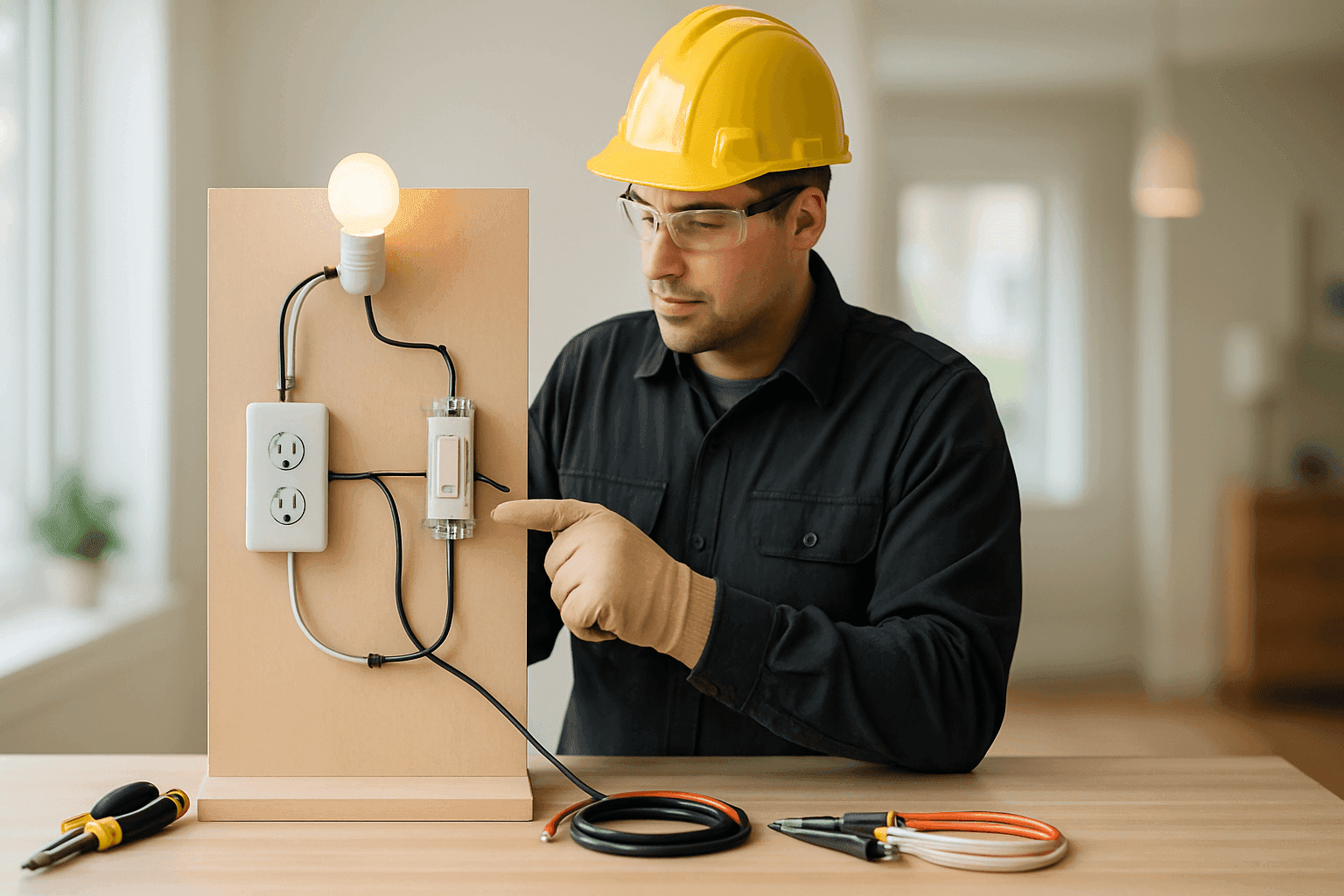
Are you a homeowner who’s ever stared at a maze of wires and wondered what’s really going on behind your walls? You’re not alone. Wiring and circuits can seem mysterious, but understanding the basics can help you keep your home safe, spot trouble early, and know when it’s time to bring in a professional.
At Heintz Electric, we’ve seen it all—from flickering lights to overloaded panels. Let’s break down wiring and circuits so they make sense, even if you’ve never touched a screwdriver.
How Circuits Work ⚡
Think of a circuit like a racetrack for electricity. Power leaves the starting line (your electrical panel), zooms through the wires, hits every “pit stop” (outlets, switches, appliances), and then returns to the panel. If the track is broken or blocked, nothing moves.
A basic home circuit includes:
- Power source: Usually your main electrical panel.
- Conductors: Wires that carry electricity.
- Load: Anything that uses electricity—lights, outlets, appliances.
- Control: Switches or breakers that turn things on and off.
- Protection: Fuses or circuit breakers that stop the flow if there’s too much current (like a safety net for your racetrack).
When everything works, you flip a switch and the lights come on. If there’s a break or overload, the system shuts down to protect your home.
Wiring Materials: What’s in Your Walls?
Home wiring isn’t just random metal spaghetti. Electricians follow strict rules (like the National Electrical Code) and use specific materials:
- Copper wire: Most common, great conductor.
- Aluminum wire: Sometimes used in older homes, but can expand and contract—leading to loose connections.
- Plastic (PVC) or metal conduit: Protects wires from damage.
- Insulation: Keeps the current inside the wire and you safe.
If you live in an older house, you might have knob-and-tube or cloth-covered wiring. These systems are outdated and can be risky. Modern wiring is safer, more efficient, and supports today’s high-powered devices.
Common Issues Homeowners See
Wiring problems often start small. Here’s what to watch for:
- Flickering or dimming lights.
- Outlets that feel warm or look discolored.
- A burning smell near outlets or panels.
- Frequent tripped breakers or blown fuses.
- Buzzing sounds from switches or fixtures.
These are red flags. Don’t ignore them—small issues can grow into big hazards fast.
Quick Safety Checklist Before You Touch Anything
- Always turn off power at the breaker before investigating.
- Use a voltage tester to double-check wires are dead.
- Never work on electrical systems in wet conditions.
- Don’t use metal ladders near wires.
- If you’re unsure, stop. Safety comes first.
The Electrical Safety Foundation International (ESFI) recommends never attempting repairs beyond your skill level.
DIY vs. Call a Pro
Changing a lightbulb or resetting a breaker? Go for it. But most wiring and circuit work is best left to a licensed electrician. Why?
- Electrical codes change often.
- Mistakes can cause fires, shocks, or expensive damage.
- Insurance may not cover DIY electrical accidents.
If you’re adding new circuits, upgrading panels, or replacing old wiring, always call for professional help. For Wiring & Circuits, it’s not worth the risk.
What Pros Do On Arrival
When you call an electrician, here’s what happens:
- Inspection: We check panels, outlets, and wiring for trouble spots.
- Testing: Using specialized tools, we find hidden faults safely.
- Diagnosis: We explain the issue in clear language, no jargon.
- Repair/Upgrade: Using approved materials and methods.
- Safety check: Ensuring everything meets code before we leave.
Prevention & Maintenance Tips
Keep your wiring healthy with these habits:
- Don’t overload outlets or extension cords.
- Replace damaged cords and plugs immediately.
- Schedule regular electrical safety inspections.
- Test smoke and carbon monoxide detectors monthly.
- Keep electrical panels clear of clutter.
Regular checkups by a professional can prevent most issues before they become emergencies.
Costs & Time Factors
Electrical repair costs depend on the problem’s complexity. Simple fixes—like replacing a switch—are usually quick. Rewiring or panel upgrades take longer and cost more, but protect your home for years. Ask for an estimate up front and expect some disruption for bigger jobs.
When It’s an Emergency
If you see sparks, smell burning, or lose power to half your home, call for 24-hour emergency service. Don’t wait—these are signs of a serious problem that needs immediate attention.
FAQ: Homeowner Wiring Questions
Q: Why do my breakers keep tripping?
A: Usually, something is drawing too much power or you have a short circuit. Don’t keep resetting—find the cause.
Q: Can I add more outlets myself?
A: It’s possible, but mistakes are common and risky. Always check local codes or call an electrician.
Q: How often should wiring be checked?
A: Every few years, or right away if you have an older home or see warning signs.
Seasonal Considerations
- Winter: Heaters and holiday lights can overload circuits.
- Summer: Air conditioners draw major power—watch for tripped breakers.
- Storm season: Surge protection is crucial for sensitive electronics.
Common Mistakes to Avoid
- Using the wrong wire gauge for the job.
- Ignoring warning signs (like buzzing or flickering).
- Overusing extension cords.
- Skipping permits or inspections for major work.
Signs of Trouble
If you notice:
- Outlets sparking
- Switches not working
- Breakers that won’t reset
- Frequent bulb burnouts
…get help. These can be early warnings of serious electrical issues.
Timeline & Disruption
Small repairs may take less than an hour. Whole-house rewiring or Panels & Breakers upgrades can take several days. We’ll always explain the timeline and minimize disruption wherever possible.
Materials & Equipment Pros Use
- Voltage testers and circuit tracers.
- UL-listed wire and breakers.
- Insulated tools.
- Code-approved boxes and panels.
We never cut corners. Safety and quality always come first.
Troubleshooting Steps for Homeowners
- Identify which outlets or lights are affected.
- Check your breaker panel for tripped switches.
- Unplug devices and reset breakers.
- If the problem persists, call for help.
Never open a panel or junction box unless you know exactly what you’re doing.
Why Upgrades Matter
Modern homes demand more power for smart devices, EV chargers, and entertainment. Old wiring can’t keep up—and may be unsafe. Upgrading isn’t just about convenience. It’s about protecting your family and investment.
If you’re looking for an electrician who understands the unique needs of your home, Heintz Electric is here to help.
Final Thoughts
Understanding wiring and circuits helps you spot trouble early, ask better questions, and keep your home safe. For anything beyond the basics, let a licensed electrician handle it.
Call Heintz Electric now — or reach us anytime at 877-315-8745 .